
key cinematographer of the german expressionist movement, wagner worked most notable with directors f.w. murnau, g.w. pabst and fritz lang. wagner received his training from the academy of fine arts in paris, then went on to work at pathe film company as a clerk.
his most noteworthy contributions can be seen in murnau's nosferatu, pabst's die liebe der jeanne ney and die 3groschenoper, and lang's destiny, spione, m and das testament des dr. mabuse.
"but it was in the portrayal of horror that the camera of murnau and fritz arno wagner excelled" the haunted screen by lotte eisner
the influence of wagner's camera can seen notably in american film noir with its fascination with blackness (lack of light, the obsession with night), the visual influence and use of modernist architecture in film, and the persistent depiction and glorification of vice and sin.
das testament des dr. mabuse 1933
(d. fritz lang):


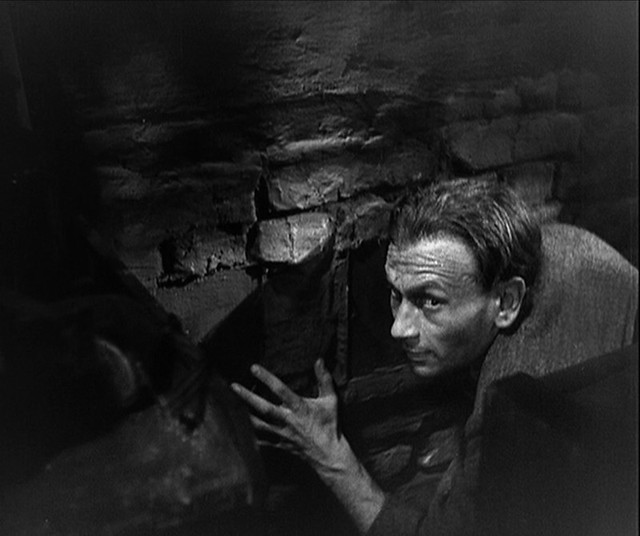
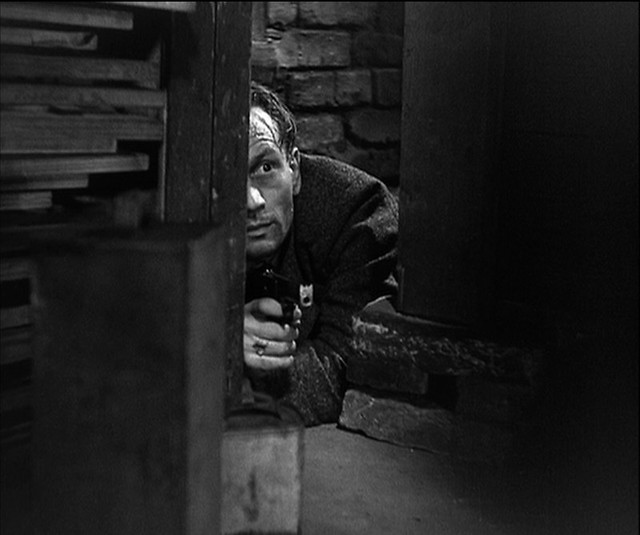
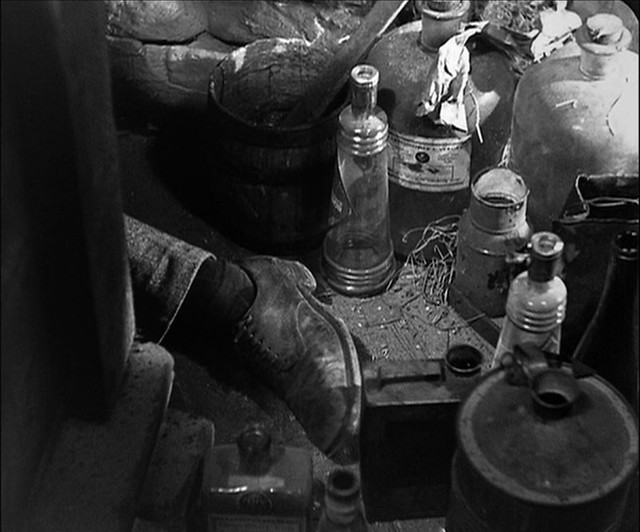
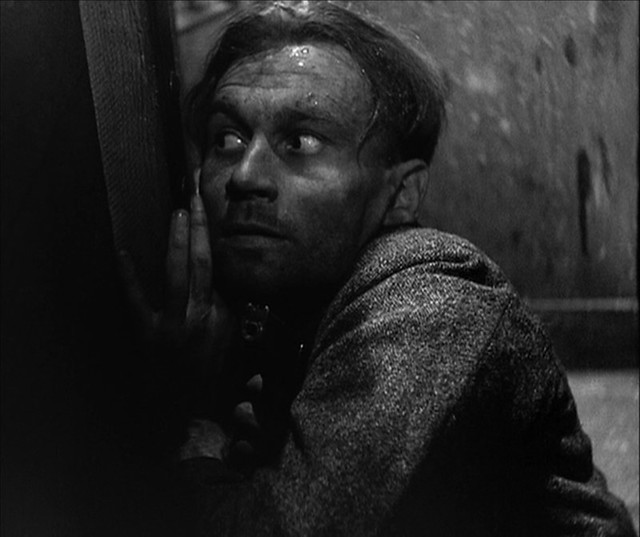
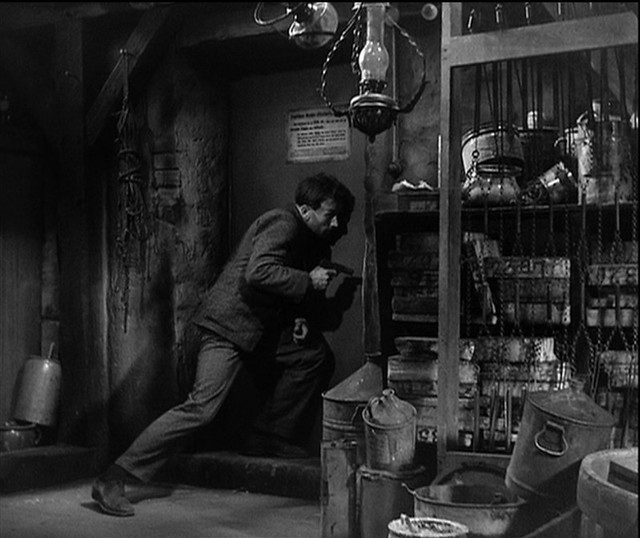
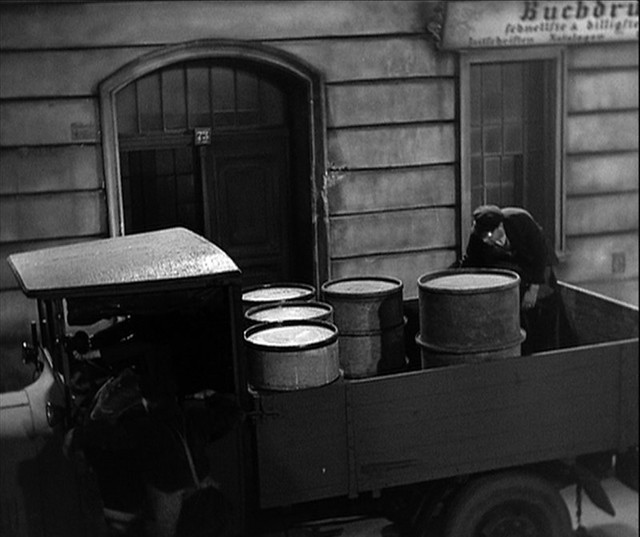
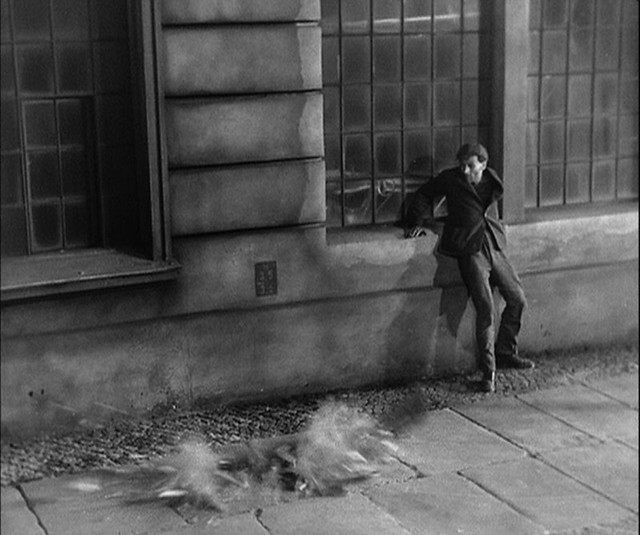
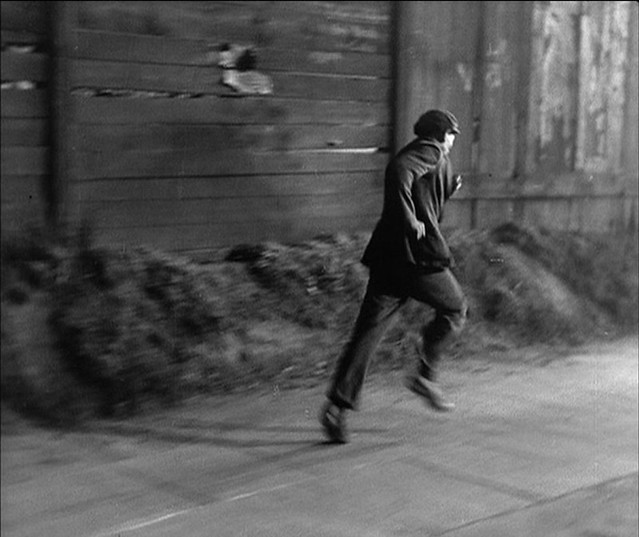
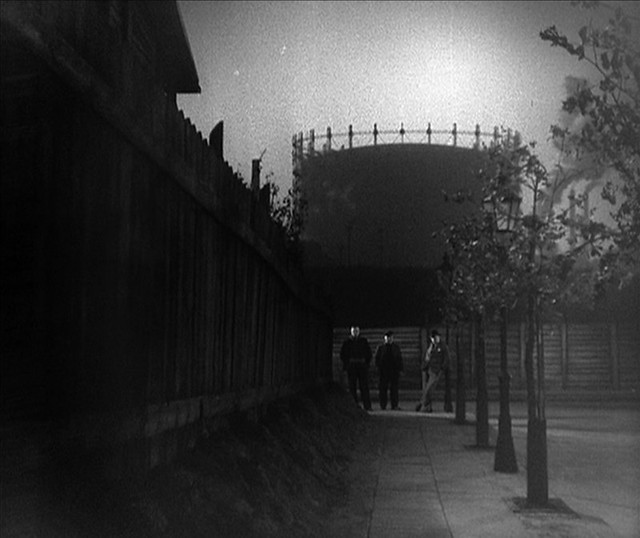
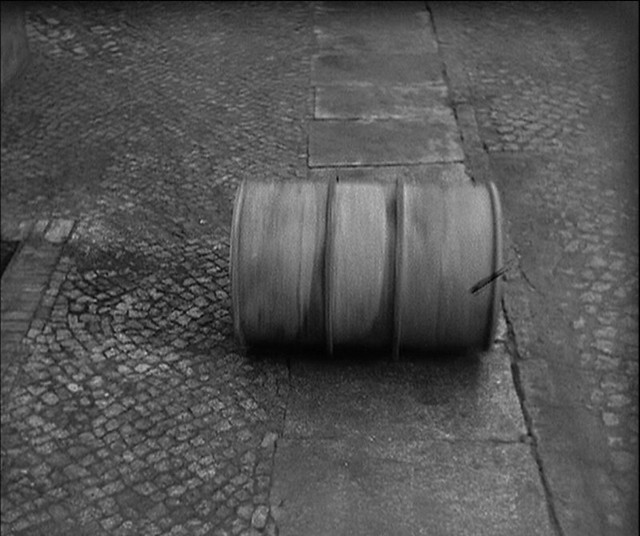
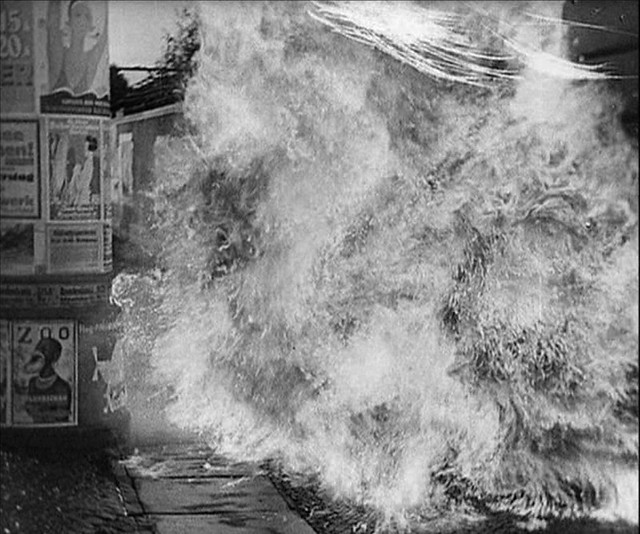 13 stills from the opening sequence of fritz lang's das testament des dr. mabuse (at the forger's factory)
a beautiful early example of film noir. the pulsing drone soundtrack is also very unique, the other 2 films i immediately think of which feature such an intense audio abstraction are: the beginning of peckinpah's the getway and lynch's eraserhead.
some films:
-schloß vogeloed 1921 (d. f.w. murnau)
-der müde tod 1921 aka destiny (d. fritz lang)
-de brennende acker 1922 aka burning soil (d. f.w. murnau)
-nosferatu, eine symphonie des grauens 1922 (d. f.w. murnau)
-die liebe der jeanne ney 1927 (d. georg wilhelm pabst)
-spione 1928 (d. fritz lang)
-tagebuch einer verlorenen 1929 aka diary of a lost girl (d. georg wilhelm pabst)
-westfront 1918 1930 (d. georg wilhelm pabst)
-die 3groschenoper 1931 (d. georg wilhelm pabst)
-m 1931 (d. fritz lang)
-kameradschaft 1931 aka comradeship (d. georg wilhelm pabst)
-das testament des dr. mabuse 1933 (d. fritz lang)
-der mann, der sherlock holmes war 1937 (d. karl hartl)
