Showing posts with label filmmaker's writings. Show all posts

Saturday, October 3, 2009

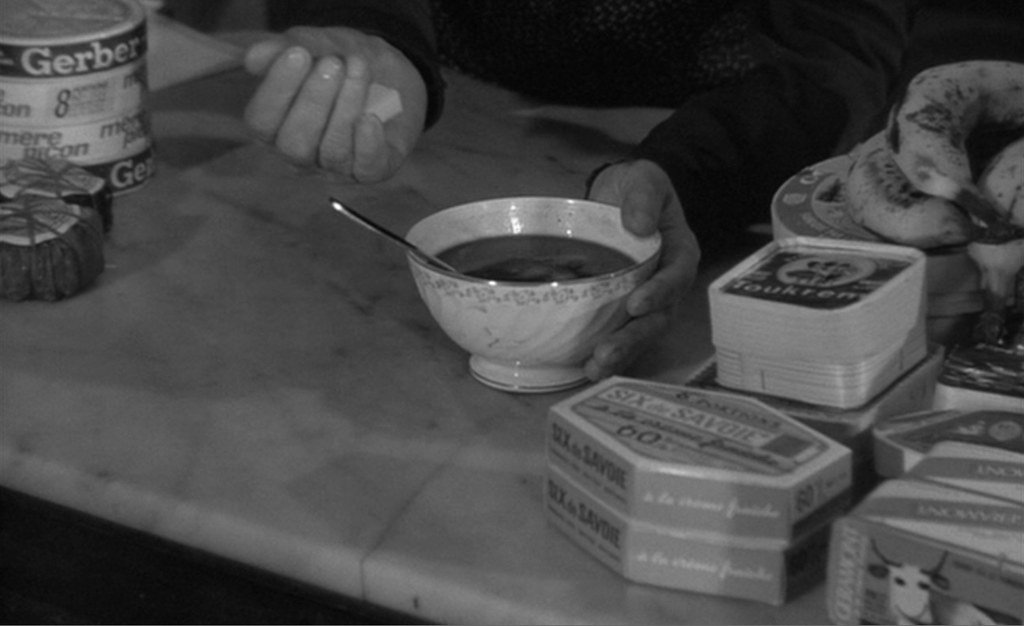
about alienation


jeanne dielman was considered a feminist film, but that was not my goal when i made it. my goal at the time was to show someone who organizes her life so that there is no hole in her time, because when there is a hole, there is also anxiety. i could have done that same film about a man, except that i was more interested in showing a woman's everyday gestures. i don't think it was feminist in the sense that many people have said - at least, a film about alienation because of gender was not my goal. maybe the film became that, but for me, jeanne dielman... was an act of love for those gestures that you see when you're a child, that you are surrounded by as a child. in a way, the repetition of those gestures is very good for a child.

interview with chantal akerman found in scott macdonald's a critical cinema 4 - university of california press - 2005

Saturday, April 12, 2008

robert bresson, olivier messiaen, i listen to my films as i make them

the composer olivier messiaen comes to mind as the closest parallel to bresson in the other arts. a devout catholic, the organist of the trinité in paris, messiaen has always been a radical modernist and a seminal figure in the evolution of modern music (in addition to his compositions, he deserves the credit of teaching stockhausen and boulez). nevertheless, the material of messiaen's art, pure sounds, submits to simultaneous modernism and theophany more flexible and more radical than narrative film.*

that is a question of composition. i use the word "composition" as opposed to the word "construction." i listen to my films as i make them, the way a pianist listens to the sonata he is performing, and i make the picture conform to sound rather than the other way round. transitions from one picture to another, from one scene to the next are like shifts in a musical scale. our eyesight occupies a large proportion of our brain, perhaps as much as two-thirds. yet our eyes are not so powerful a means of imagination, not so varied and profound as our ears. and so, as imagination is a critical element in any creative process, how could one not privilege the sound aspect?**

olivier messiaen: from vingt regards sur l'enfant jesus (1944) played by his wife yvonne loriod (1956)


* from p. adams sitney's the rhetoric of robert bresson: from le journal d'un curé de campagne to une femme douce

** from i seek not description but vision: robert bresson on l'argent (interview with robert bresson by michel ciment) - both found in robert bresson edited by james quandt, cinematheque ontario, 1998

Sunday, April 6, 2008

robert bresson, given by the eyes of john cage


radically suppress intentions in your models.

*

not to use two violins when one is enough.

*

no intellectual or cerebral mechanism. simply a mechanism.

*

hide the ideas, but so that people find them. the most important
will be the most hidden.

*

all those effects you can get from repitition (of an image, of a sound).

*

practice the precept: find without seeking.

*

to translate the invisible wind by the water it sculpts in passing.

*

make visible what, without you, might perhaps never have been seen.

*

build your film on white, on silence and on stillness.


cagean notes by robert bresson,
found in his notes on the cinematographer,
green integer 2, 1997 translated by jonathan griffin

Friday, April 4, 2008

robert bresson, ingmar bergman, free from all impurities


coffee in mouchette


i felt a strong affinity with bernanos' and bresson's mouchette. it's a film i would have liked to have made myself, but which i didn't understand. in mouchette the motif is expressed clearly and explicitly, free from all impurities. the girl in mouchette and the girl in the devil's wanton are sisters, sisters in two similar worlds.
but while the devil's wanton is full of quirks and divagation and coquetry and jumps about all over the place. mouchette is clear as daylight. it's a pure work of art. the religious motif only comes in for a moment, before the titles, as one sees the girl sitting there crying, and she says- "how will they manage without me?" how are you to manage without the saint, without the person who bears your sufferings? just for a moment- and then all the rest of the film is completely undogmatic.
i'm also tremendously fond of the diary of a country priest, one of the most remarkable works ever made. my winter light was very much influenced by it.

(pages 43-44 from bergman on bergman: interview with ingmar bergman by stig björkman, torsten manns and jonas sima, da capo press, 1993)


also, see deakins
post

Sunday, March 30, 2008

robert bresson, the unsayable

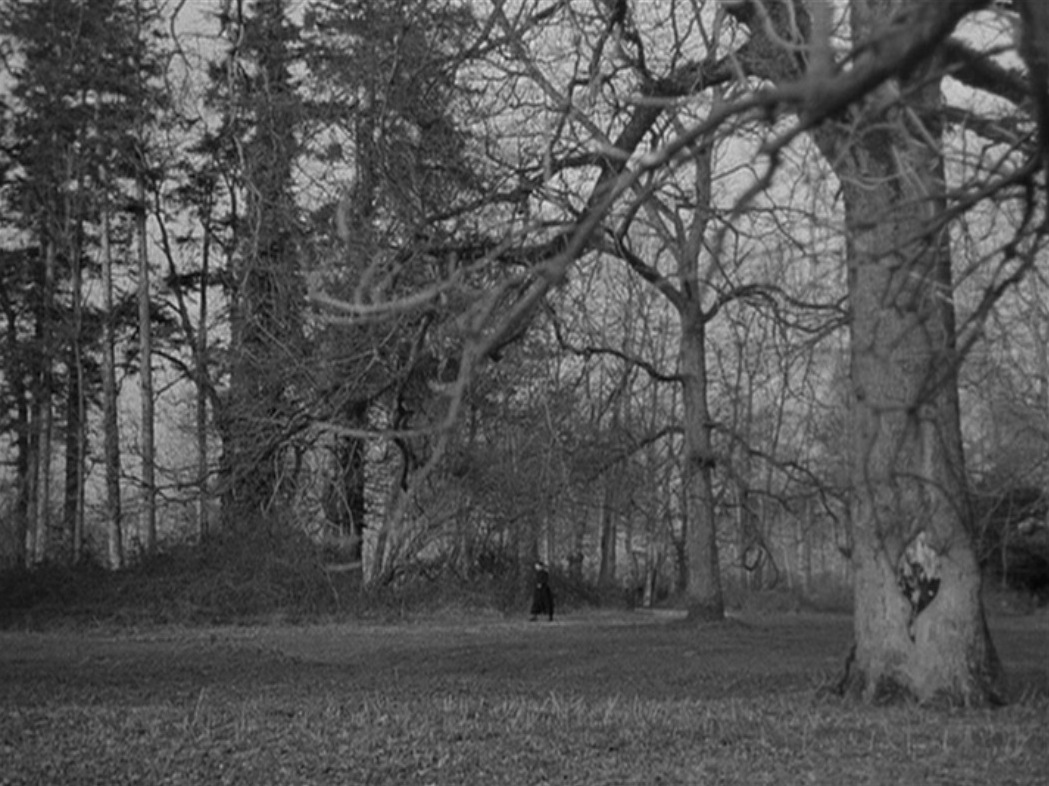
journal d'un curé de campagne 1951, photographed by léonce-henri burel

the domain of cinematography is the domain of the unsayable*

*(robert bresson from le monde, march 14, 1967 found in robert bresson: a spiritual style in film by joseph cunneen, 2003)

Monday, March 24, 2008

robert bresson, francis ponge, a correspondingly particular sound

ciment: do you like poets like francis ponge? your films remind one of him, and his le parti pris des choses.
bresson: yes. i no longer see ponge, unfortunately, as he has moved to the south. he wrote me some remarkable letters about my films and about cinema. i like his fondness for objects, for inanimate things.*


rain

in the courtyard where i watch it fall
the rain is coming down in widely varied measure.
a filmy discontinuous screen (or tracery) at the center
it's an unrelenting shower
relatively slow but rather sparse
an endless light precipitation
fractional concentration of sheer liquid meteor.
close by the walls to the right and left
heavier individualized
the drops come louder in their fall.
nearby they seem the size of wheat grain
over there a pea elsewhere almost a marble.
on window frames and railings the rain scuds horizontally
while on the undersides it clings in rounded lozenges.
molding to the entire surface of a small tin roof
that's visible below
it trickles in a thing skim moiréd in eddies
from the imperceptible bumps and ripples of the metal sheet.
in the adjoining gutter
it sluices along with all the application of a shallow rivulet gently pitched
then plunges abruptly
an absolutely vertical strand rather loosely tressed
straight to the ground where it shatters
and dashes up in glittering bead-tipped needles.

each of its forms has its own particular pace
a correspondingly particular sound.
it all exists intensely
a complicated mechanism precise as it is fortuitous
like clockwork whose mainspring is the weight of a given
mass of vapor in precipitation.
the chiming of vertical strands against the ground
the gurgle of the gutters
the tiny gong tones
all proliferate and resound together in concert
with no monotony with delicacy.

when the main spring runs down
some few wheels churn on awhile
slower and slowerthen the whole mechanism comes to a halt.
at that point if the sun comes out again
everything soon vanishes
the glittering apparatus evaporates.
it has rained. **

* from i seek not description but vision: robert bresson on l'argent (interview with robert bresson by michel ciment) found in robert bresson edited by james quandt, cinematheque ontario, 1998

** francis ponge, le parti pris des choses, éditions gallimard, 1942
in english as the nature of things, red dust, 2000

Friday, March 21, 2008

robert bresson, and sound

about his use of sound in l'argent, the director thinks that "while music flattens a surface, makes it into an image," sound, on the contrary, "lends space, relief. it arrives and the screen deepens, thus bringing on the third dimension".* the idea is that one must never duplicate an image with a sound ("a sound must never come to the aid of an image, nor an image to the aid of a sound....the image and sound must never reinforce each other, but must each work in turn in a sort of relay,"**) and if, in au hasard balthazar the first car accident is seen, the second will only be heard....

his work with sound is thus rather ambiguous with respect to the notion of realism. true, bresson has several times said that sound increasingly interests him because he believes that the tape recorder captures true sounds, whereas the camera greatly deforms the real...

as we have seen, however, with the example of the paris-milan train that michel takes in pickpocket, the director is more interested in conveying the subjective impression of a sound than capturing its real impact. this is why - explaining that what we think we hear is not what we really hear - bresson recommends one "go over [the organized sounds] one by one in silence" to "mix them in the correct proportion."** in fact, if the soundman had recorded the real sounds of the lyon train station where the thieves operate, he would have obtained only a blurred cacophony corresponding to the mechanical realism of what the machine picked up. but humans know how to focus their ears selectively, and while one person will make out through the din the striking of a clock because he or she wants to know the time, another will hear the sound of the wheels on the tracks of the train he or she is waiting for. for neither of them will the sounds form an auditory "hubbub." this is why bresson records all sounds separately to be able to use them to compose a true score occasionally placed in the service of rhythm, but at other times in that of meaning, such as when he presents the consequence before its cause: in l'argent, we are in the cell with yvon, and can make out a strange noise coming from behind the door. it's only in the next shot that bresson shows the corridor, enabling the view to identify the sound of a vacuum cleaner.

rené prédal, from robert bresson: l'aventure intériere,
found in robert bresson edited by james quandt, cinematheque ontario, 1998
(pages 102-103)

* robert bresson, cahiers du cinema, no. 104, february, 1960
** robert bresson, notes sur le cinématographie, gallimard, 1975

Sunday, March 16, 2008

robert bresson, andrei tarkovsky, very few means of expression


while doing roublev i forced myself to be very hard and very dry, tending towards a sort of olympic calm that, for me, is the major quality of the art of directing a film. so i might as well as tell you that i'm very fond of bresson. page 30

in paris, i have asked to meet bresson. we have nothing in common, but he's one of the best directors i know. i want to see him, to see his face, to see how he talks. i have no questions to ask him, he himself suffices for me... he uses very few means of expression, nobody ever has reached such a degree of asceticism. page 45

the film clips which i am showing represent what is closest to my heart. they are examples of a form of thought and how this thought is expressed through film. in bresson's mouchette the way in which the girl commits suicide is particularly striking. page 78

in fact i consider robert bresson the best filmmaker in the world. i have only the greatest respect for him. not counting that, i actually don't see many resemblances between us. he's able to cut down a shot in a way that i can't; it would be for me like killing a living being. page 182

from andrei tarkovsky: interviews, 2006


i now know two directors who worked with rigid self-imposed constraints to help them create a true form for the realisation of their idea; early dovzhenko (earth) and bresson (diary of a country priest). but bresson is perhaps the only man in the cinema to have achieved the perfect fusion of the finished work with a concept theoretically formulated beforehand. i know of no other artist as consistent as he is in this respect. his guiding principle was the elimination of what is known as 'expressiveness', in the sense that he wanted to do away with the frontier between the image and actual life; that is, to render life itself graphic and expressive. no special feeding in of material, nothing laboured, nothing that smacks of deliberate generalisation. paul valéry could have been thinking of bresson when he wrote: 'perfection is achieved only by avoiding everything that might make for conscious exaggeration.' apparently no more than modest, simple observation of life. pages 94-95

you will always recognize the editing of bergman, bresson, kurosawa or antonioni; none of them could ever be confused with anyone else, because each one's perception of time, as expressed in the rhythm of his films, is always the same. page 121

from andrei tarkovsky: sculpting in time, 1986

Friday, August 3, 2007

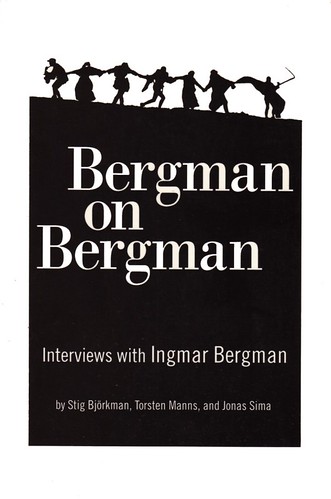
bergman on bergman

ingmar bergman: the silence, 1963

from bergman on bergman: interviews with ingmar bergman:

it's of no interest, perhaps, but yesterday evening i was reflecting on the origins of the silence. i can no longer lay my hands on the work-books for it, i don't know what i've done with them- but i remember that it was about christmas time, and that the silence, just like winter light, began with a piece of music: barok's concerto for orchestra.

my original idea was to make a film that should obey musical laws, instead of dramaturgical ones. a film acting by association-rhythmically, with themes and counter-themes. as i was putting it together, i thought much more in musical terms than i'd done before. all that's left of bartok is the very beginning. it follows bartok's music rather closely- the dull continuous note, then the sudden explosion.

then i've always been fascinated by a strange city. as a boy i was often in germany , berlin exerted an almost demonic suggestiveness over me, due to an early collection of short stories about berlin by siegfried siwertz. so berlin wasn't a real berlin at all, but a city of black destruction. then there was fallada's kleiner mann was nun? and a wolf among wolves, not to mention brecht and weill's dreigroshchenoper, which also isn't really about berlin, as much, but london, and yet is entirely berlinerisch. my youth was spent to an accompaniment of lotte lenya and lewis and that old telefunken record of ruth's band.

as the train was approaching berlin from sassnitz, i remember standing looking out into the dawn over the huge grey suburbs as the houses grew taller and the train passed over viaducts until one felt the enormous dark suggestiveness of it all- you must have felt it too, i suppose? the sense of sinking into an enormous city, absorbing it, becoming anonymous within it*. (pages 180-181)

*also see edgar allen poe's a man of the crowd


bergman on bergman: interviews with ingmar bergman, 1970/1973

Thursday, August 2, 2007

la région centrale, the great religious work


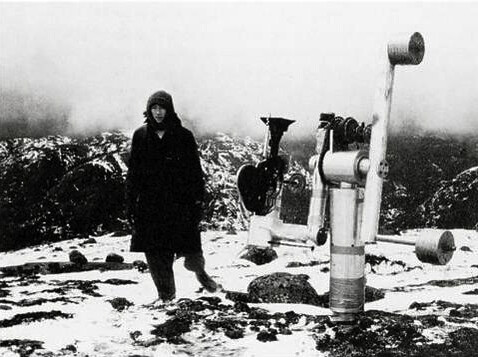
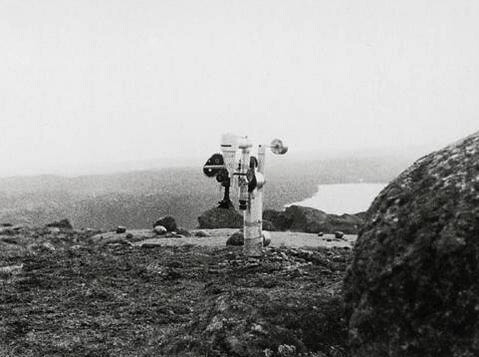
michael snow, la région centrale 1971

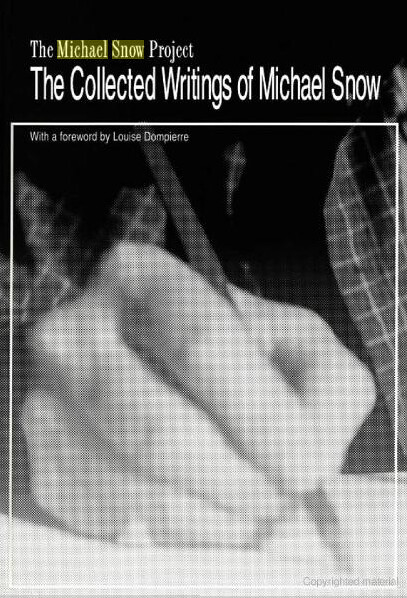
some ideas found in the michael snow project: the collected writings of michael snow, wilfred laurier university press, 1994:

the camera is an instrument which has expressive possibilities in itself. i want to make a gigantic landscape film equal in terms to the great landscape paintings of cezanne, poussin, corot, monet, matisse and in canada the group of seven. (page 53)

i wanted to make a film in which what the camera-eye did in the space would be completely appropriate to what it saw, but at the same time equal to it. cezanne, for instance, produced an, to say the least, incredibly balanced relationship between what he did and what he (apparently) saw. (page 57)

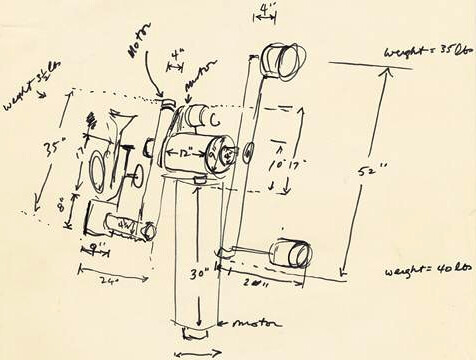
one of the titles i considered was !?432101234?! (an adaptation of a sculpture title), by which i meant that as you move down in dimensions you approach zero and in this film, la régioncentrale, that zero point is the absolute centre, nirvanic zero, being the ecstatic centre of a complete sphere. you see, the camera moves around an invisible point completely in 360 degrees, not only horizontally but in every direction and on every plane of a sphere. not only does it move in predirected orbits and spirals but it itself turns, rolls and spins. so there are circles within circles and cycles within cycles. eventually there is no gravity. the film is a cosmic strip. (page 58)

within the terms of my work i had in the back of my mind great religious works like bach's st matthew passion, b minor mass, st john passion, ascension oratorio. what an artist! i wish he could hear and see la région centrale.* (page 58)

* raymond queneau's great book exercises in style was inspired by bach's the art of the fugue.


(found a small excerpt of the film on this nice site.
for more book information, look at my older post)

Wednesday, May 23, 2007

killing in tarkovsky & kurosawa

similarities between andrei tarkovsky's
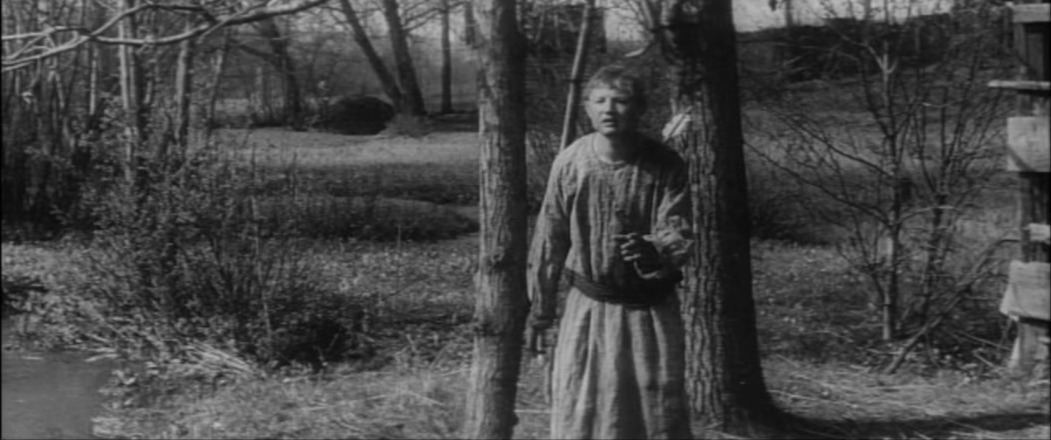
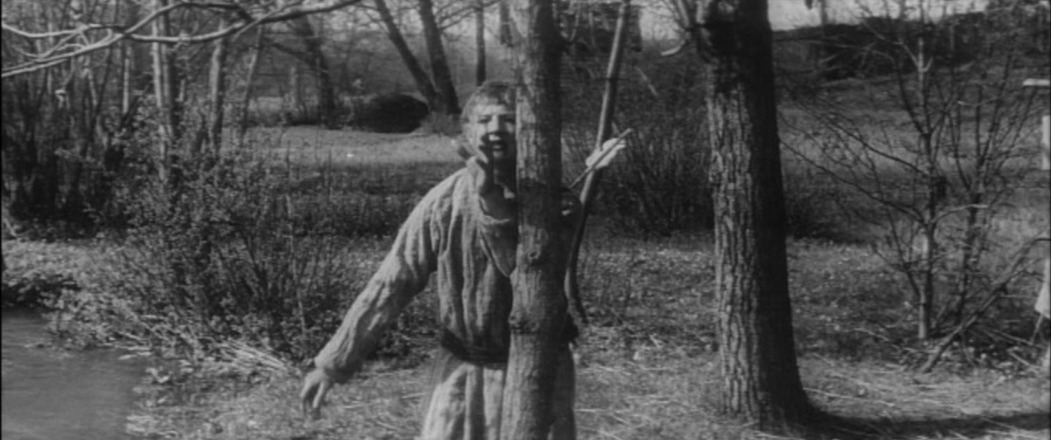
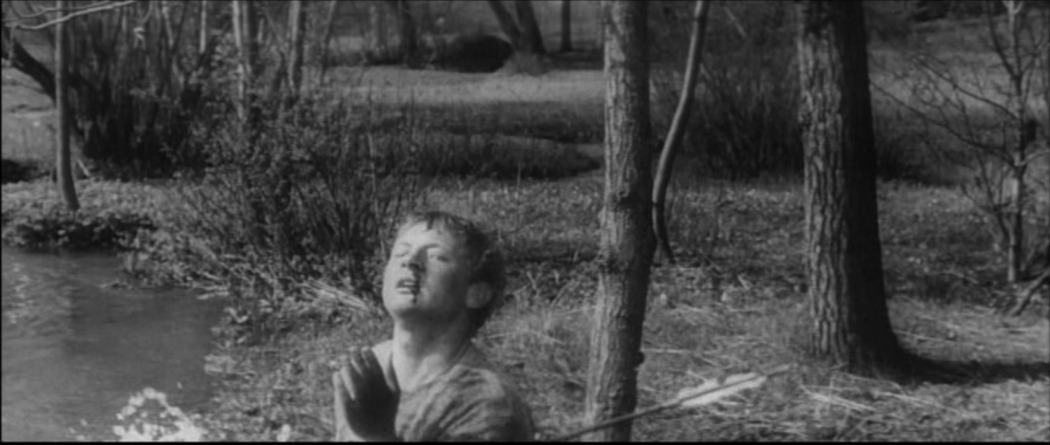
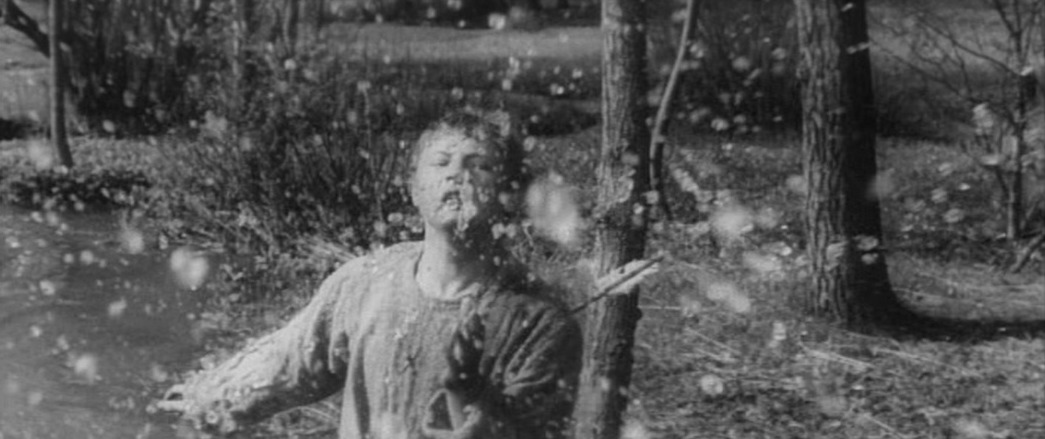
andrei rublev, 1966
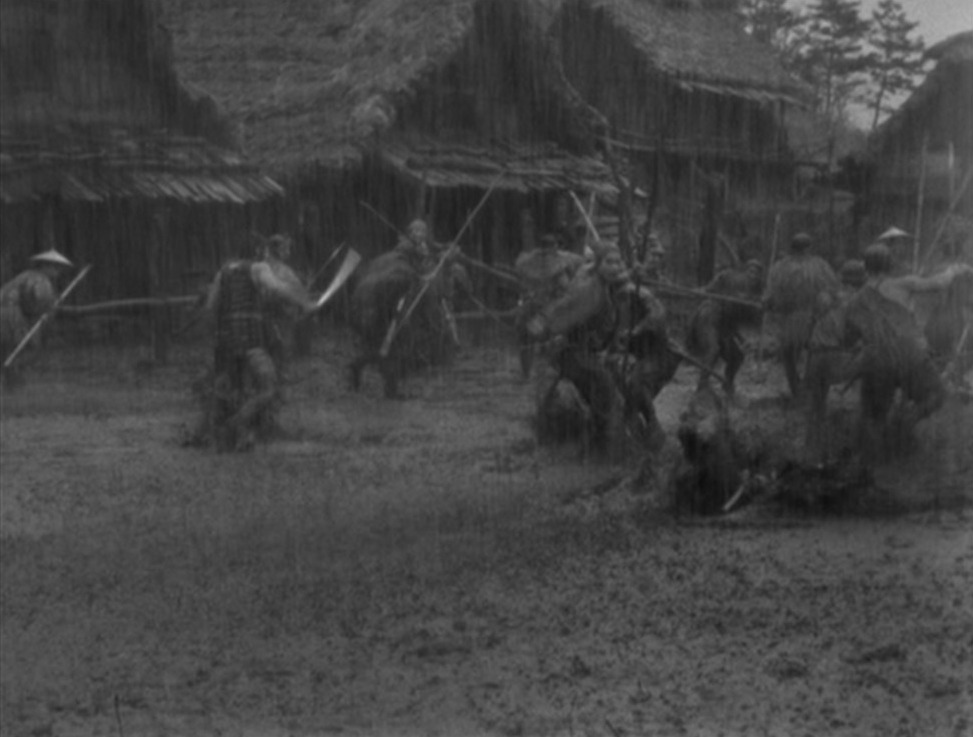
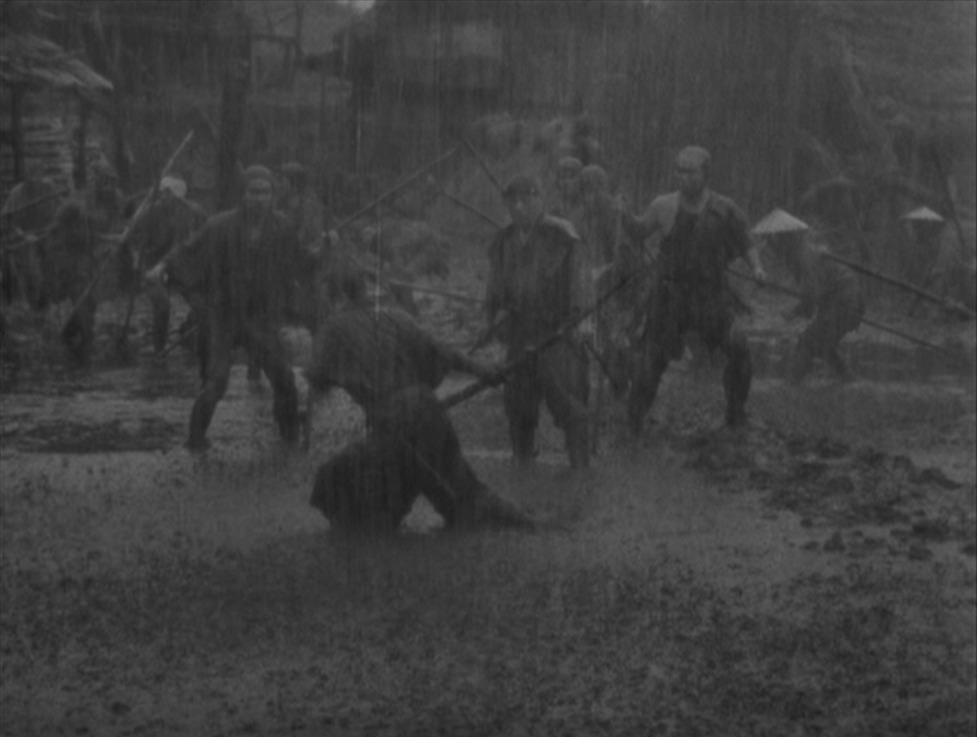
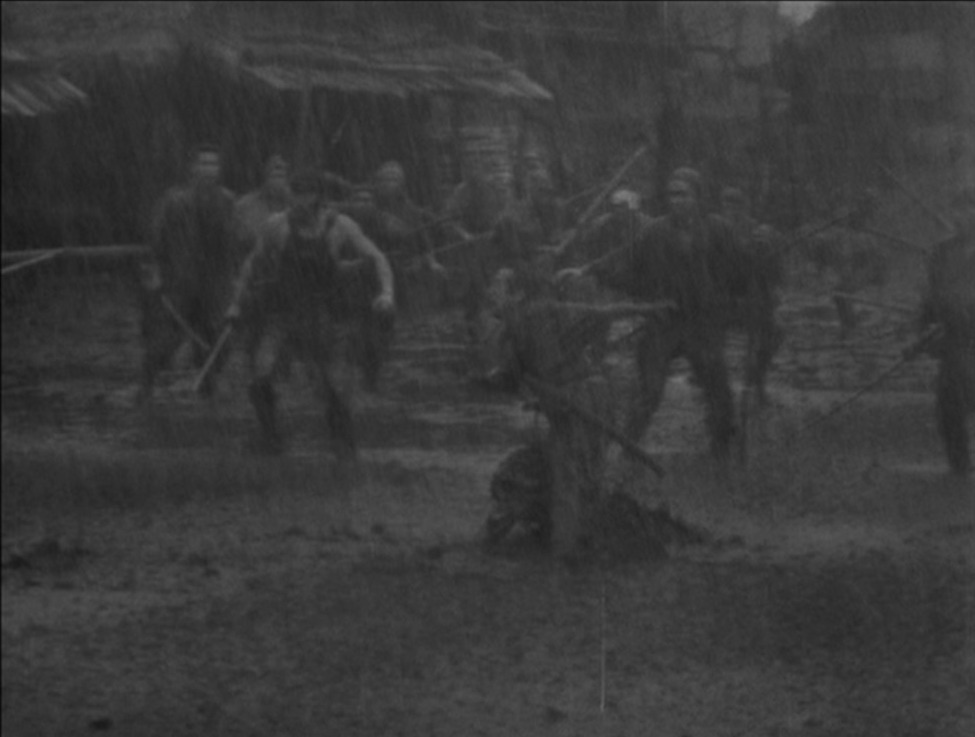
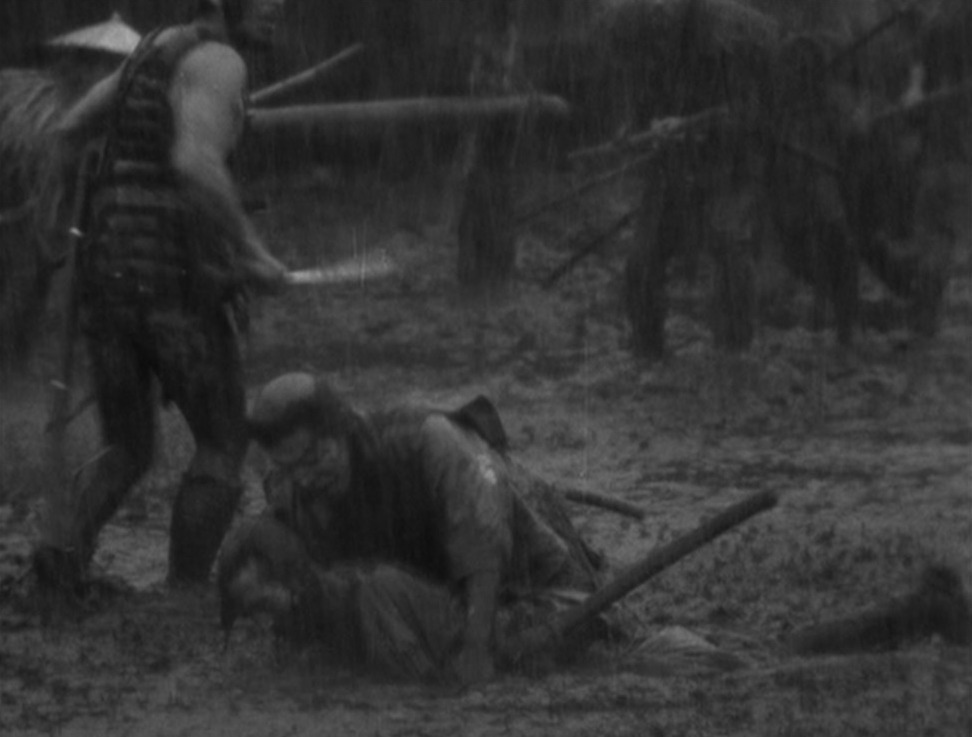
& akira kurosawa's seven samurai 1954


andrei tarkovsky andrei rublev, 1966

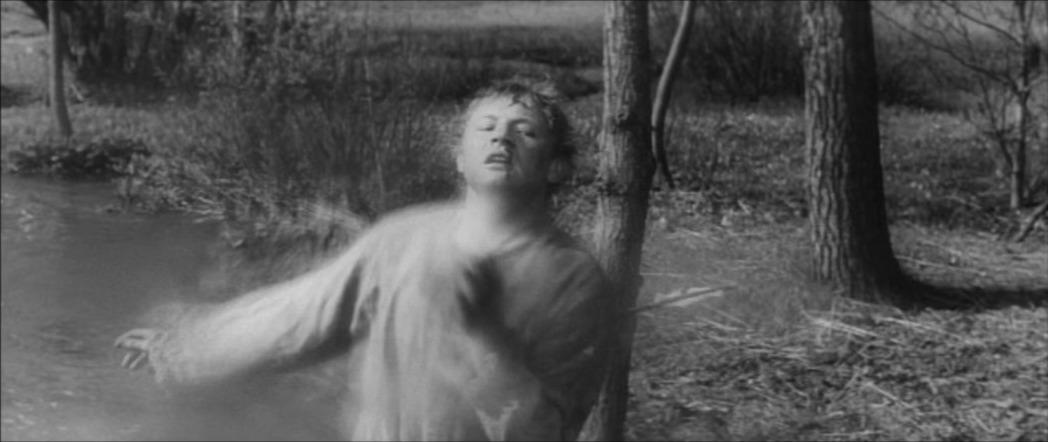
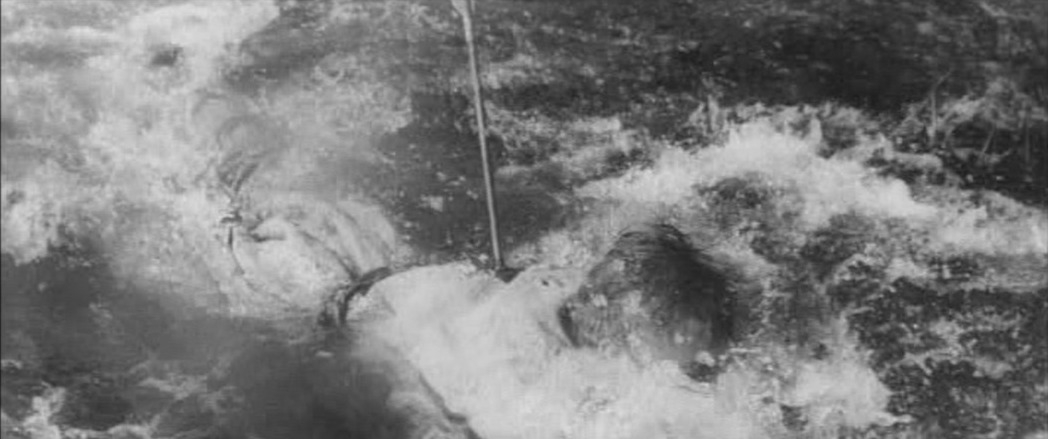
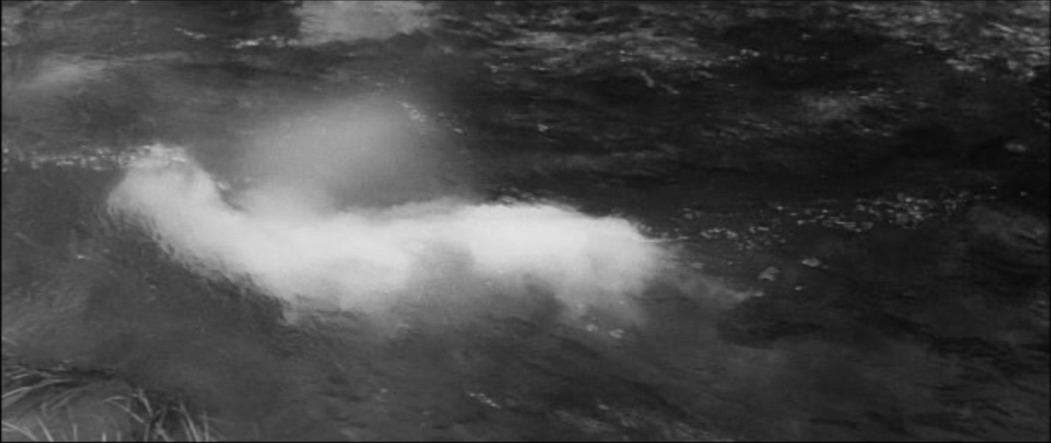
rublev's assistant is shot in the back by an arrow and struggles toward the camera, then dies in the water. all in slow motion. notice water hitting the lense.


akira kurosawa seven samurai 1954

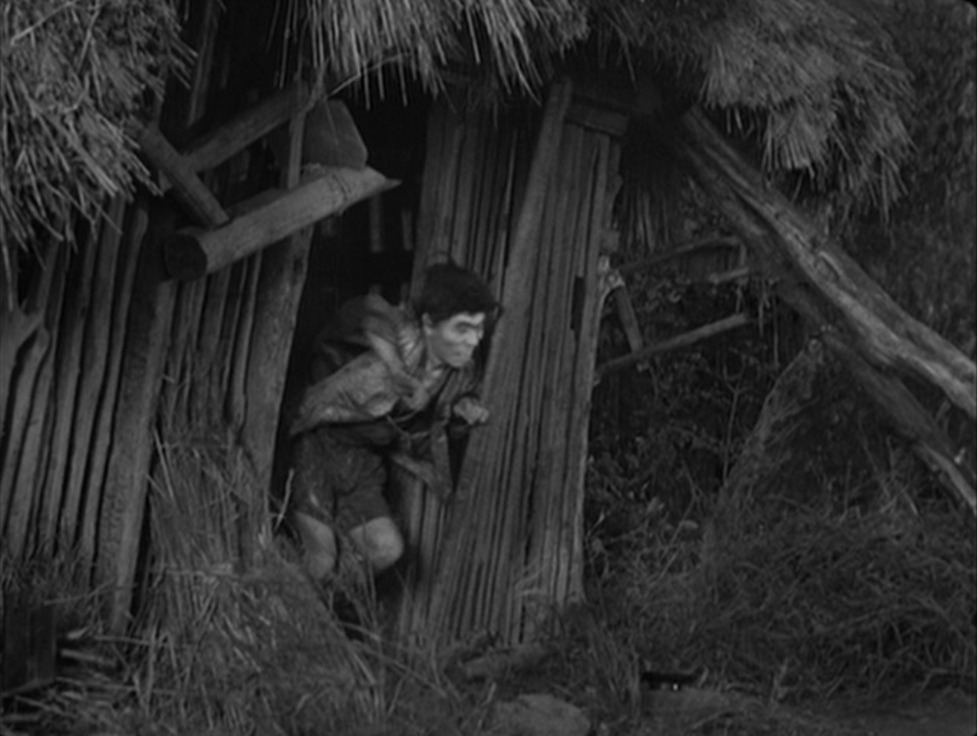
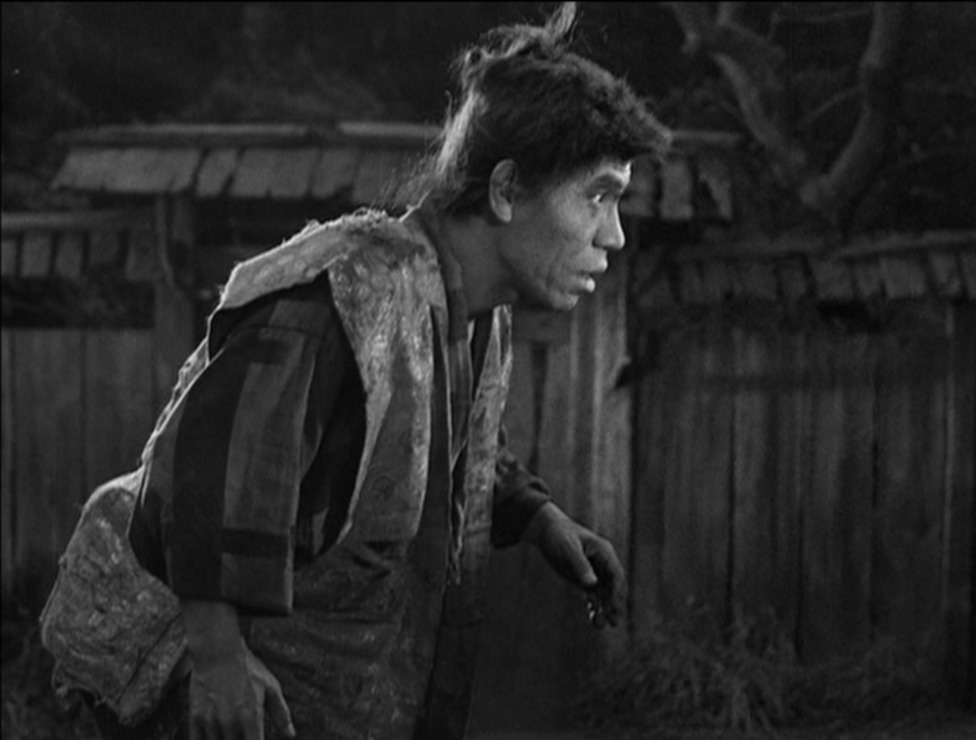
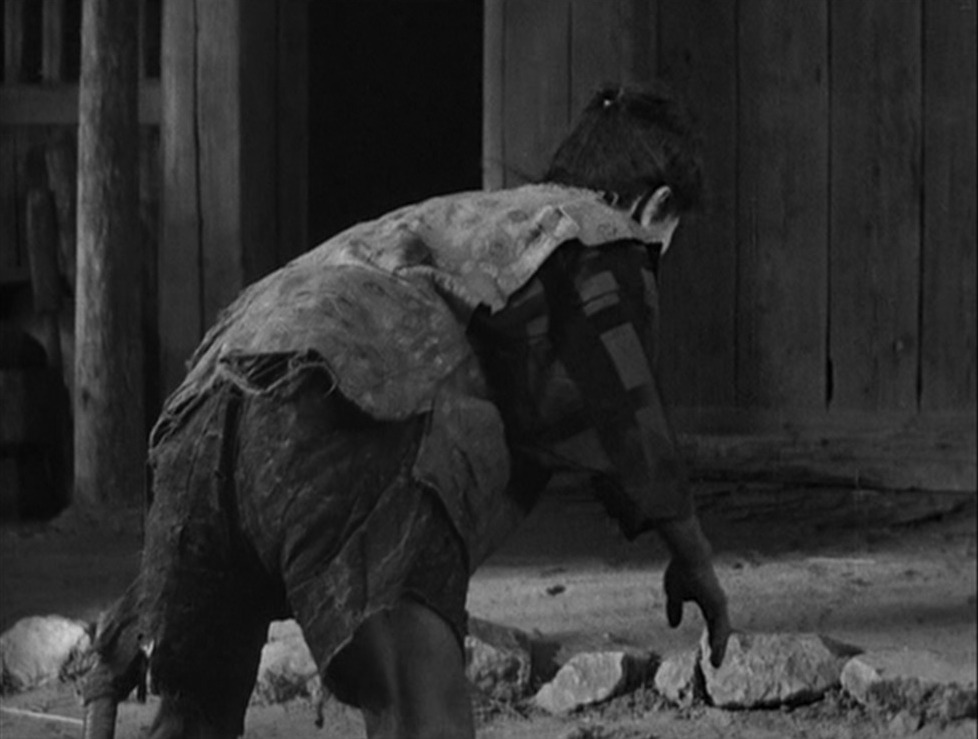
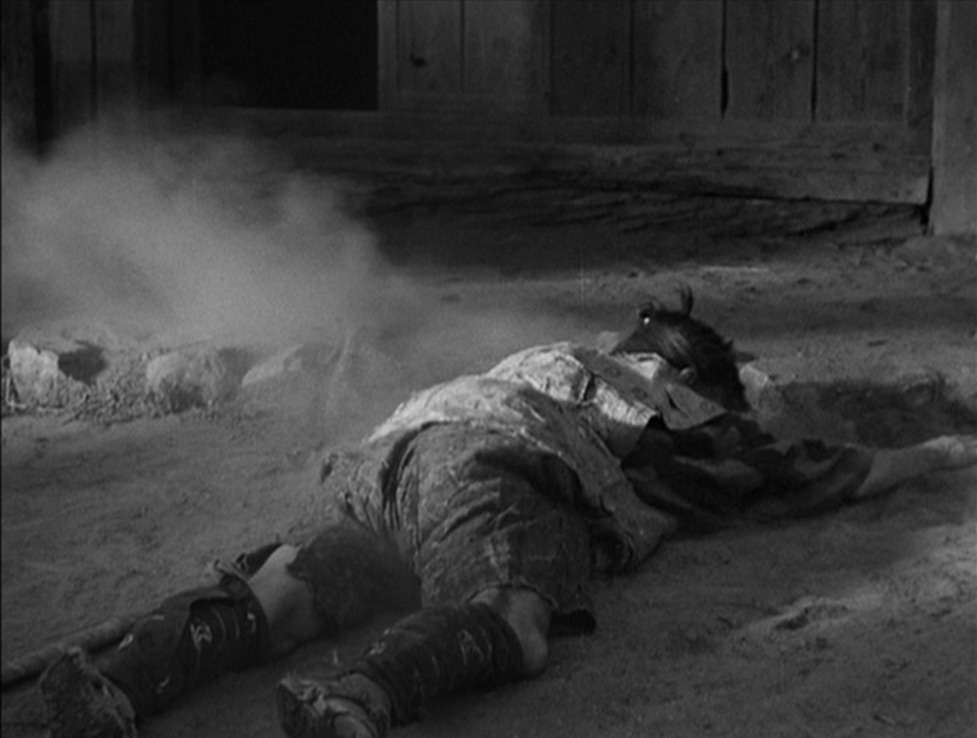
two classic death scenes in seven samurai. first, a thief is killed by takashi shimura, and dies in slow motion.
second, the finale in the rain when the master swordsman is shot down and expires in the mud (being one of the most emotional parts of the film).


the reason for this post came from watching andrei rublev last week and reacting to some scenes of violence, and recognizing one scene in particular (the boy being shot in the back) as a direct reference to some scenes in seven samurai. this coincided with reading the new tarkovsky interview book where he talks about seven samurai and the influence of other film-makers on his work.

here are some quotes from andrei tarkovsky interviews regarding seven samurai and "reciprocal activity" in film-making:

"in seven samurai, in the sequence in which the youngest member of the group is afraid, we see how kurosawa transmits this sense of fear. the boy is trembling in the grass, but we don't see him trembling, we see the grass and flowers trembling. we see a battle in the rain ans when the character played by toshiro mifune dies we see him fall and his legs become covered with mud. he dies before everyones eyes." page 78

"the problem of influence, influx, or reciprocal activity is complex. cinema doesn't exist in a vacuum-one has colleagues and so influences are inevitable. so what is influence or influx? the artist's choice of the environment in which he works, the people with whom he works, it is like his choice of a dish at a restaurant. as for the influence of kurosawa, mizoguchi, bresson bunuel, bergman, and antonioni on my work, it is not influence in the sense of 'imitation'-from my point of view this would be impossible since imitation has nothing to do with the aims of cinema. one has to find one's own language through which to express oneself. to me influx means being in the company of people whom i admire and esteem." page 76

both quotes from interview book.

"tarkovsky told me that he always sees seven samurai before shooting his new films. this is to say that I always see his andrei rublov before shooting."
akira kurosawa from his book a dream is a genius


andrei tarkovsky's top 10 films:

1. diary of a country priest (d. robert bresson)
2. winter light (d. ingmar bergman)
3. nazarin (d. luis buñuel)
4. wild strawberries (d. ingmar bergman)
5. city lights (d. charlie chaplin)
6. ugetsu monogatari (d. kenji mizoguchi)
7. seven samurai (d. akira kurosawa)
8. persona (d. ingmar bergman)
9. mouchette (d. robert bresson)
10. woman of the dunes (d. hiroshi teshigahara)

appeared in sight and sound, march 1993, volume 3, issue 3.

here are some good links: *, *, *, *

Wednesday, April 25, 2007

nothingness

i know nothing about nothingness

4/17/2007

the deeper you go, the more you get lost
(both quotes from mekas)