Showing posts with label ingmar bergman. Show all posts

Wednesday, May 9, 2012

lost beyond telling

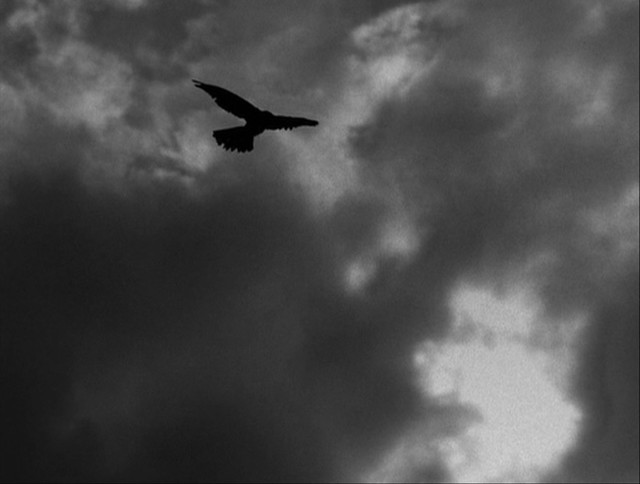
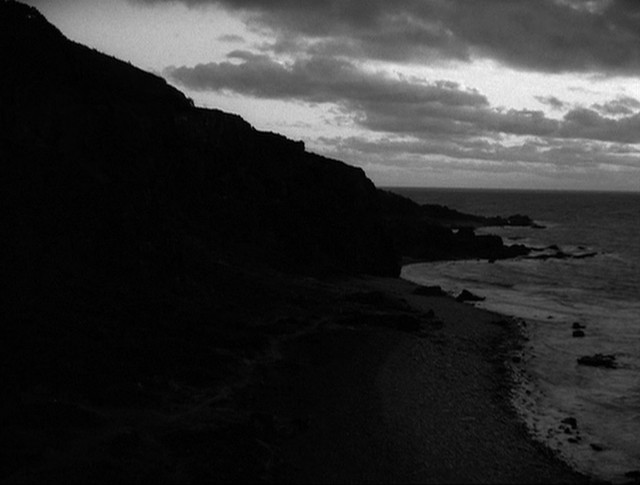
samples from the cd portion of the forthcoming oiseaux invisibles release :

everything is abyss (baudelaire), excerpt

ingenting kollektiva 
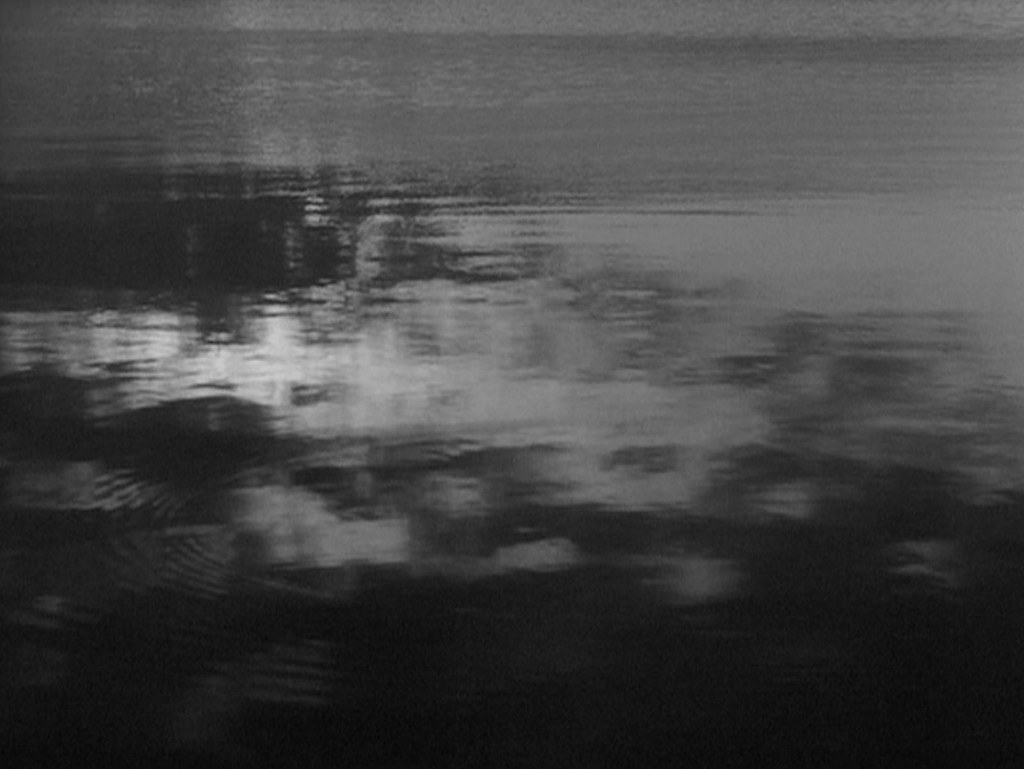
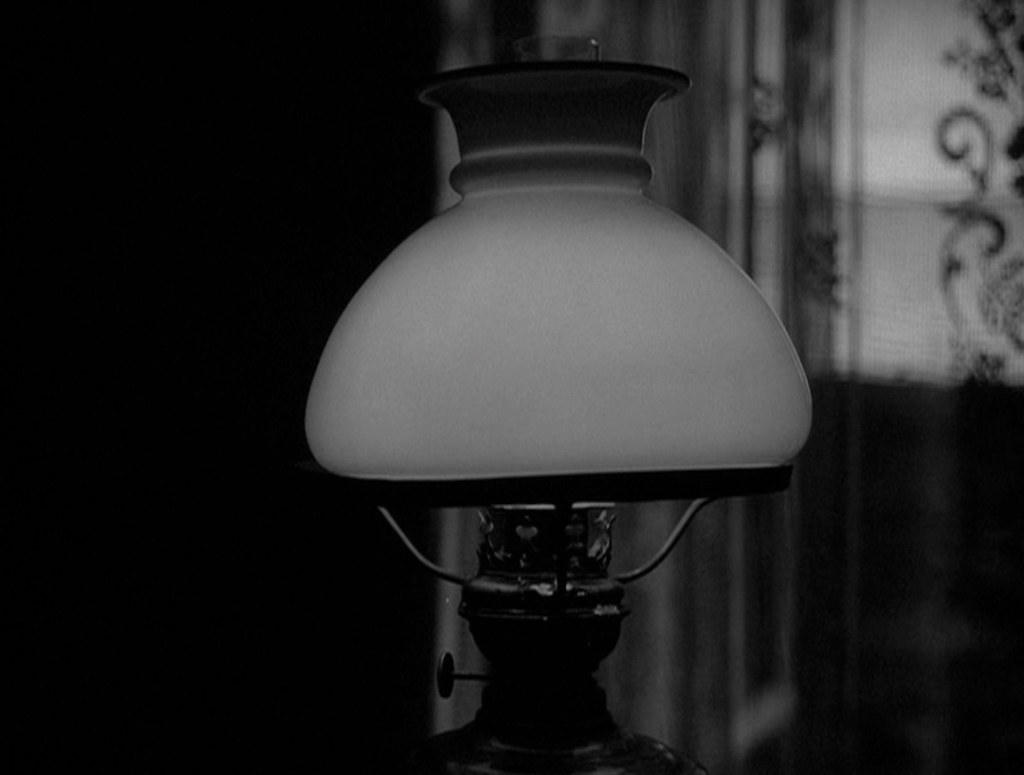
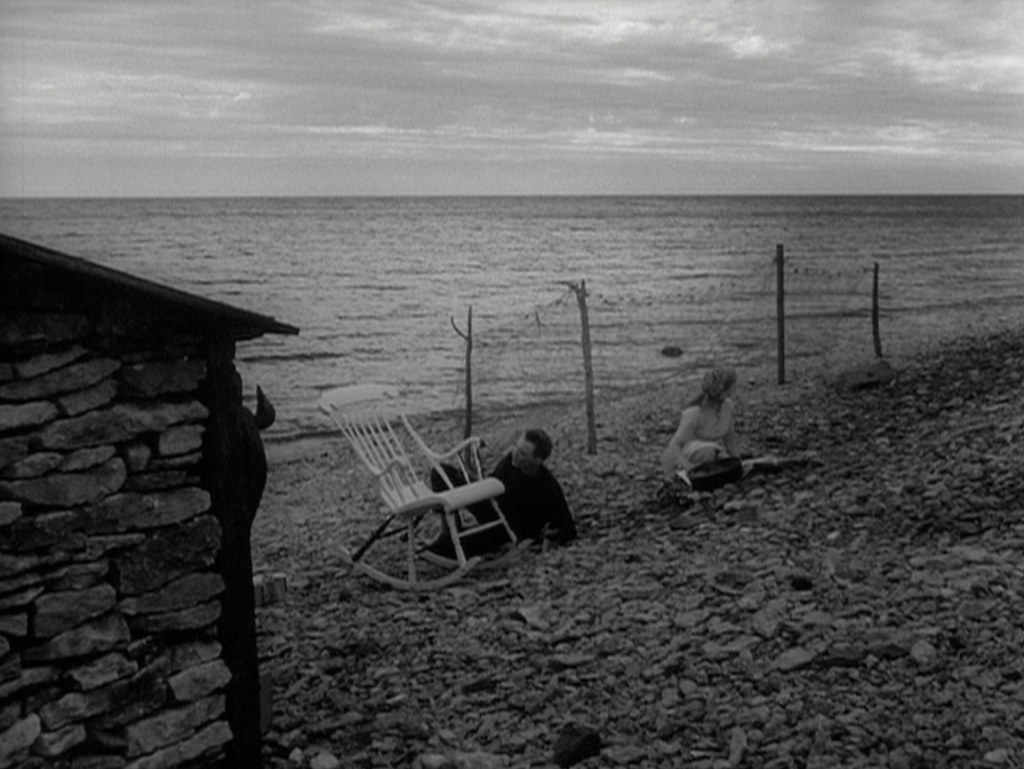
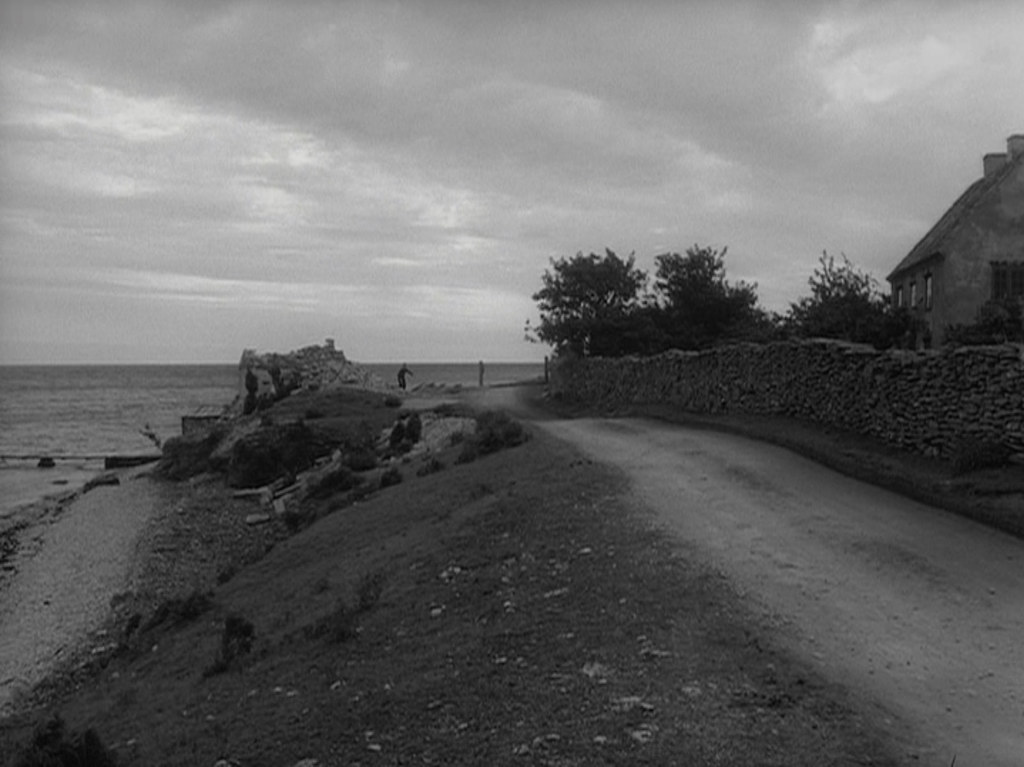
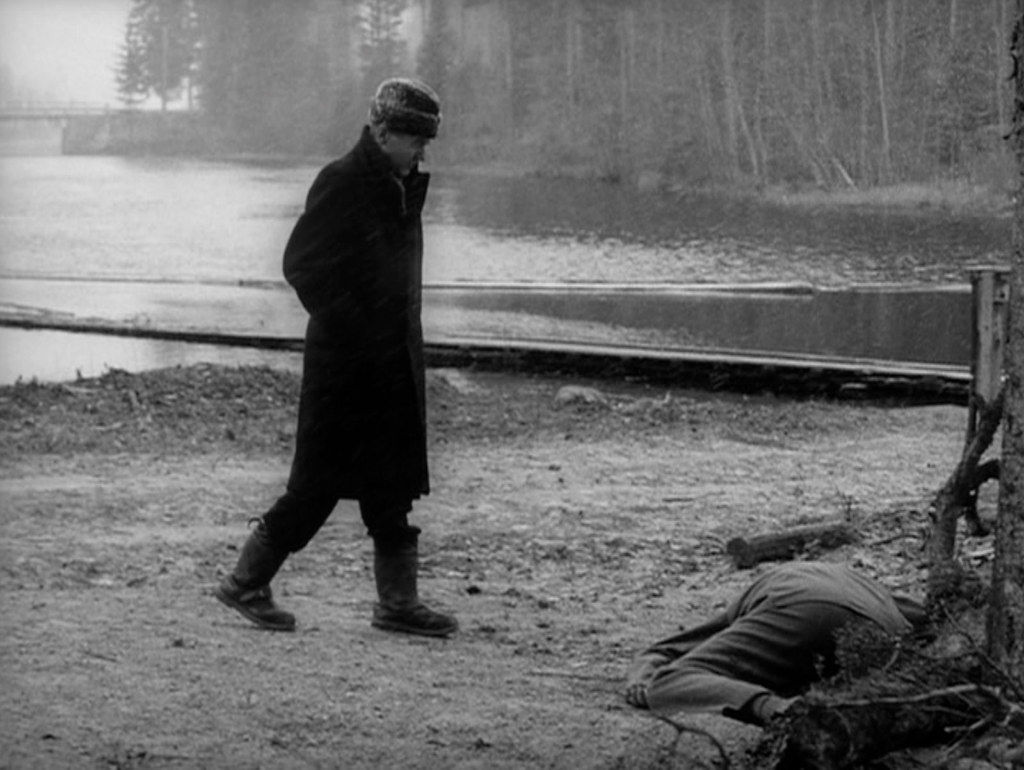
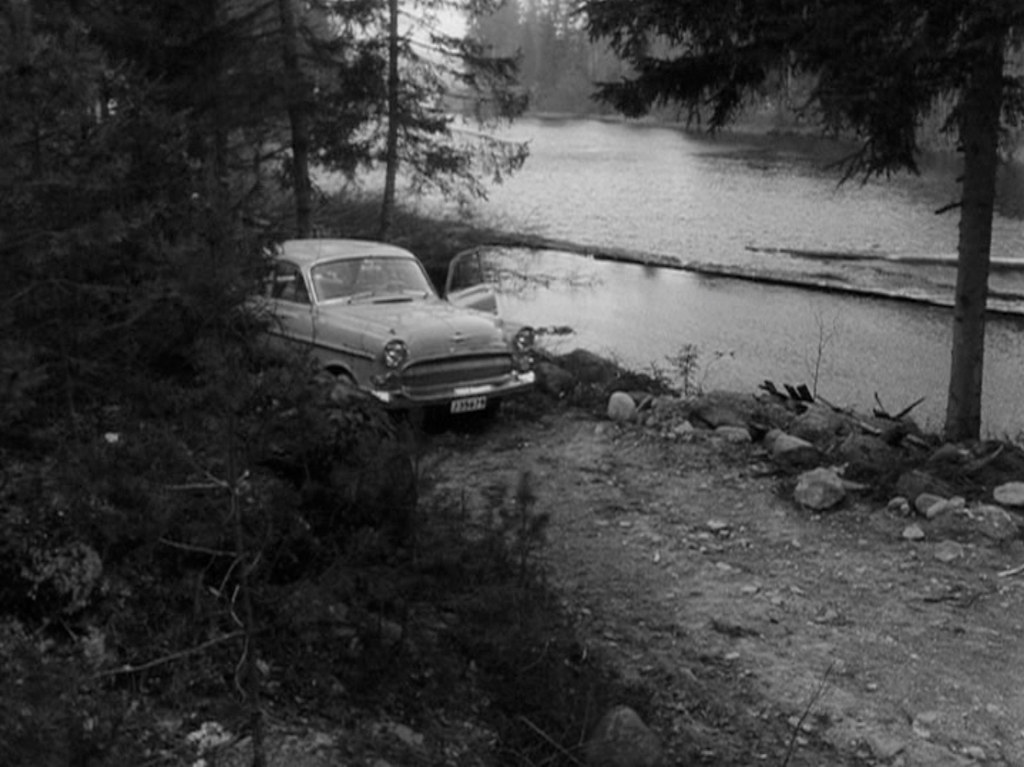
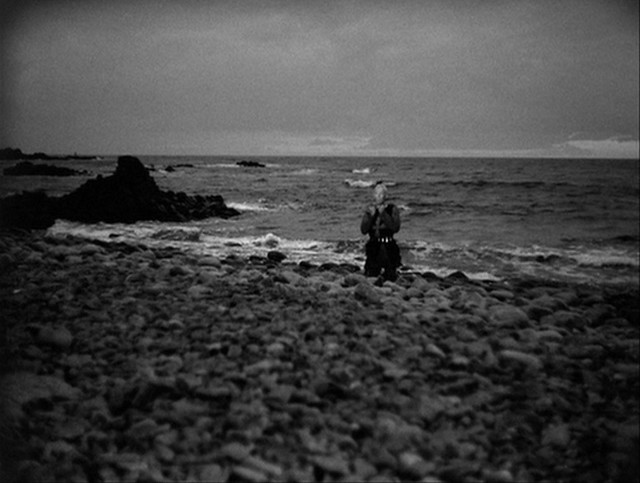
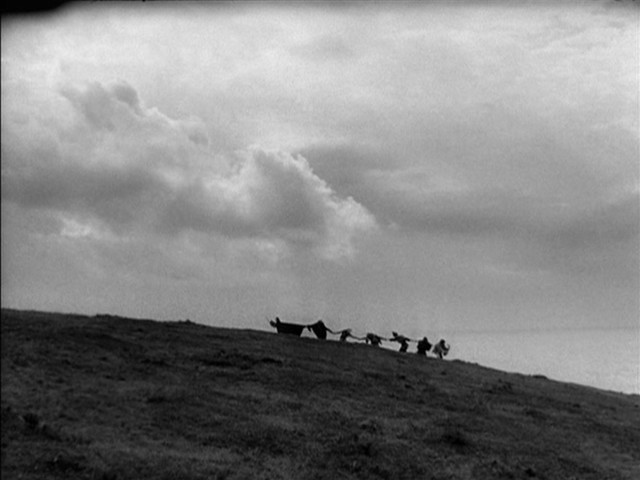
lost beyond telling : fragments of night as envisioned by johannes d'église, church mouse.
(ib006 - cd + dvd - 2012, forthcoming, also available in artist edition of 8)

material from ingenting kollektiva, ingmar bergman, and j.s. bach, modified and transformed by johannes d'église & matthew swiezynski, and mastered by taylor deupree.

titles taken from :
baudelaire, bonnefoy, prospero, messiaen, jaccottet, stamelman, ashbery, and d'église

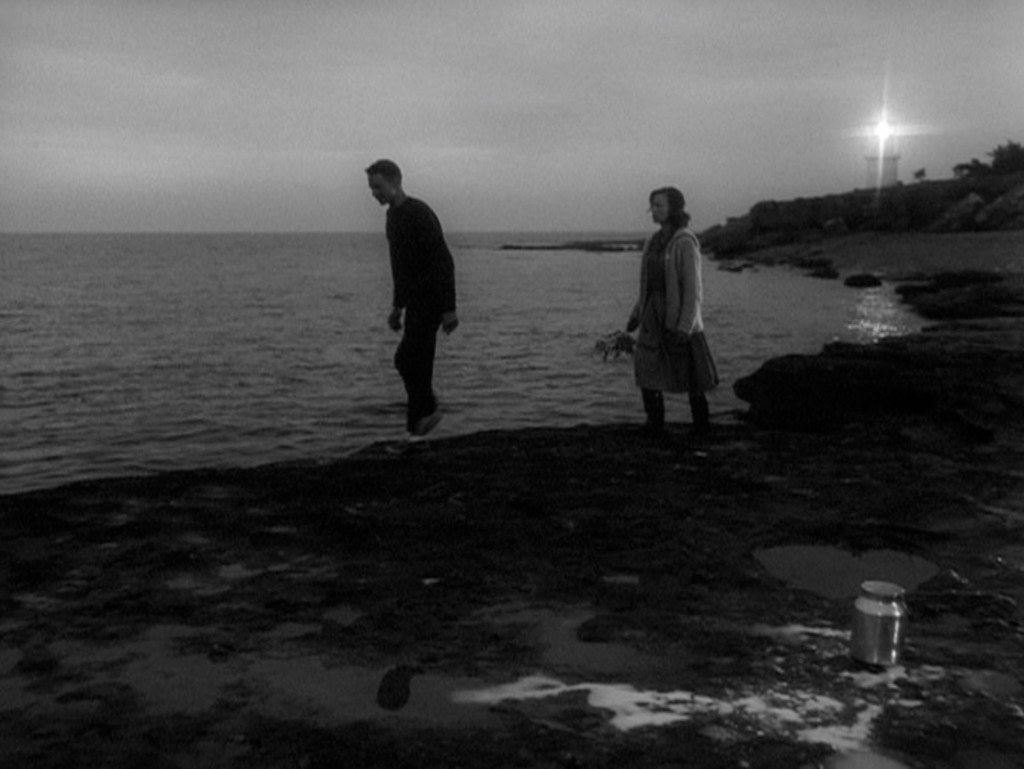
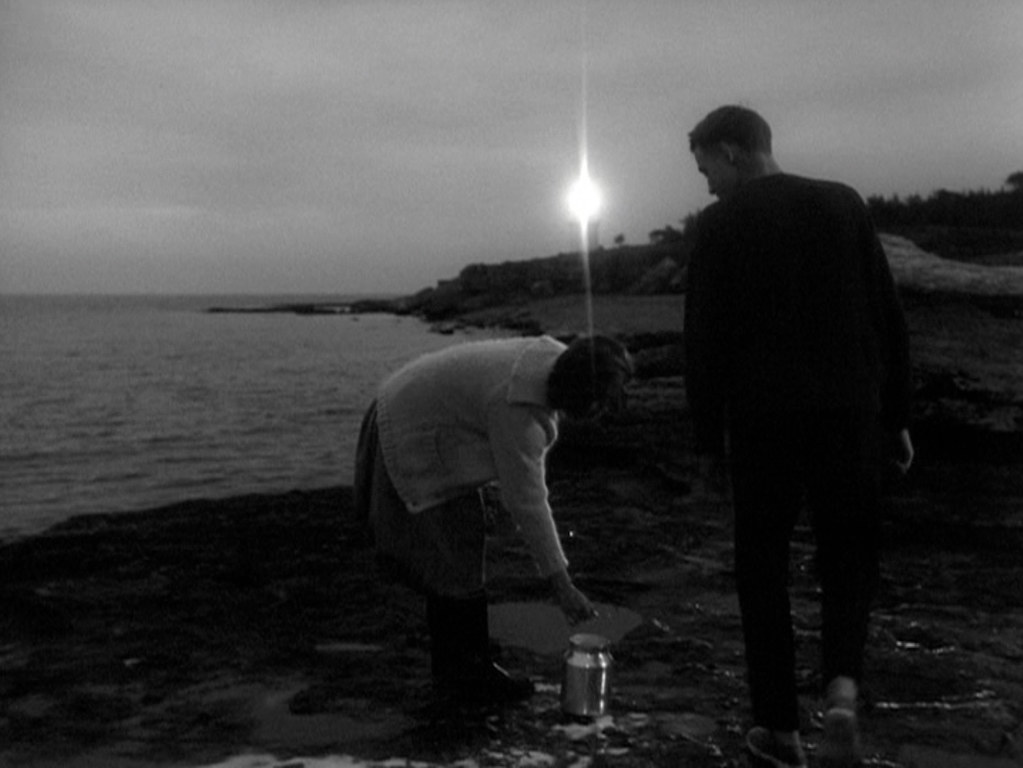
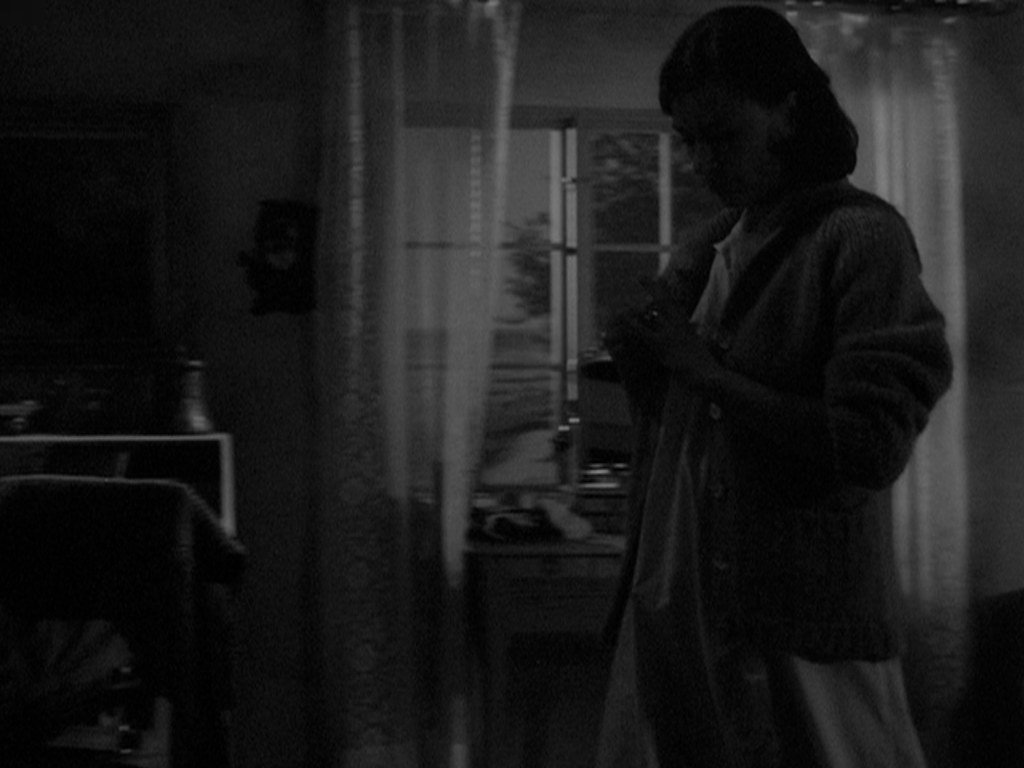
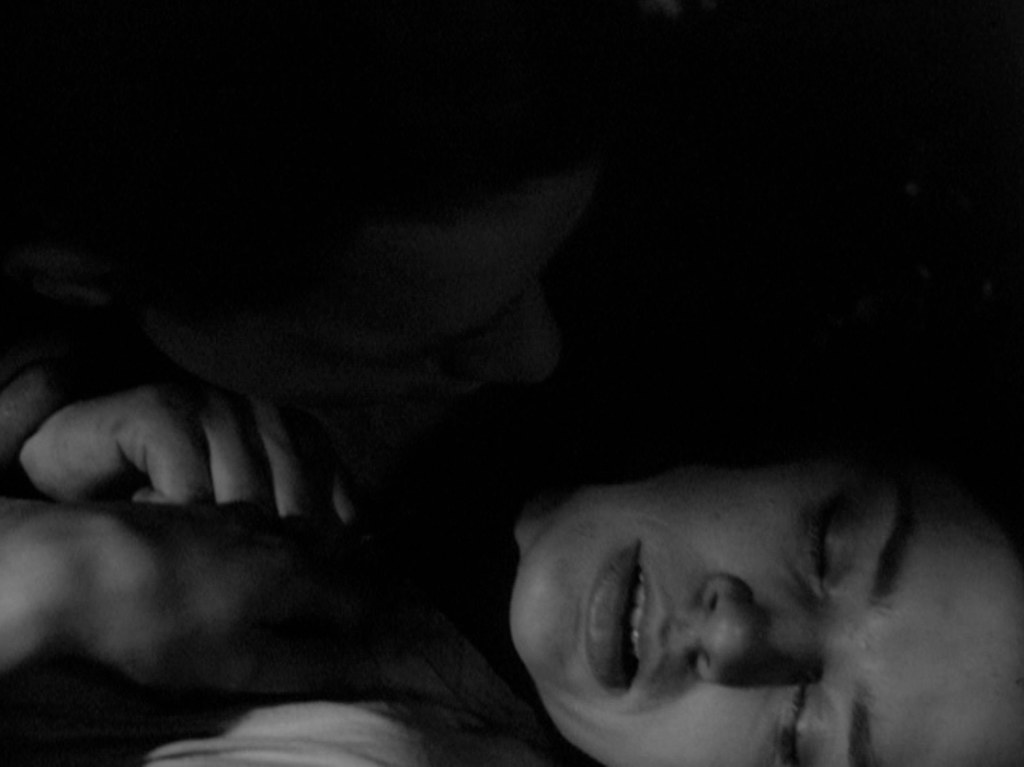
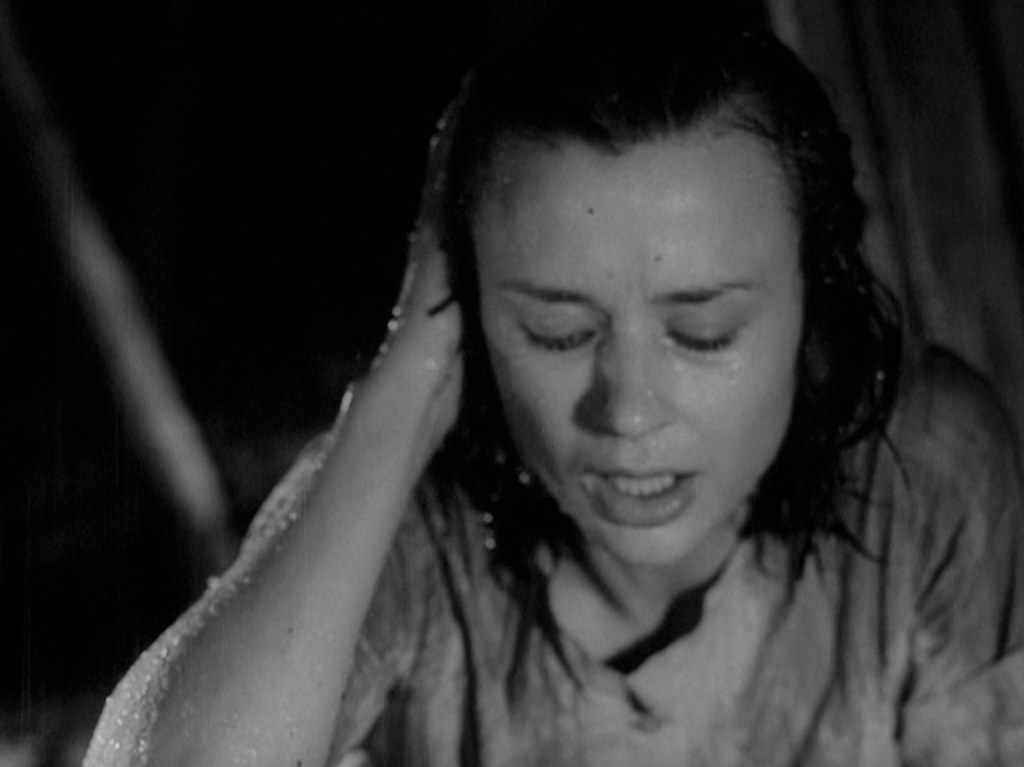
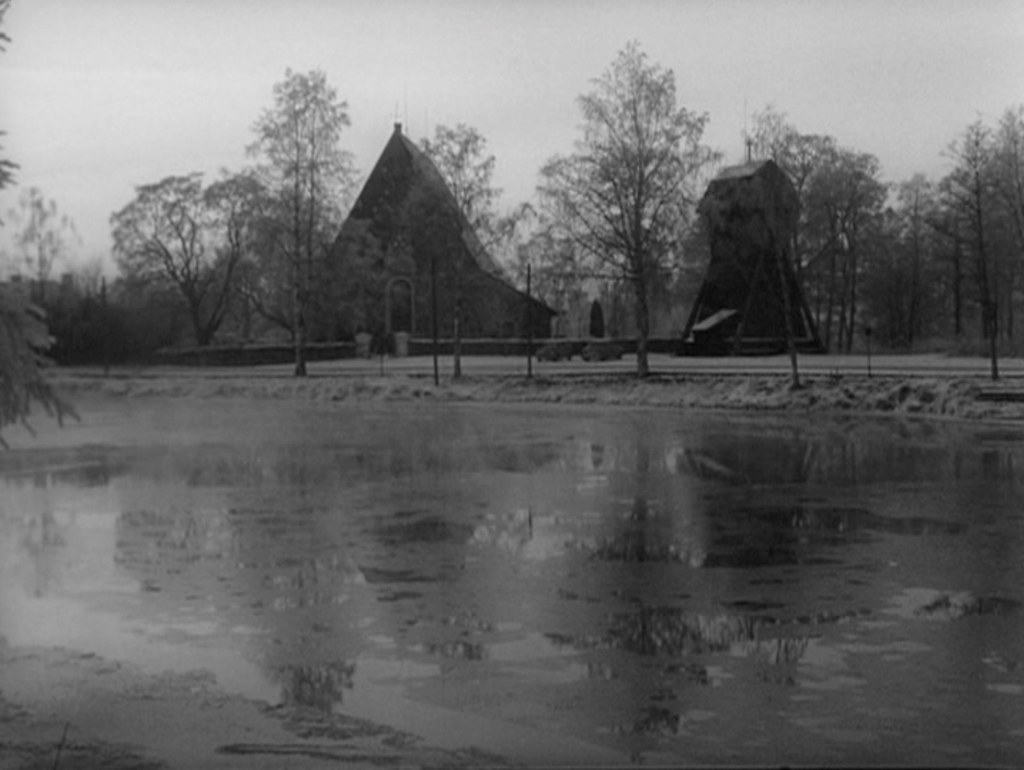
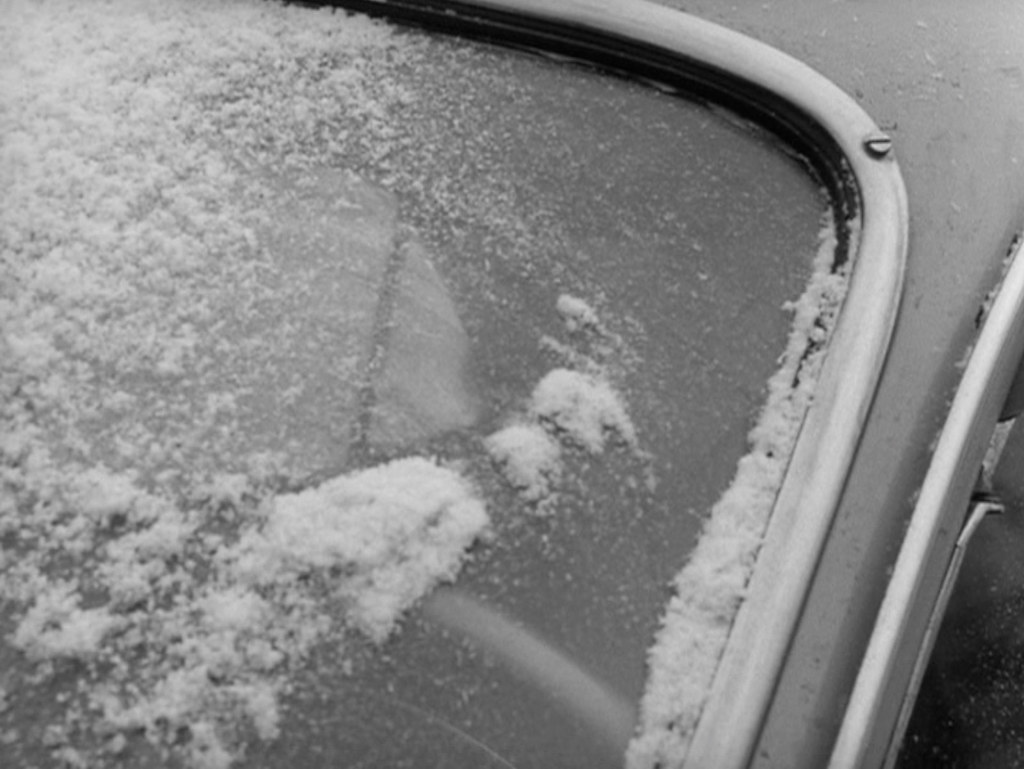
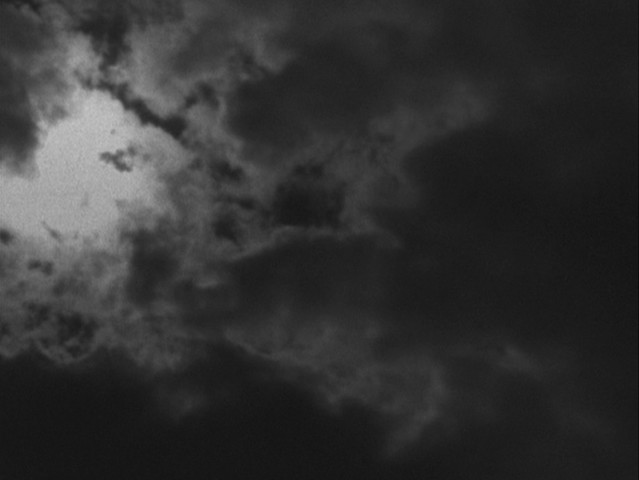
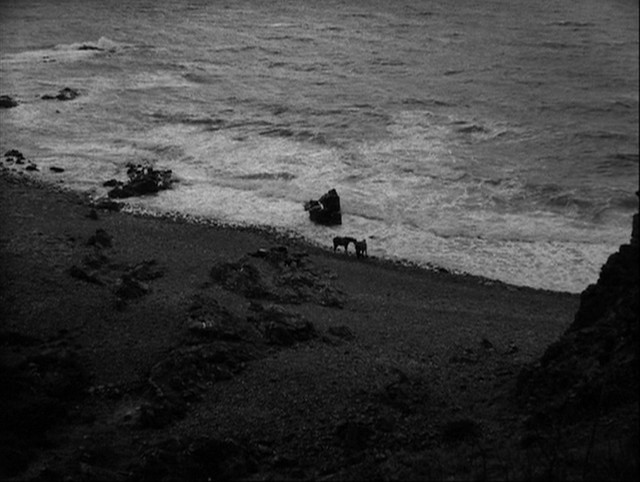
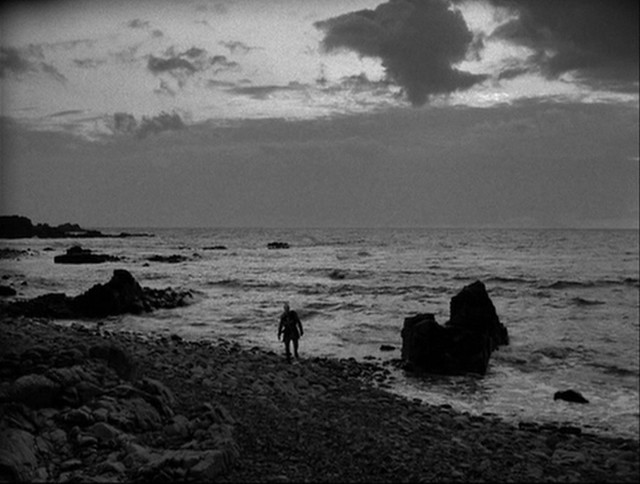
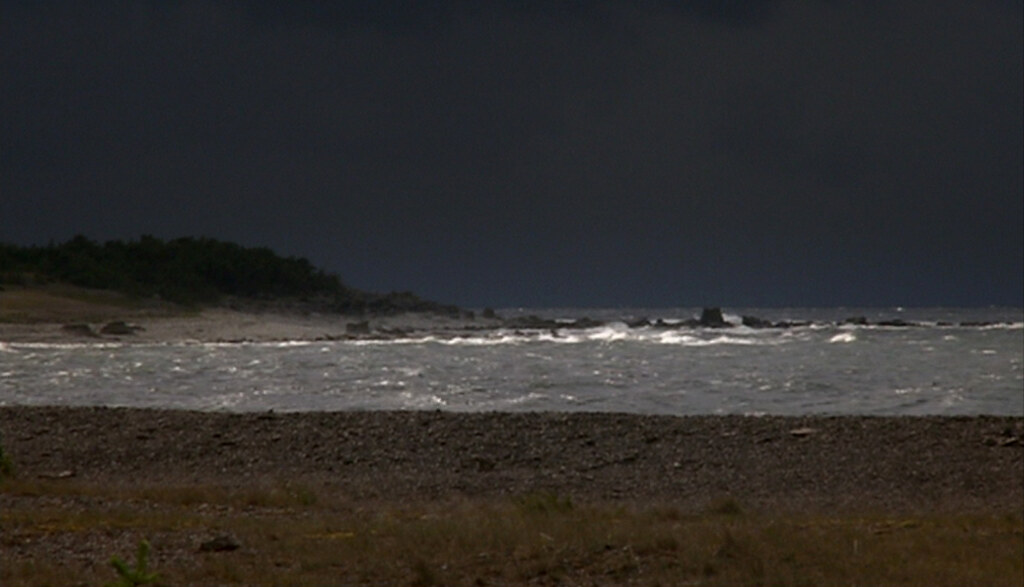
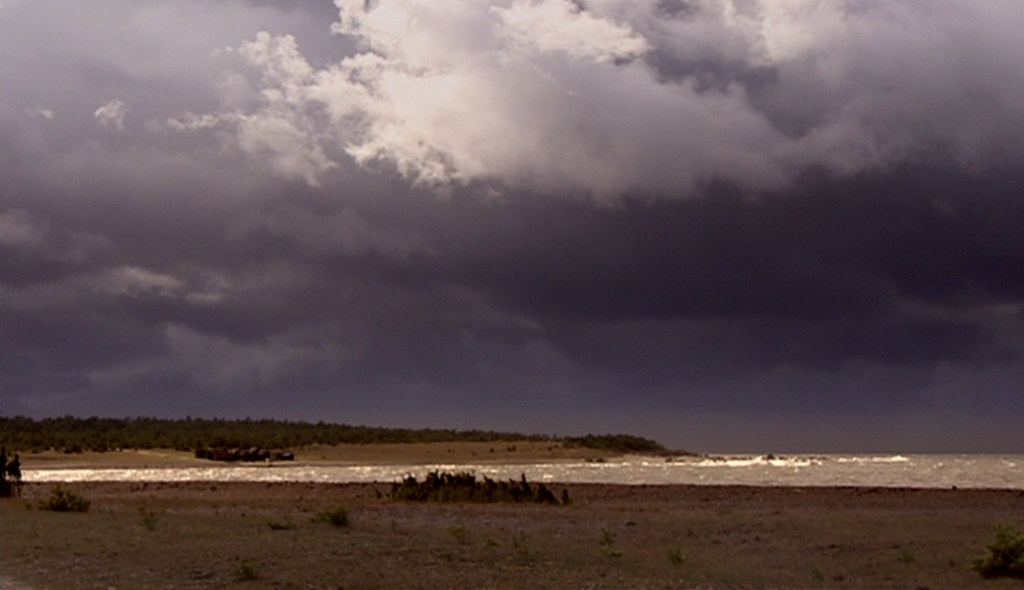
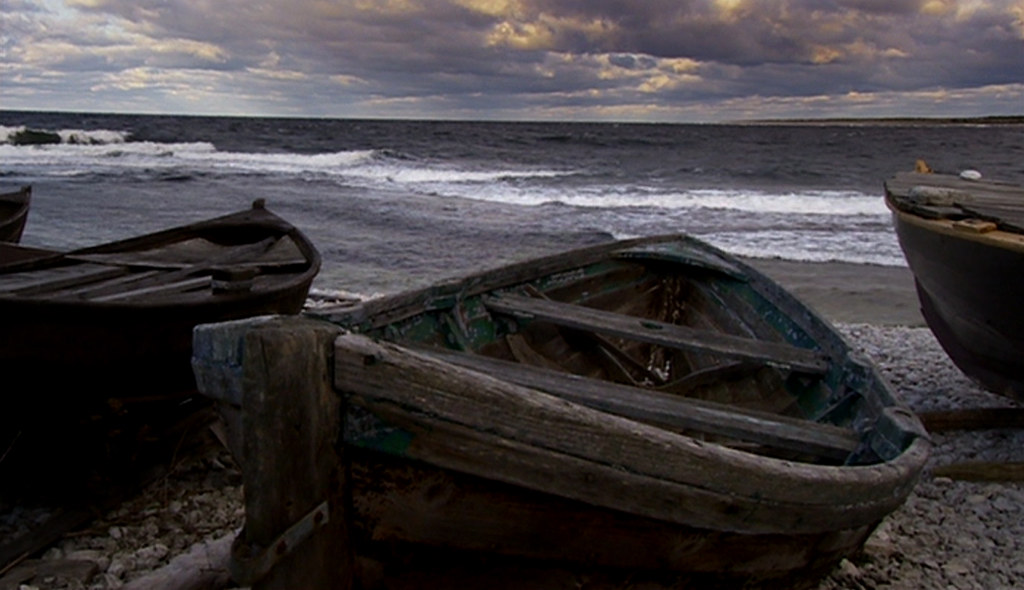
images by tarrl lightowler

Monday, June 20, 2011

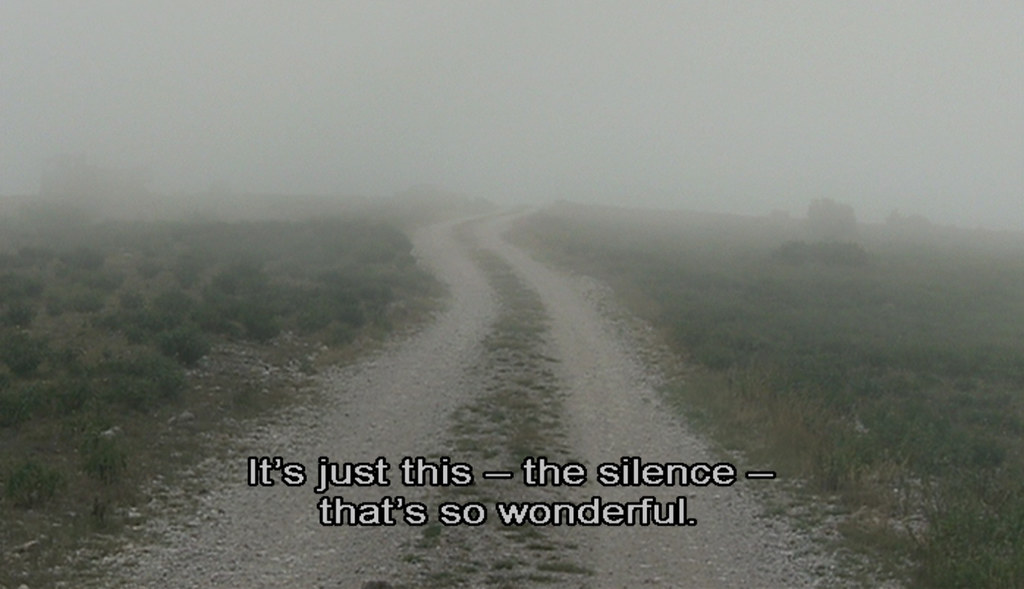
såsom i en spegel


ingmar bergman - through a glass darkly - 1961
cinematography by sven nykvist

classic drone series
sound, sound design, music in film


corne de brume / une certaine eau


*****

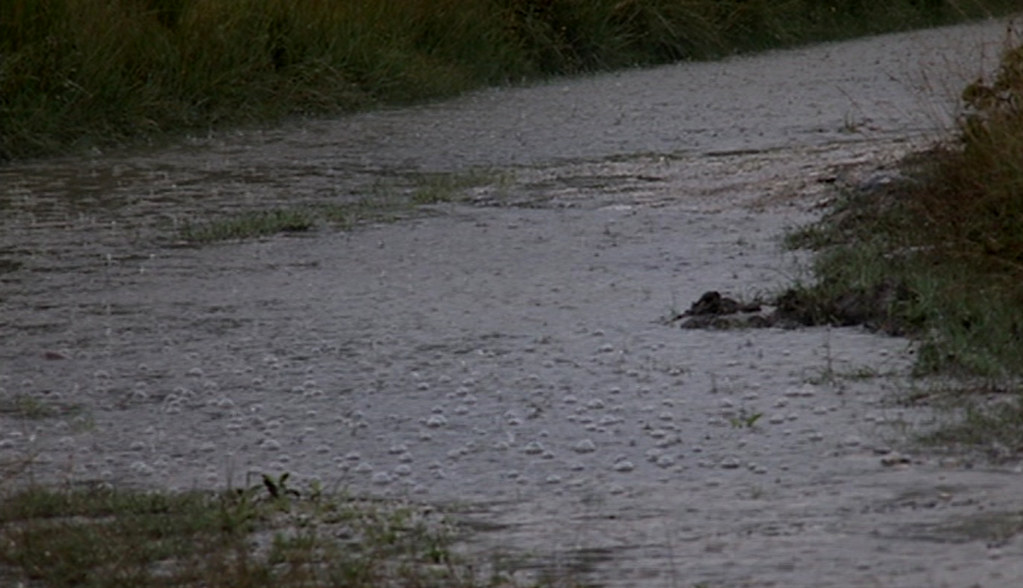
water, fog horn, stones, rain, j.s. bach, motor
(dialogue edited out)

sound - staffan dalin, stig flodin
music - j.s. bach, erik nordgren

Saturday, June 18, 2011

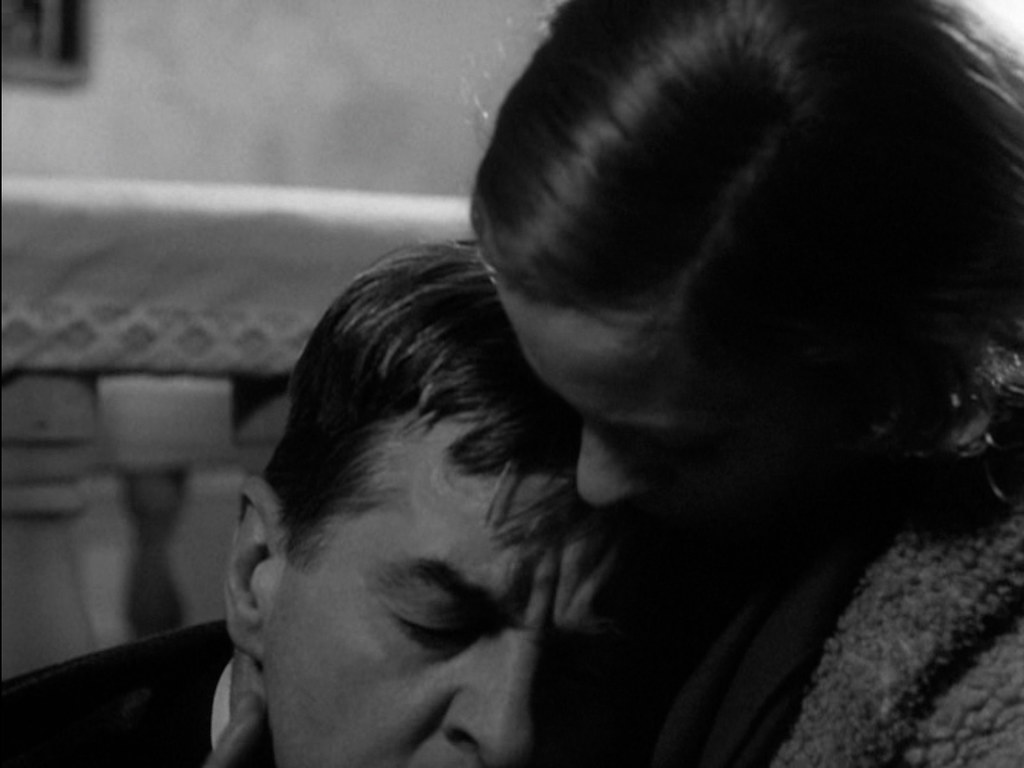
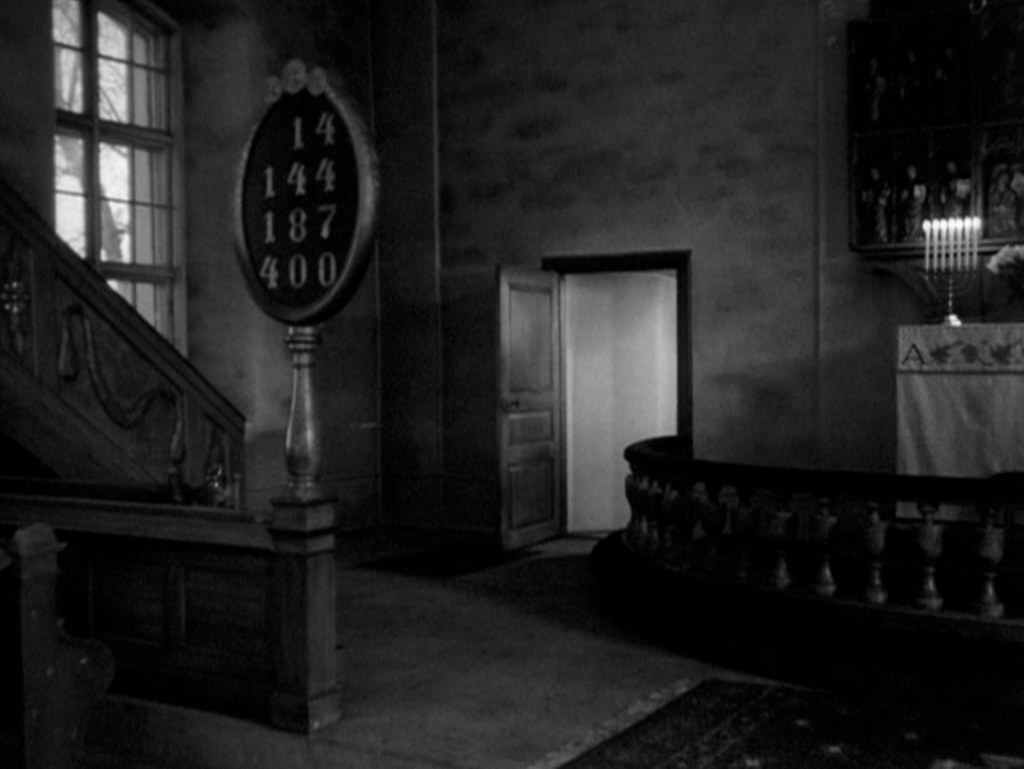
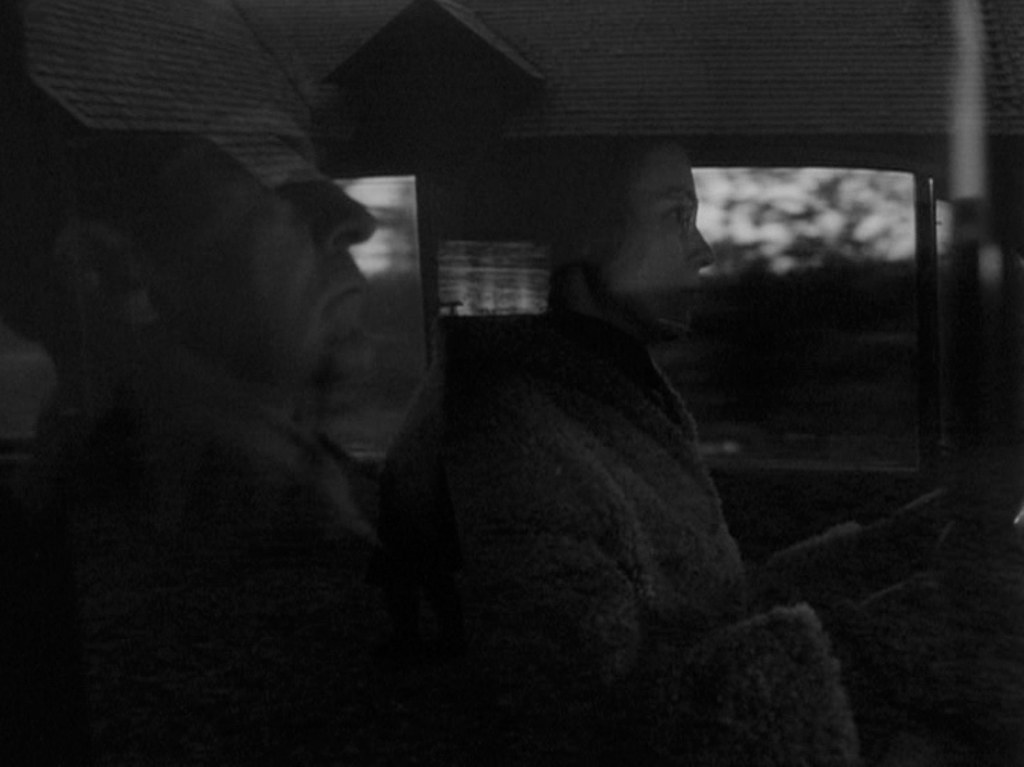
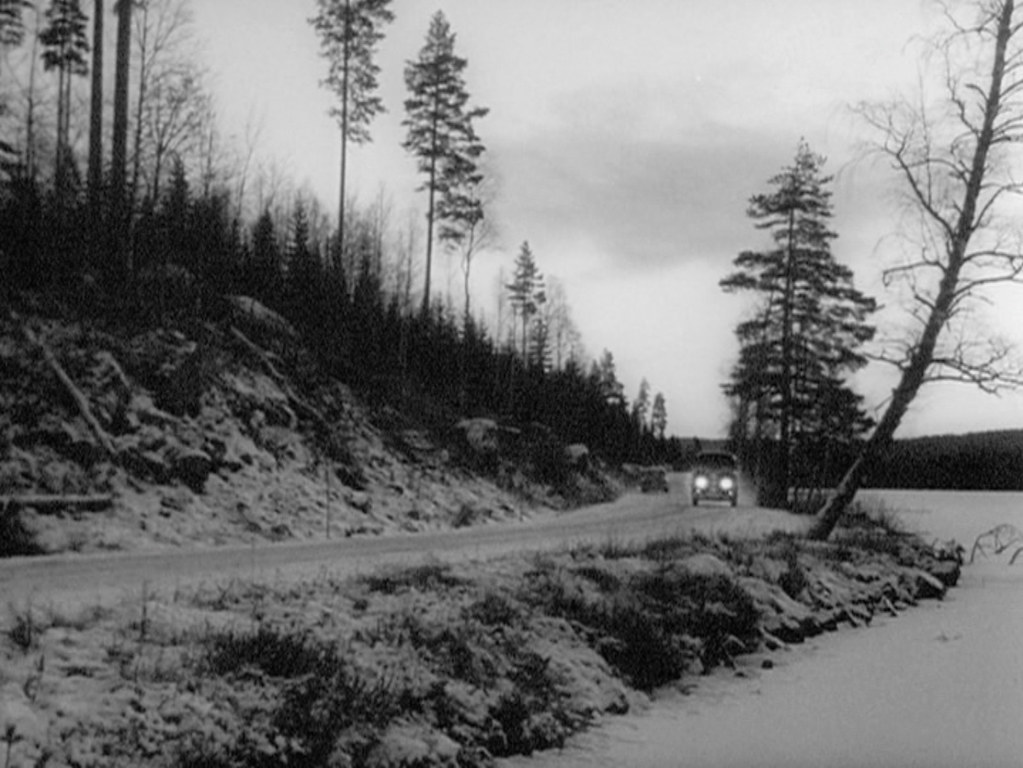
nattvardsgästerna


ingmar bergman - winter light - 1963
cinematography by sven nykvist

classic drone series
sound, sound design, music in film


jonas persson est mort / une certaine eau


*****

sound effects - evald andersson
sound - stig flodin & brian wikström

Sunday, September 19, 2010

ib - lw


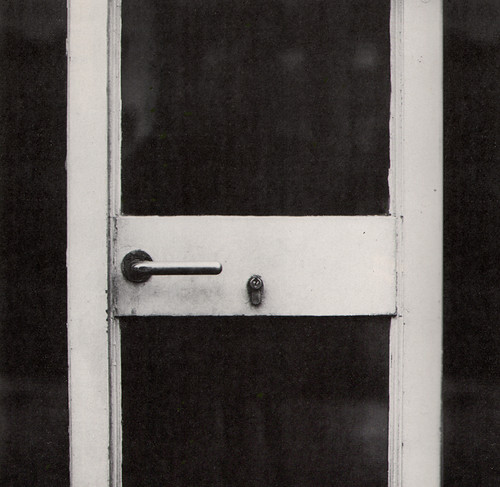
looking at bergman's film thirst* through the eyes of the b&w documentation of the wittgenstein house
found in the books:
- bernhard leitner - the architecture of ludwig wittgenstein: a documentation - n.y.u. press - 1976
- paul wijdeveld - ludwig wittgenstein, architect - mit - 1994 (the pepin press - 2000)
- bernhard leitner - the wittgenstein house - princeton arch. press - 2000

*not a great film, but i liked much of the photography

Tuesday, September 7, 2010

ib


i see them mia
over there, under the dark, stormy sky.
they're all there
and death, the grim master, bids them dance.
he commands them to hold hands
and dance in a long line.
the stern master leads the way with his scythe and hourglass.
but skat dangles at the end with his lyre.
they dance away from the dawn
in a solemn dance,
away to the dark country,
while the rain runs down their faces
and washes away their salty tears.

the seventh seal


*********


black milk of daybreak we drink it at evening
we drink it at midday and morning we drink it at night
we drink and we drink
we shovel a grave in the air there you won't lie too cramped
a man lives in the house he plays with his vipers he writes
he writes when it grows dark to deutschland your golden hair marguerite
he writes it and steps out of doors and the stars are all sparkling
he whistles his hounds to come close
he whistles his jews into rows has them shovel a grave in the ground
he orders us strike up and play for the dance

black milk of daybreak we drink you at night
we drink you at morning and midday we drink you at evening
we drink and we drink
a man lives in the house he plays with his vipers he writes
he writes when it grows dark to deutschland your golden hair margeurite
your ashen hair shulamith we shovel a grave in the air there you won't lie too cramped
he shouts jab this earth deeper you lot there you others sing up and play
he grabs for the rod in his belt he swings it his eyes are blue
jab your spades deeper you lot there you others play on for the dancing

black milk of daybreak we drink you at night
we drink you at midday and morning we drink you at evening
we drink and we drink
a man lives in the house your goldenes haar margeurite
your aschenes haar shulamith he plays with his vipers
he shouts play death more sweetly death is a master from deutschland
he shouts scrape your strings darker you'll rise then in smoke to the sky
you'll have a grave then in the clouds there you won't lie too cramped

black milk of daybreak we drink you at night
we drink you at midday death is a master aus deutschland
we drink you at evening and morning we drink and we drink
this death is ein meister aus deutschland his eye it is blue
he shoots you with shot made of lead shoots you level and true
a man lives in the house your goldenes haar margarete
he looses his hounds on us grants us a grave in the air
he plays with his vipers and daydreams
der tod is ein meister aus deutschland
dein goldenes haar margarete
dein aschenes haar shulamith

death fugue

Sunday, February 28, 2010

ingenting, and there is nothing


one (demon) could be called the "demon of nothingness."
this is quite simply...
...when my creativity or my imagination... abandons me.
it means that things go totally silent, get totally empty.
and there's nothing (ingenting) there.

but that has never happened to me...
...which is something for which i'm profoundly grateful.


bergman discussing demons and nothingness
in marie nyreröd's
bergman's island - 2004
plus images of fårö

Friday, April 4, 2008

robert bresson, ingmar bergman, free from all impurities


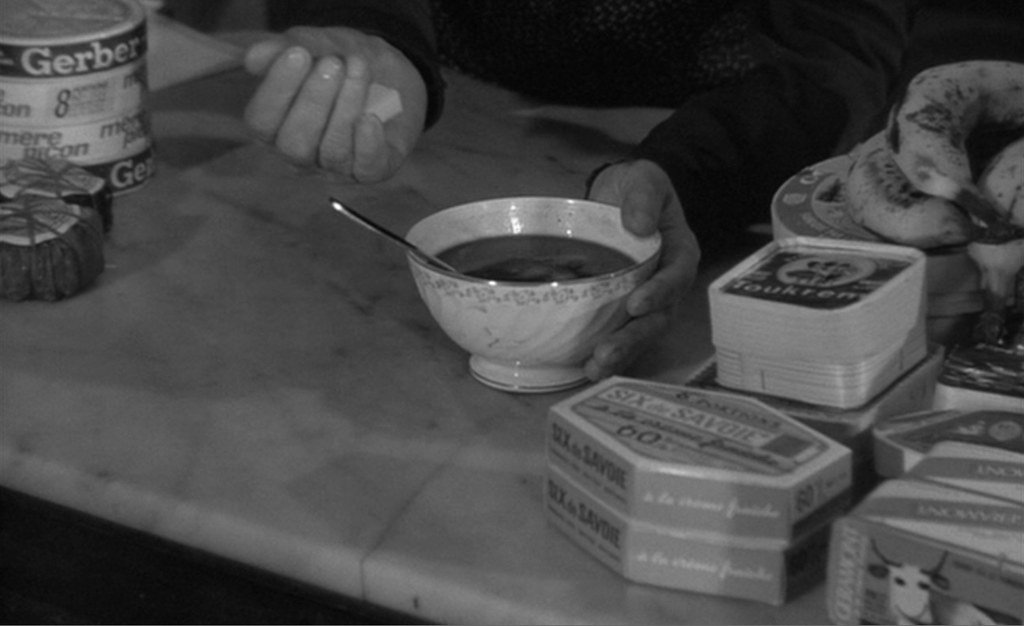
coffee in mouchette


i felt a strong affinity with bernanos' and bresson's mouchette. it's a film i would have liked to have made myself, but which i didn't understand. in mouchette the motif is expressed clearly and explicitly, free from all impurities. the girl in mouchette and the girl in the devil's wanton are sisters, sisters in two similar worlds.
but while the devil's wanton is full of quirks and divagation and coquetry and jumps about all over the place. mouchette is clear as daylight. it's a pure work of art. the religious motif only comes in for a moment, before the titles, as one sees the girl sitting there crying, and she says- "how will they manage without me?" how are you to manage without the saint, without the person who bears your sufferings? just for a moment- and then all the rest of the film is completely undogmatic.
i'm also tremendously fond of the diary of a country priest, one of the most remarkable works ever made. my winter light was very much influenced by it.

(pages 43-44 from bergman on bergman: interview with ingmar bergman by stig björkman, torsten manns and jonas sima, da capo press, 1993)


also, see deakins
post

Sunday, March 16, 2008

robert bresson, andrei tarkovsky, very few means of expression


while doing roublev i forced myself to be very hard and very dry, tending towards a sort of olympic calm that, for me, is the major quality of the art of directing a film. so i might as well as tell you that i'm very fond of bresson. page 30

in paris, i have asked to meet bresson. we have nothing in common, but he's one of the best directors i know. i want to see him, to see his face, to see how he talks. i have no questions to ask him, he himself suffices for me... he uses very few means of expression, nobody ever has reached such a degree of asceticism. page 45

the film clips which i am showing represent what is closest to my heart. they are examples of a form of thought and how this thought is expressed through film. in bresson's mouchette the way in which the girl commits suicide is particularly striking. page 78

in fact i consider robert bresson the best filmmaker in the world. i have only the greatest respect for him. not counting that, i actually don't see many resemblances between us. he's able to cut down a shot in a way that i can't; it would be for me like killing a living being. page 182

from andrei tarkovsky: interviews, 2006


i now know two directors who worked with rigid self-imposed constraints to help them create a true form for the realisation of their idea; early dovzhenko (earth) and bresson (diary of a country priest). but bresson is perhaps the only man in the cinema to have achieved the perfect fusion of the finished work with a concept theoretically formulated beforehand. i know of no other artist as consistent as he is in this respect. his guiding principle was the elimination of what is known as 'expressiveness', in the sense that he wanted to do away with the frontier between the image and actual life; that is, to render life itself graphic and expressive. no special feeding in of material, nothing laboured, nothing that smacks of deliberate generalisation. paul valéry could have been thinking of bresson when he wrote: 'perfection is achieved only by avoiding everything that might make for conscious exaggeration.' apparently no more than modest, simple observation of life. pages 94-95
you will always recognize the editing of bergman, bresson, kurosawa or antonioni; none of them could ever be confused with anyone else, because each one's perception of time, as expressed in the rhythm of his films, is always the same. page 121

from andrei tarkovsky: sculpting in time, 1986