Showing posts with label michael snow. Show all posts

Saturday, September 16, 2017

plato's cave forty eight (being a film journal) it is happening again

Mark Frost and David Lynch - Twin Peaks: The Return - 2017
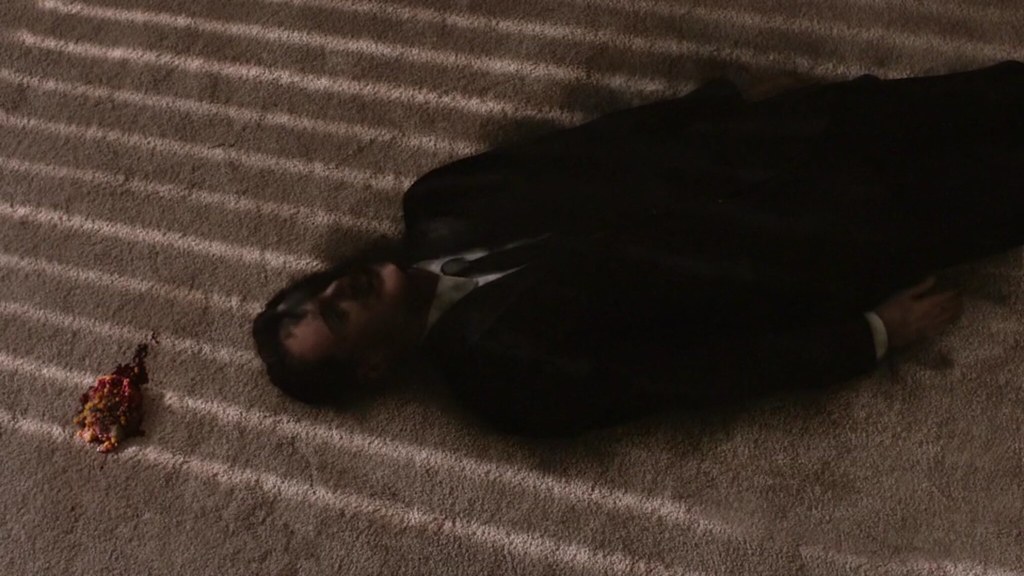
Seascapes, Avant-Garde Scrub editing and Transcendental Electricity in Part Three
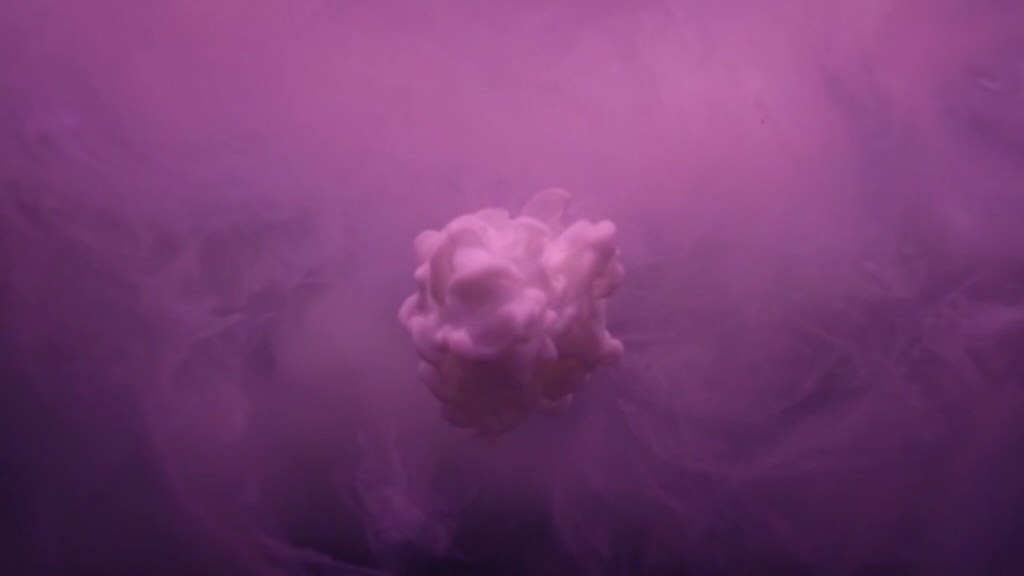
Purple burst of liquid light transcends to Sugimoto / Vija Celmins / Michael Snow like
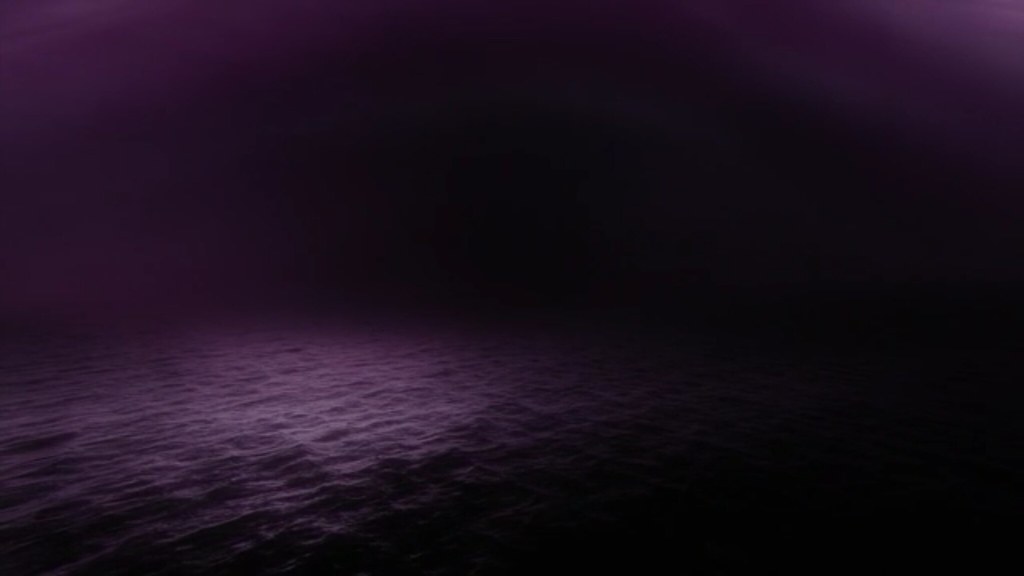
Seascapes with a bass heavy oceanic drone not unlike Thomas Köner.  Nearness & Infinity.

Hiroshi Sugimoto Lake Superior, Cascade River - 1995
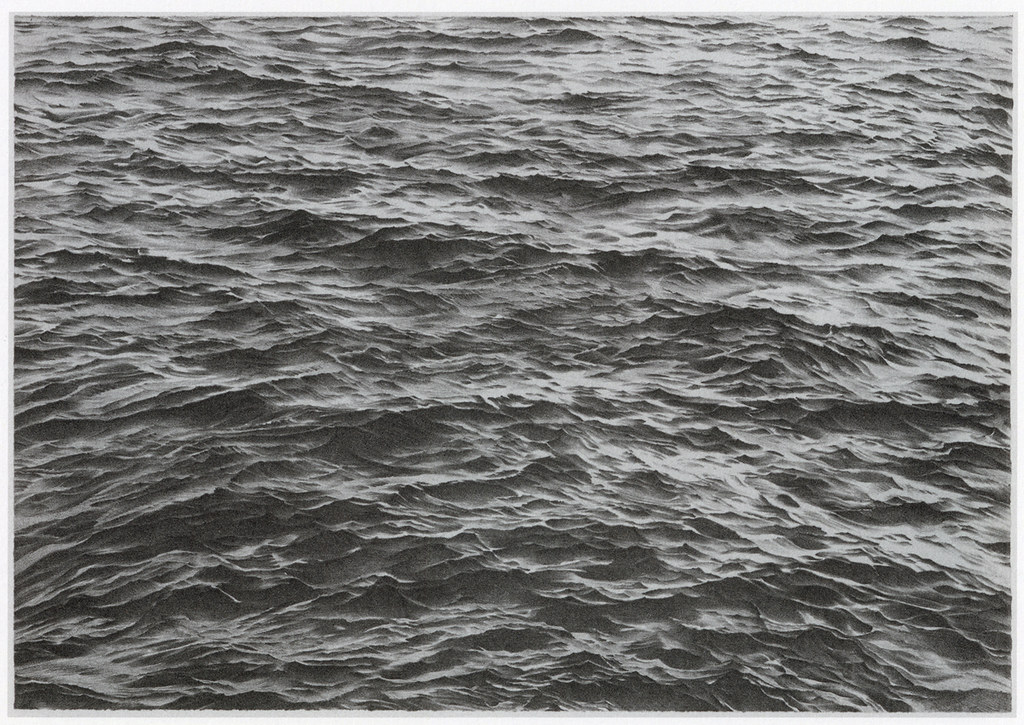
Vija Celmins Untitled Ocean - 1970
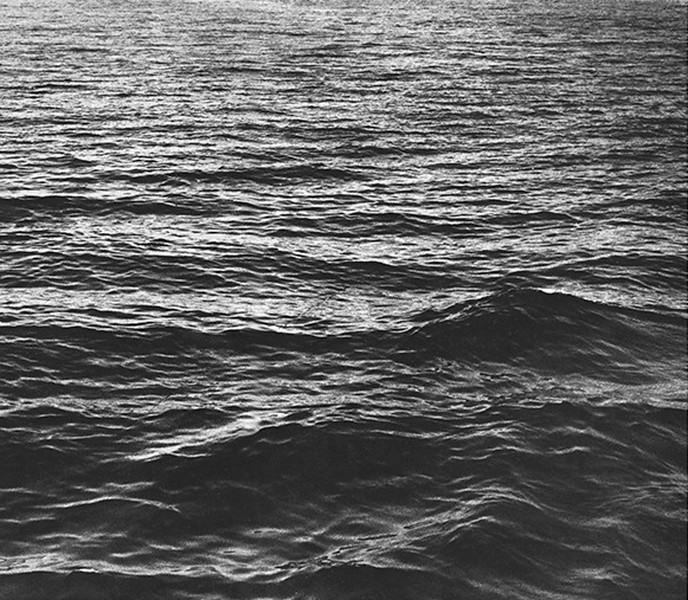
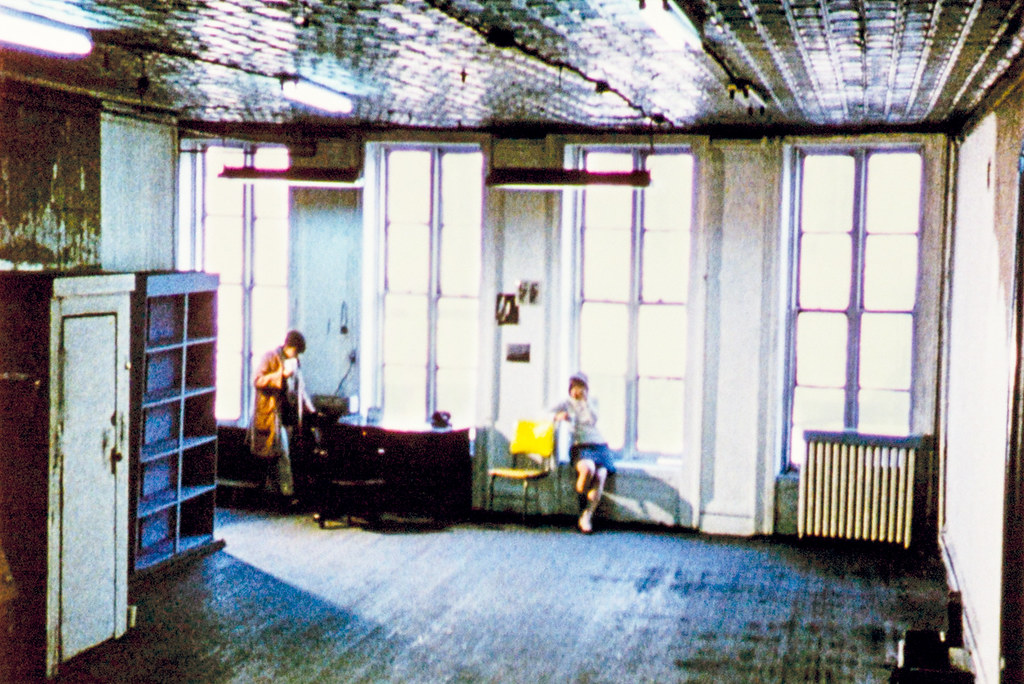
Michael Snow Wavelength - 1967

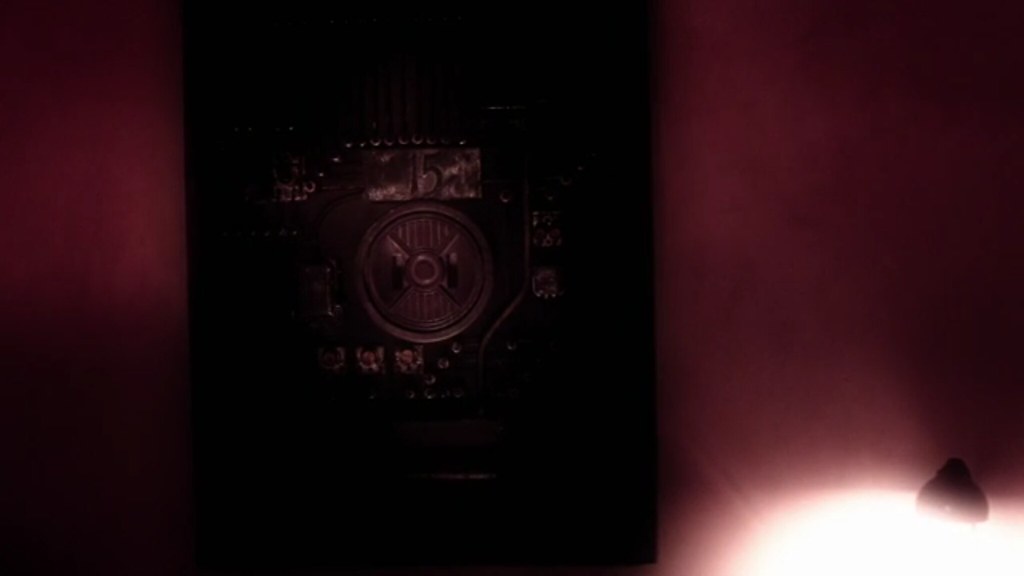
Scrub editing by Duwayne Dunham and David Lynch. I have never seen editing quite like this. The edits move freely through the shots like a scrubbing tool or a disc jockey scratching a vinyl record, back and forth, sometimes fluid, sometimes not. Visual ellipsis, like parts of the film got destroyed and edits needed to be made (P. Adam Sitney on the films of Joseph Cornell). In addition; foreign shots are added in, interrupting and causing havoc, in these already scrubbed moments. Scrubs go between being smooth and hypnotic to jarring and nearing out of control. This editing effect is used to an astounding effect in Part Eight, especially around the gas station/convenience store, but basically introduced in this section with Cooper and Naido. One of the outstanding achievements in this new series is the disorienting editing techniques used. People disappearing in flickers also appears numerous times. The history of avant-garde film has unconventional editing techniques more commonplace; works by Kurt Kren, Saul Levine or Peter Kubelka, but here the subtleties and complexities of this scrub technique (for lack of a better word) is quite novel. In addition, seeing these techniques in television is really quite crazy even with all the unconventional tv of the day.
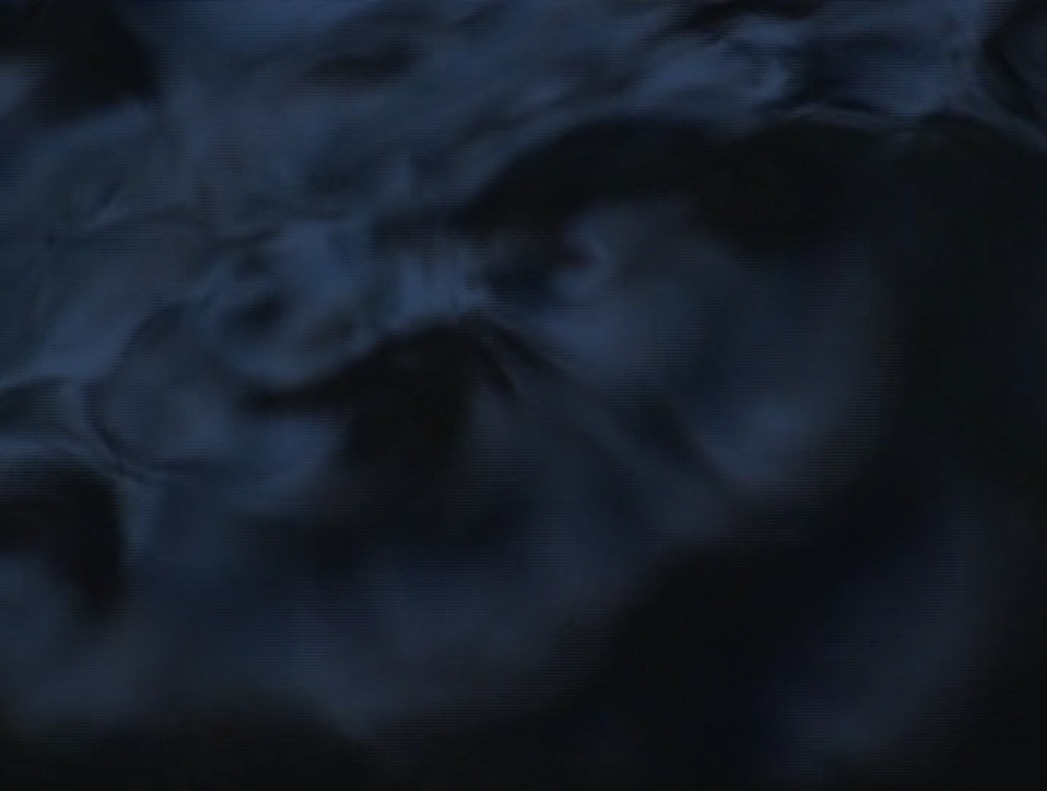
If one looks close at these techniques an attempts a description; we start a slow zoom into a character (Naido), with edits here and there to remove frames, interrupted with reversing back to a previous part of the zoom, again interrupted with edits. Camera movements and hard cuts between different camera set ups further extend this technique. The overall feeling of a solid decision is present, no randomness… this decision adds such gravity to the editing. Lynchian drones and Badalamenti melodies are an  undercurrent to this fuckery and slowly Electricity makes itself present (last image) which has such a profound presence in this 18 hour work.
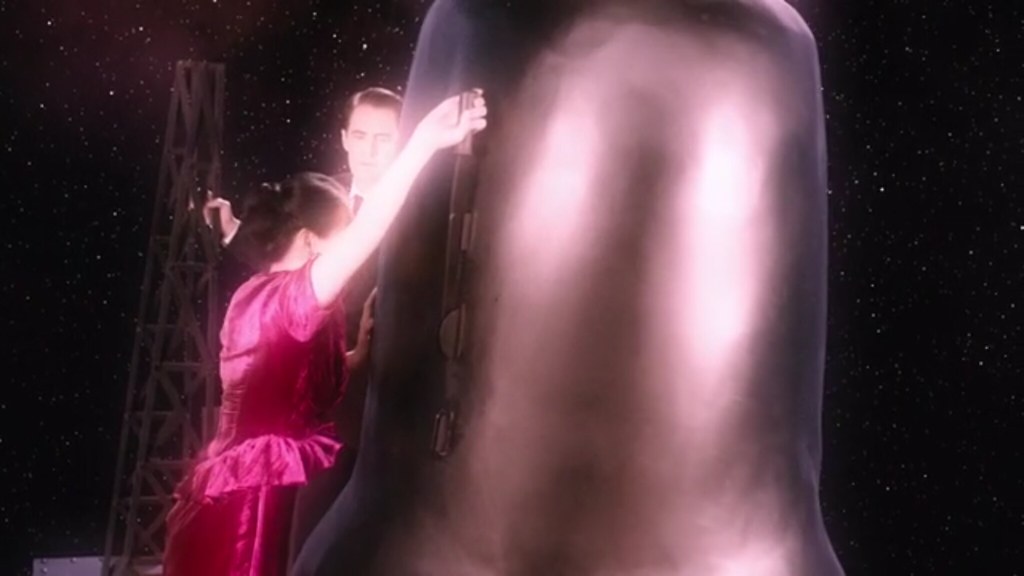
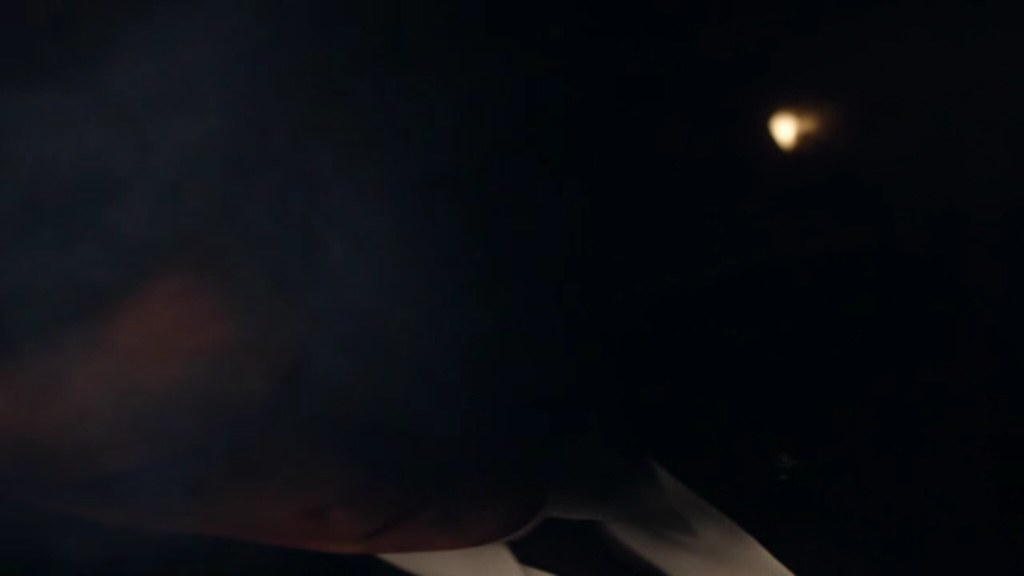
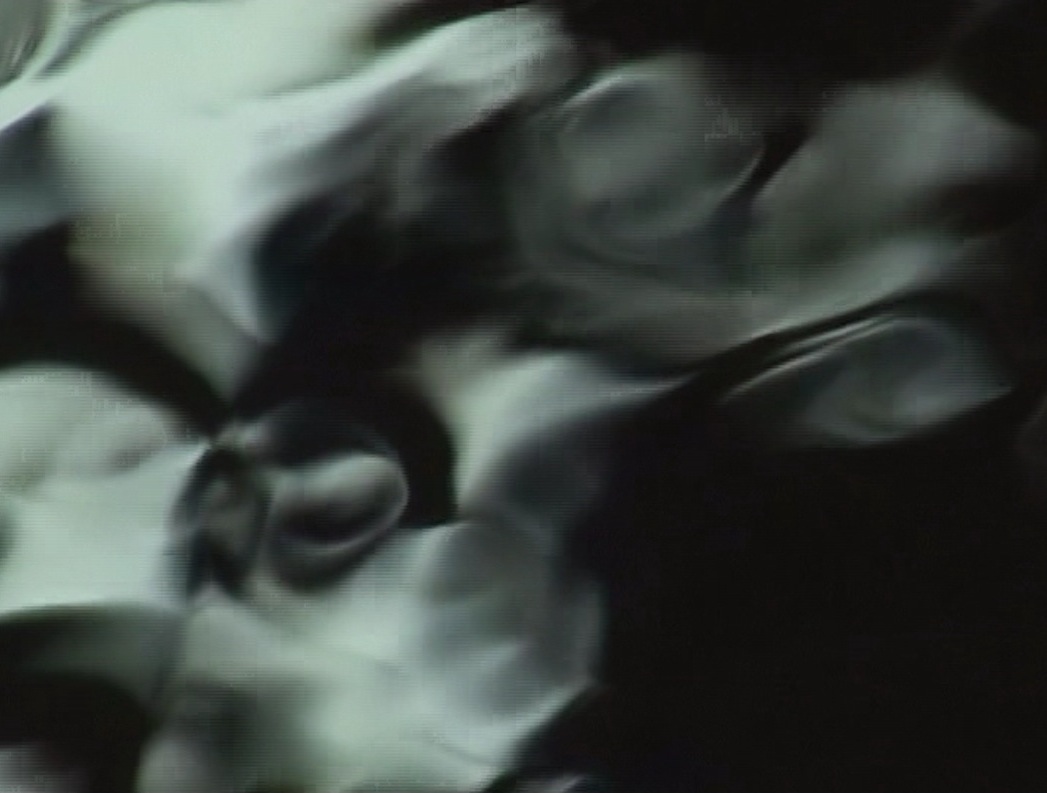
As we exit to the cosmic bell, the sound design is beyond sophistication, with distorted banging and drones followed by sonic electricity, then to near silence as Naido falls into space (second image).

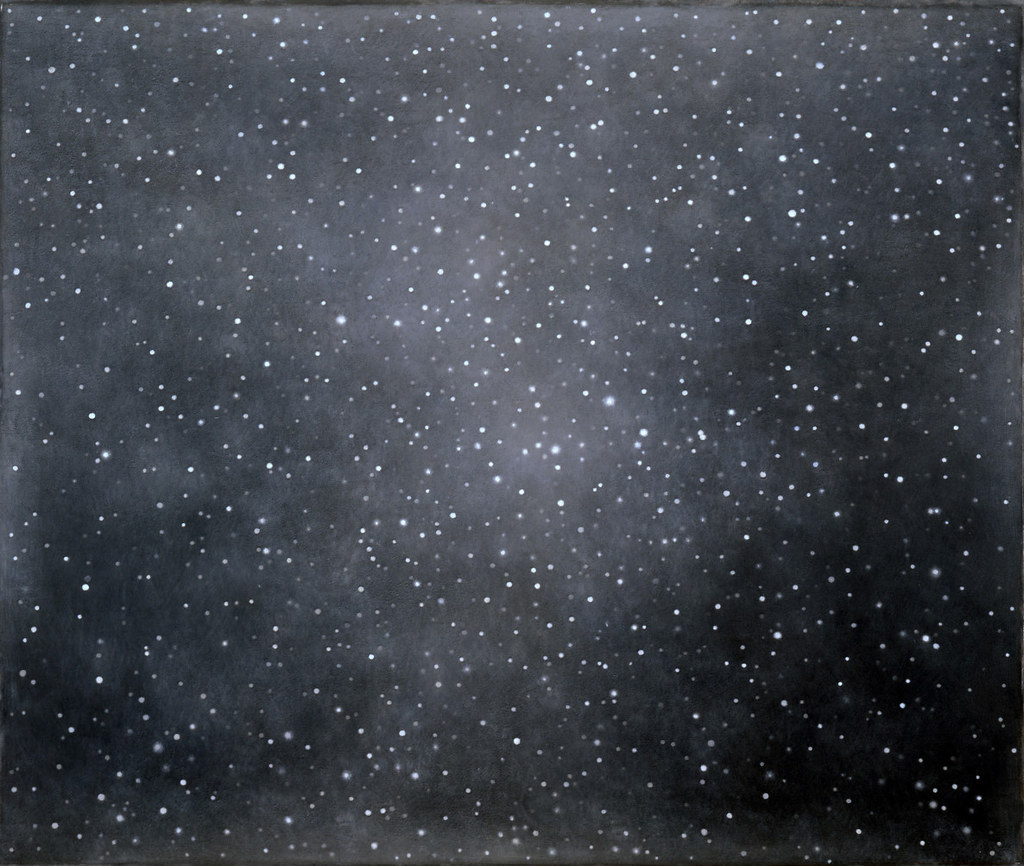
Vija Celmins Night Sky #2 - 1991

Vija Celmins  Night Sky #18 - 1998

Jules Janssen Photograph de la surface solaire * - 1884
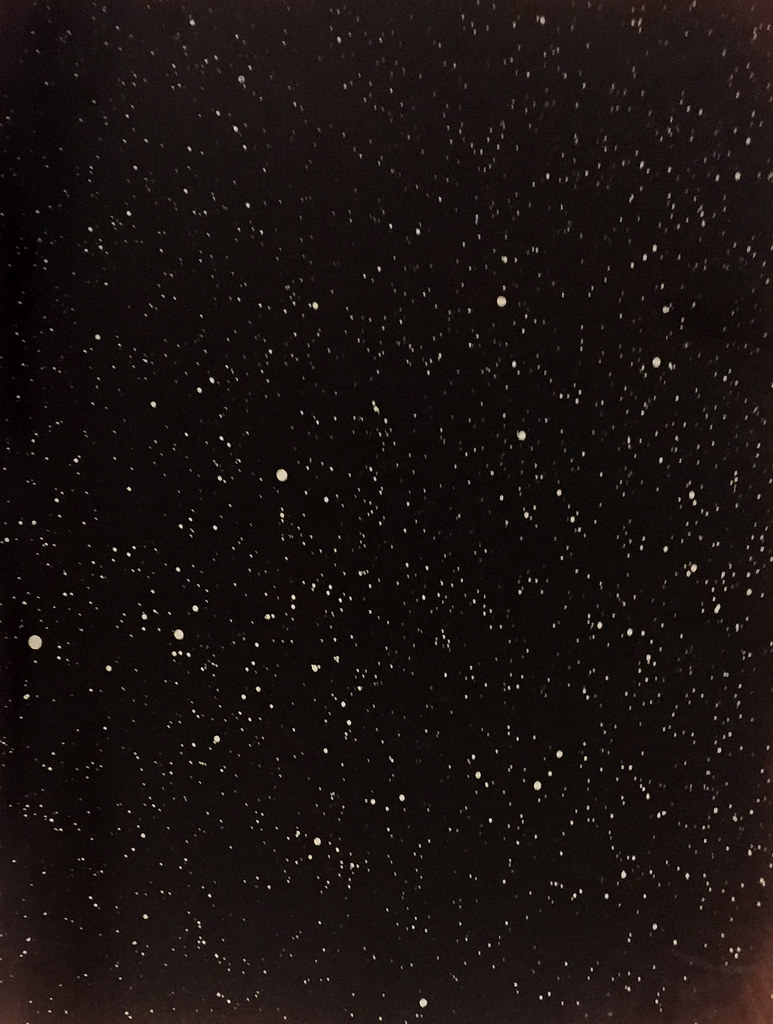
Ernest Mouchez La Photographie astronomique a l'observatoire de Paris - 1887

The scenes of Cooper and Naido in space resonate quite clearly for me as I am a follower of artist's and scientists depicting space, like Vija Celmins and early cosmos photography (see Dans le champ des étoiles. Les photographes et le ciel, 1850-2000).
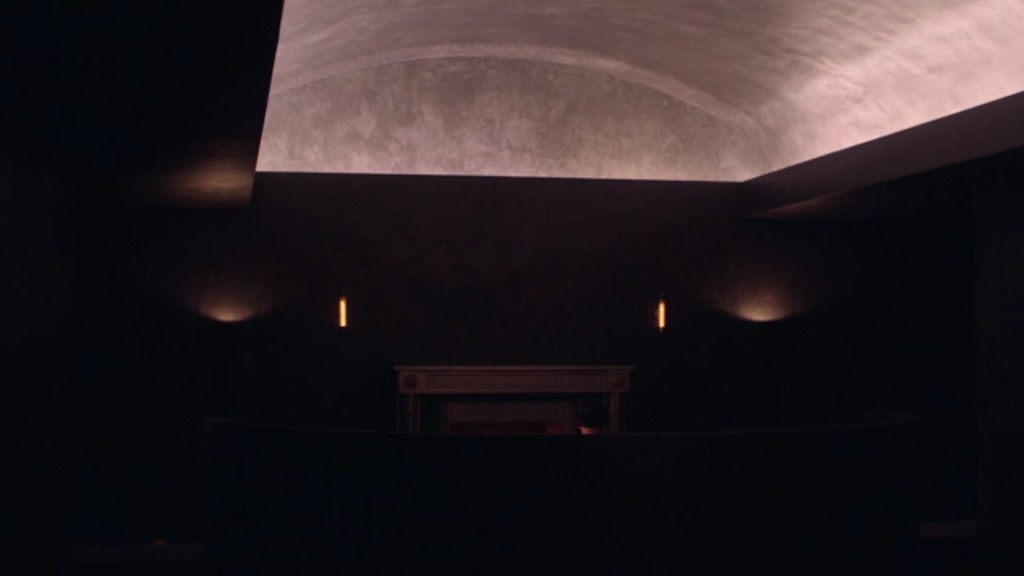
James Turrell Meeting at MoMA PS1, photo by Chi Yun
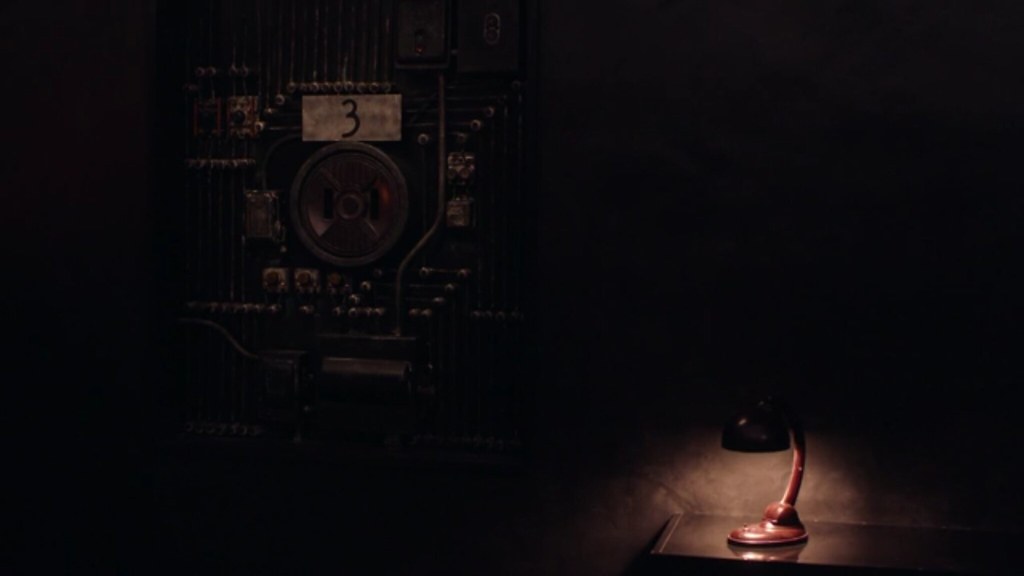
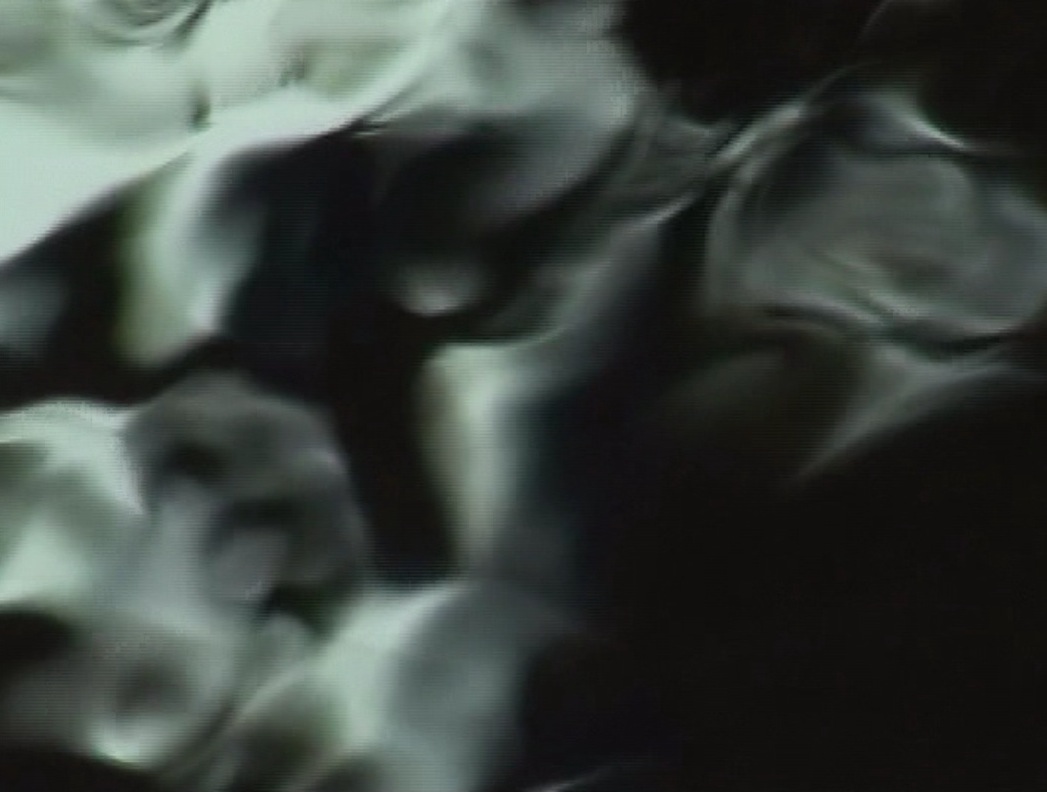
Post cosmos, we enter a James Turrell like interior, which leads us back to Electricity (third image) and a lovely ring-like tone to a deep drone.
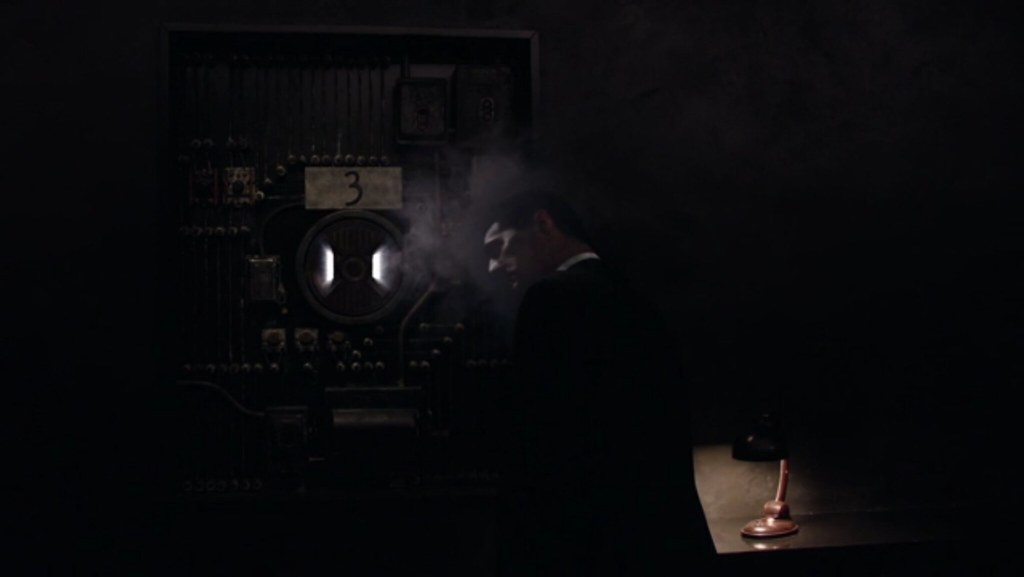
Images of Electricity
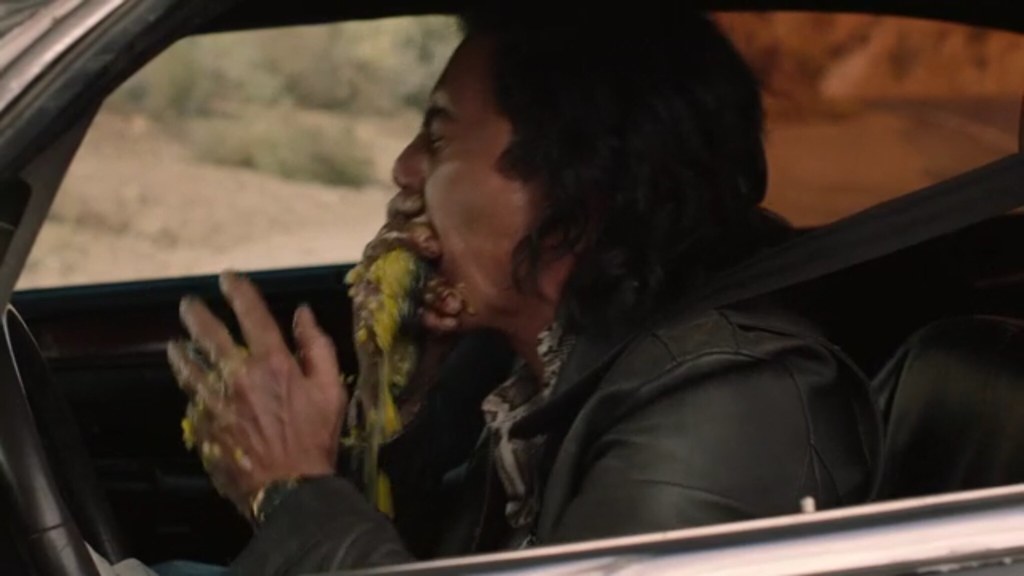
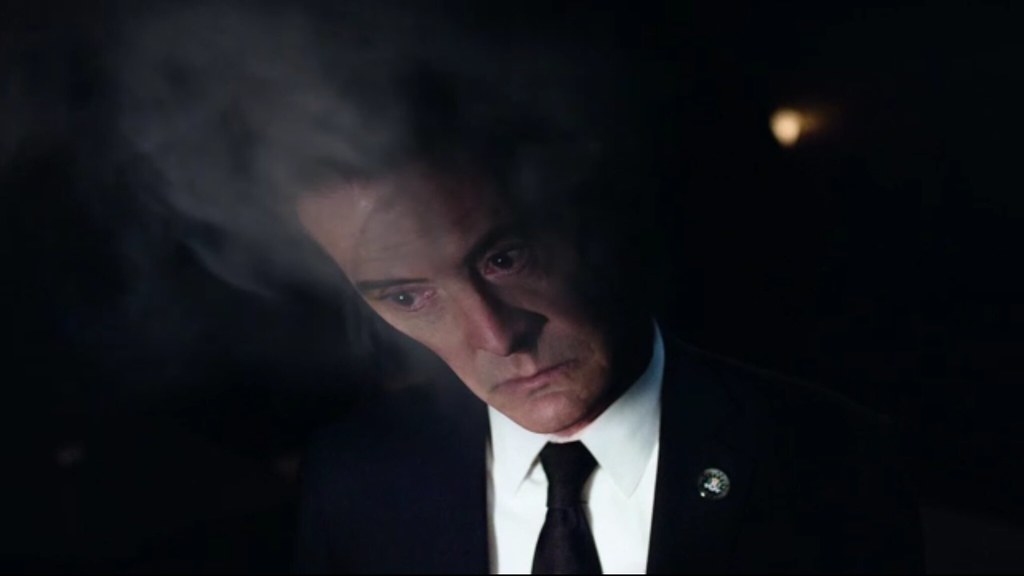
Face and body morph as Cooper moves through the outlet, rendered even more otherworldly with scrub editing.  Electricity further manifests itself with Mr. C, and then he barfs black corn Garmonbozia.
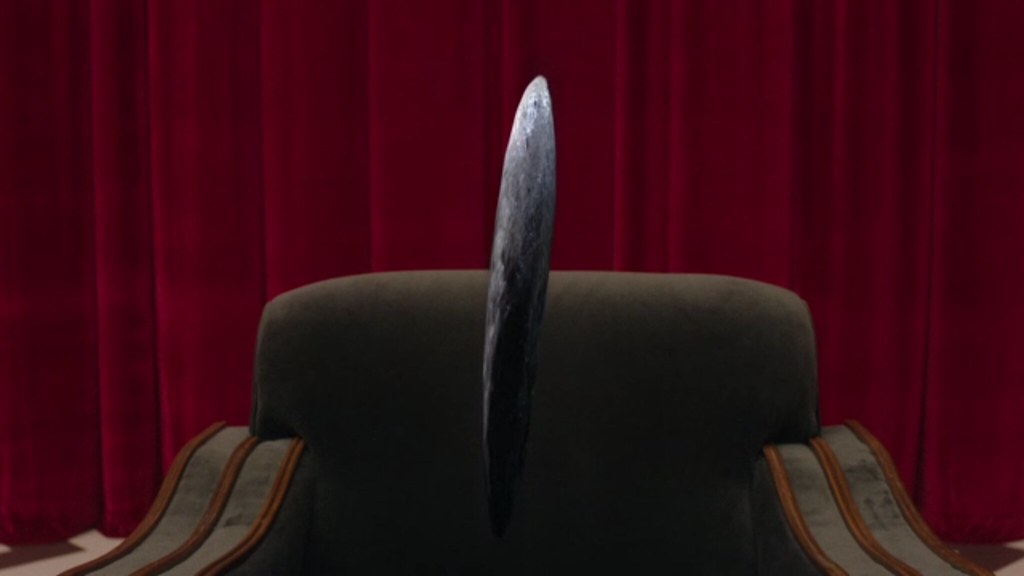
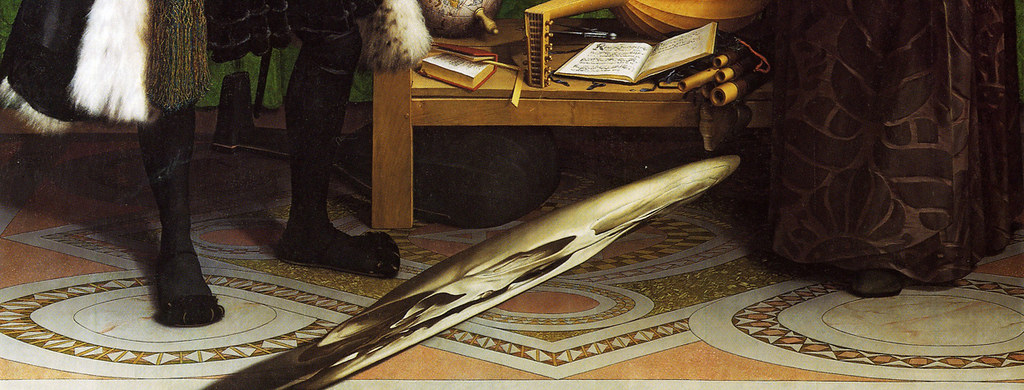
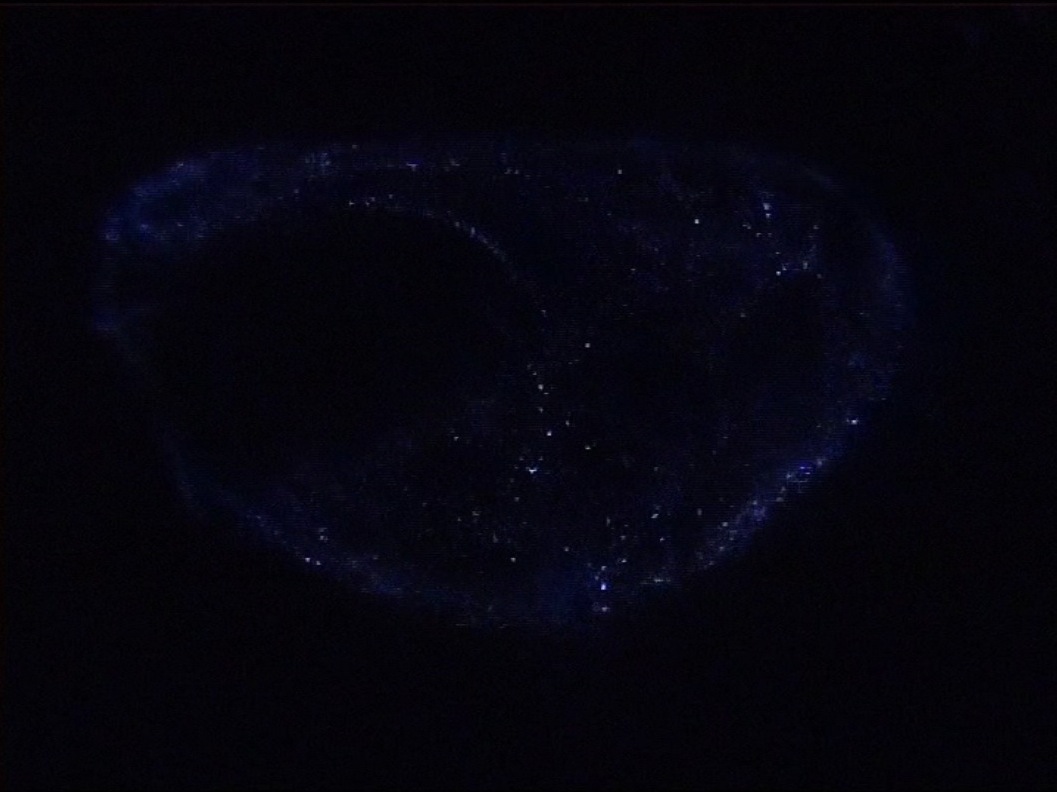
Dougie Jones electrical disintegration in the Red Room reminds of Hans Holbein anamorphic painting The Ambassadors from 1533. The strange and often times childlike special effects throughout the 18 part series are so very beautiful and novel. They are mostly very painterly, like Dougie Jones appearing as black smoke in the Rancho Rosa empty house fuck pad; Jade gives two rides (third image).

Sunday, April 30, 2017

plato's cave twenty six (being a film journal) le samouraï opening shot

jean-pierre melville - le samouraï - 1967

last evening at film forum : melville's classic le samouraï on a wonderfully/lovely worn 35mm print. the print had some evocative "ellipsis" as p. adams sitney explains when describing joseph cornell film oeuvre in the classic museum of modern art monograph published in 1980. i read it probably 20 years ago, but my memory is how sitney writes about the wear to prints as cornell constantly viewed and edited found-films in his collection, and the beauty of the ellipsis that were both necessary and non-intentional.

le samouraï i have seen many times. this was my third time on 35mm. i use to own the criterion dvd and would often watch it often. the opening sequence always reminded me of michael snow's wavelength from the same year. how very strange that they came out the same year, must have really been in the air that year to have a long take of a room, where there is so much "nothing" happening, that a viewer almost does not notice all that actually is happening. a lazy viewer of snow's film would not notice all of the activity in wavelength, and just see a slow zoom. people are coming and going, traffic sounds, the beatles song, electronic interactions... it is all very exciting. even more exciting to this viewer has always been snow's back and forth. almost like a popular 80s high school film (say fast times at ridgemont high from 1982) mixed with snow's severe mechanistic exploits.

the moment in le samouraï that has always fascinated me is about 30 something seconds into the opening static shot. the focus starts to slowly shift and there are tiny zooms in and out and we end up with a slightly wider shot that we began with, and a minimal shift in perception of the room occurs. yet this very minimal shift is like a bomb going off (at least for this viewer). i spent 20 plus years thinking about the reason for this strange business. recently found this article which has a sort of regular analysis of it. yet for me there has always been some kind of mystical experience in that slight shift. in a dark room your relationship to sound and images is drastically heightened. your perceptions change (think of james turrell's work, esp his meeting at ps1)... with the shot slightly widening, the main character becomes more apparent, but i think more than that a shift in the viewer's perception happens with that widening and something magical begins to happen, like in live music when the band hits a psychedelic crescendo that makes you feel like you are in another dimension (i recently saw supersilent and the necks live which was full of these moments).
elsewhere in the film similar shifts occur, like when jef costello is on the walkway bridge with the middleman (clip here, seen at 1 minute 8 seconds) and trouble happens.  a split second before shots are fired there is a hard cut, and the camera moves from the bridge to a distance and is moving parallel to it rapidly. again, this edit is light a bomb going off in the theater. i wonder if over-thinking these subtleties does harm to a true experience with the work?, and that one should simply accept them as a viewer and be ready to perish with the explosions?

michael snow - wavelength - 1967

Monday, August 6, 2007

camera lucida & lightstreams, jouissance

the meaning of mystery is to be always in ambiguity, with double, triple aspects; in the hints of aspects (images in images), forms which will be, or which become according to the state of mind of the beholder. all things become more suggestive because they appear.
odilon redon (from as in a dream: odilon redon)

this entry looks at the work of 3 contemporary artists working in filmic abstractions, specifically abstraction in video.

the works discussed are:
lightstreams (2005) by tarrl ligtowler
camera lucida (2002 to present) by evelina domnitch + dmitry gelfand


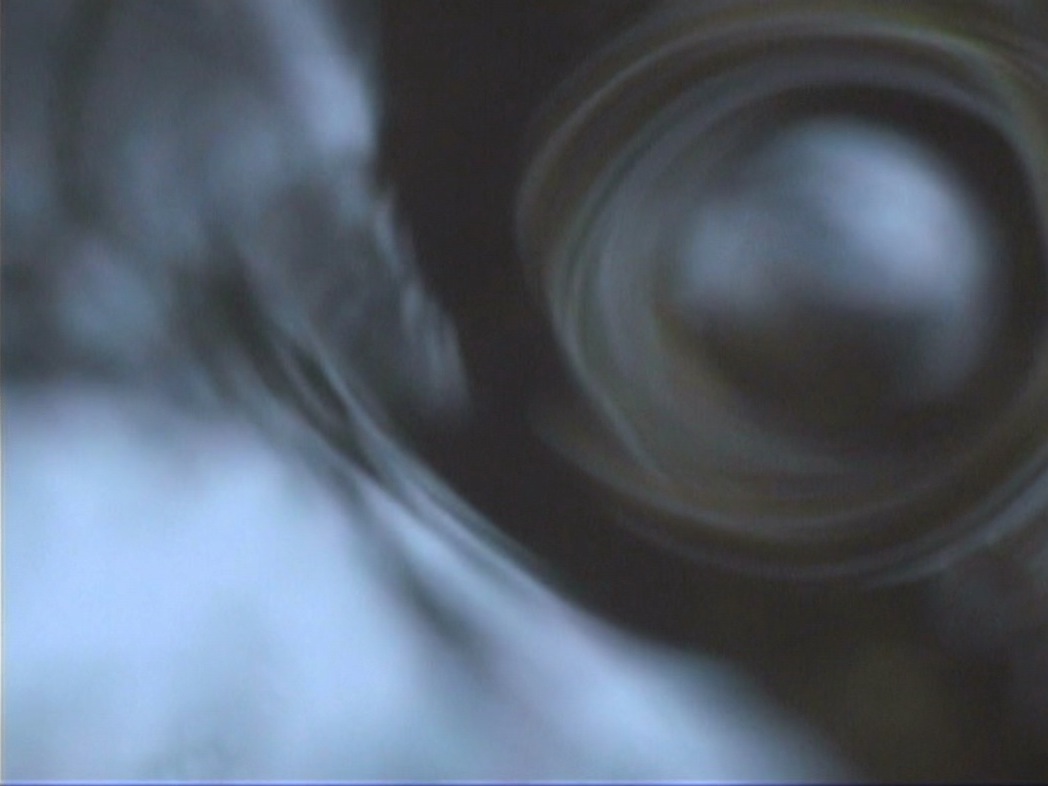
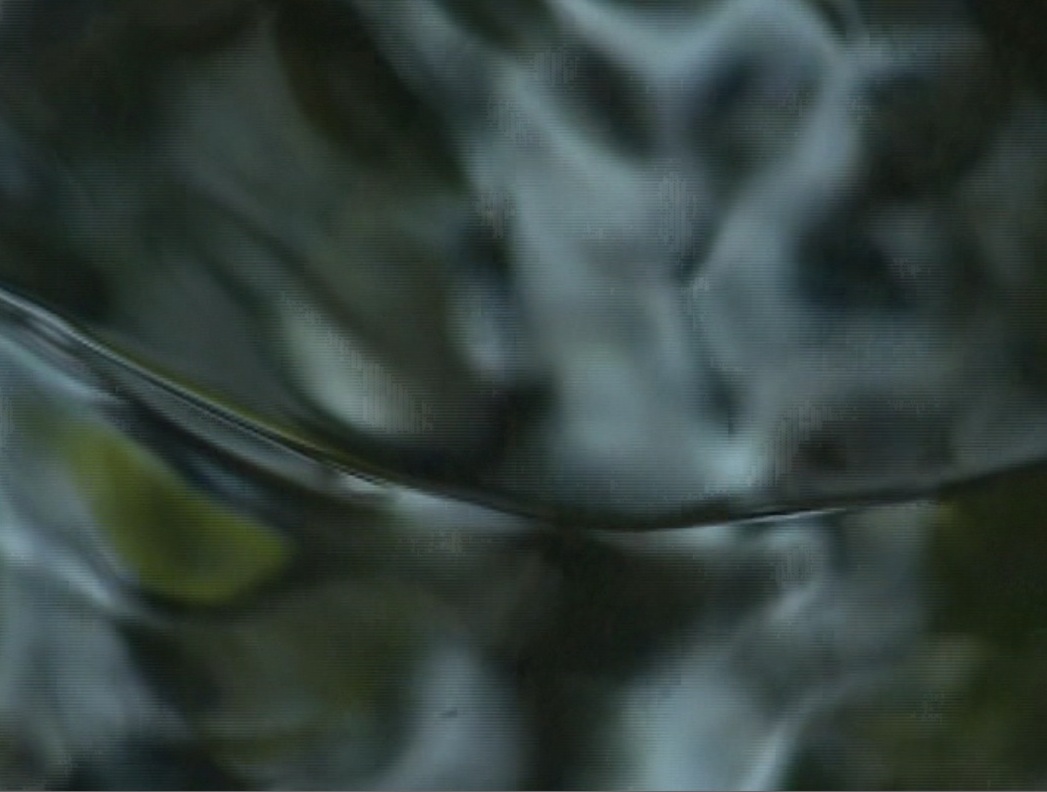
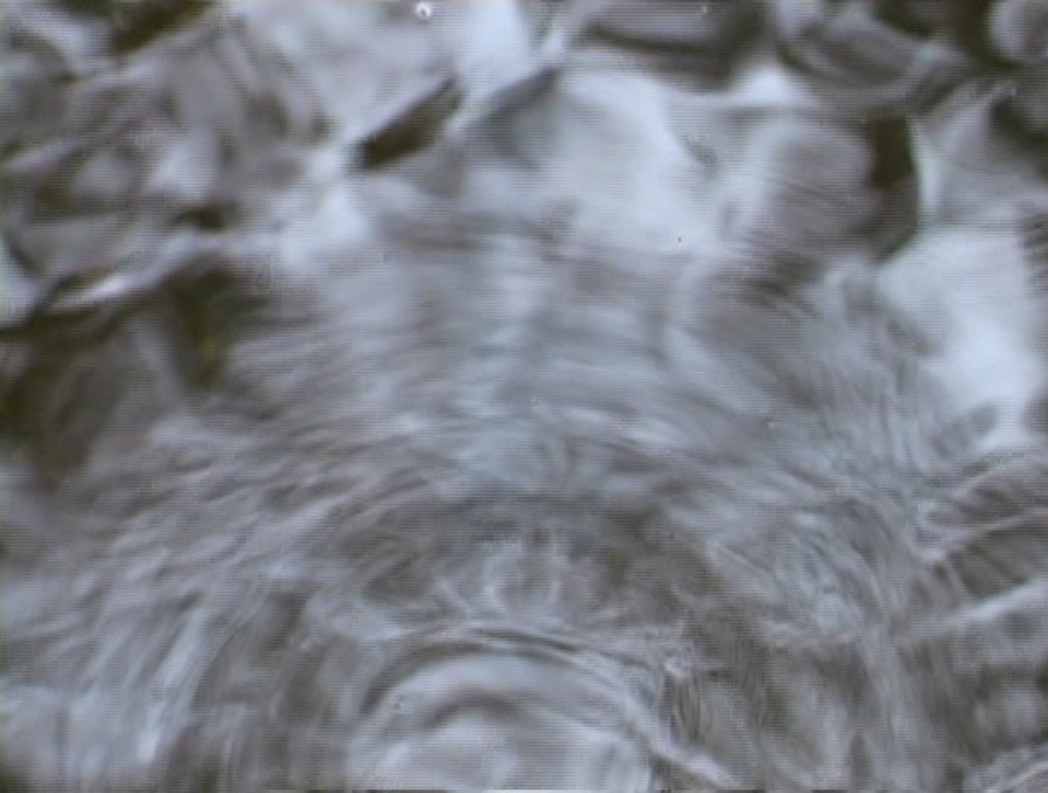
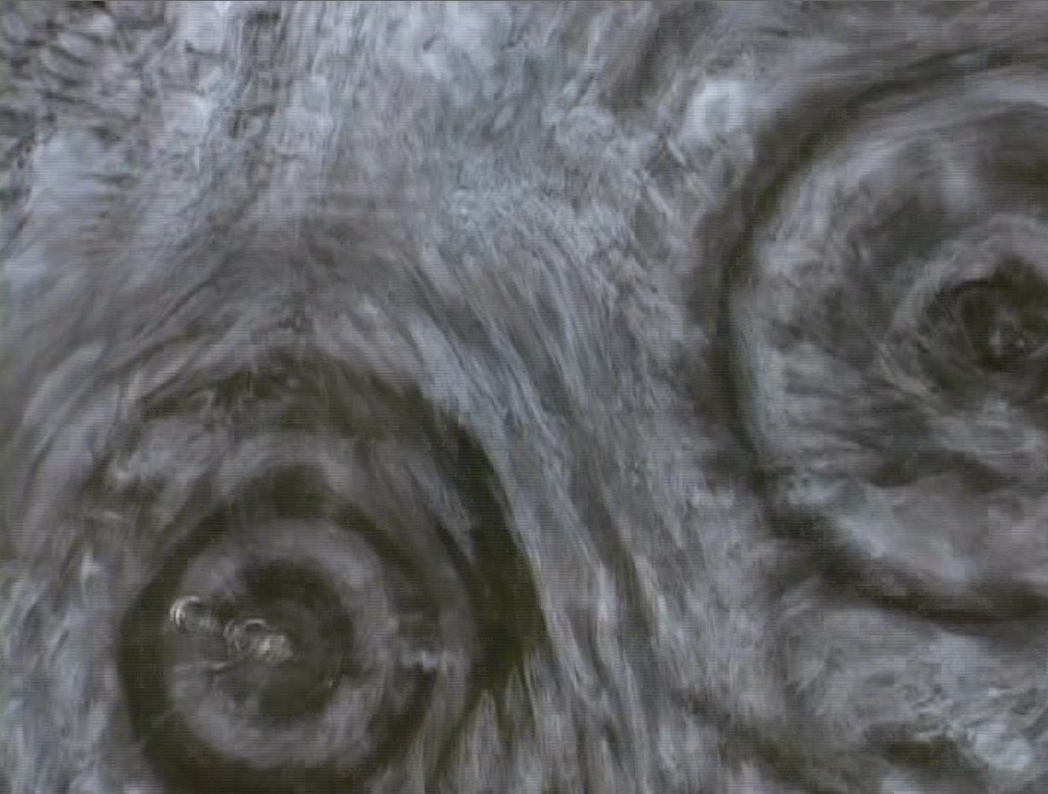
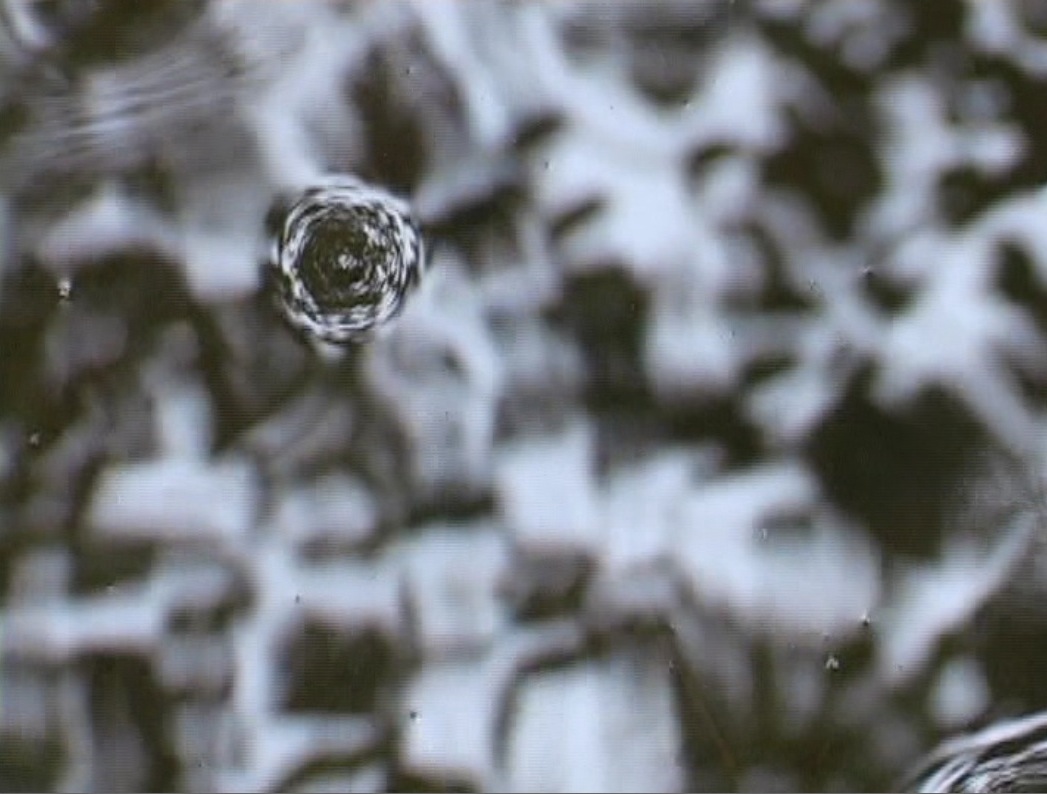
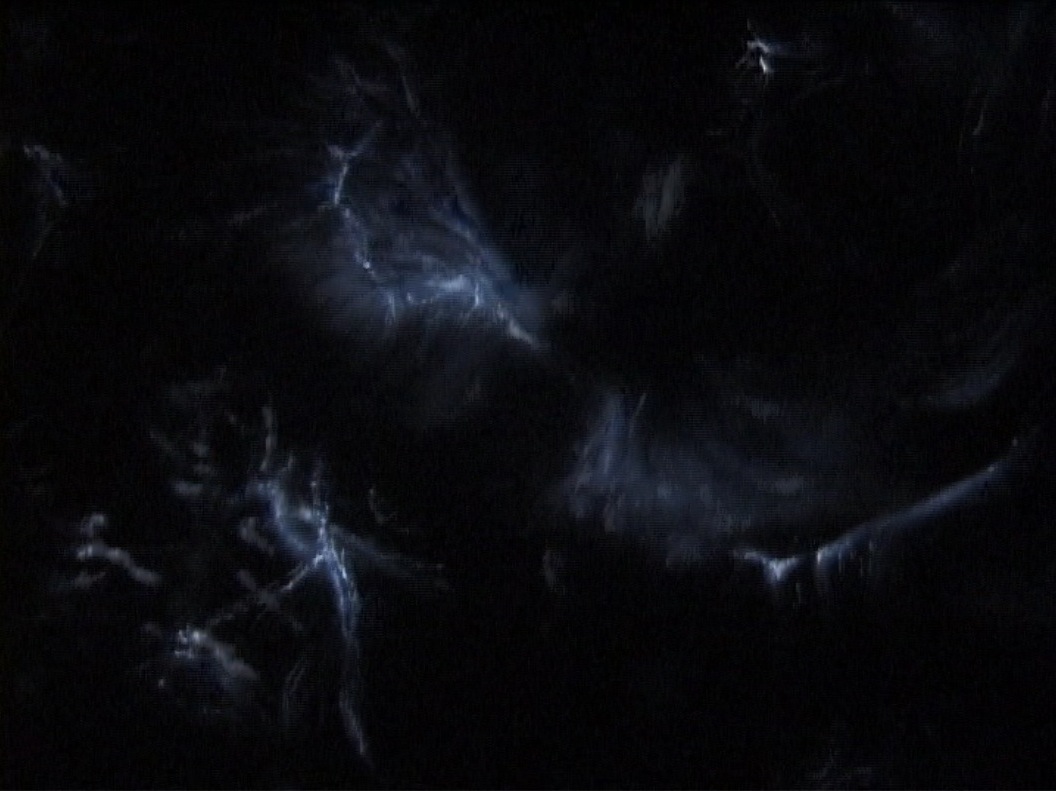
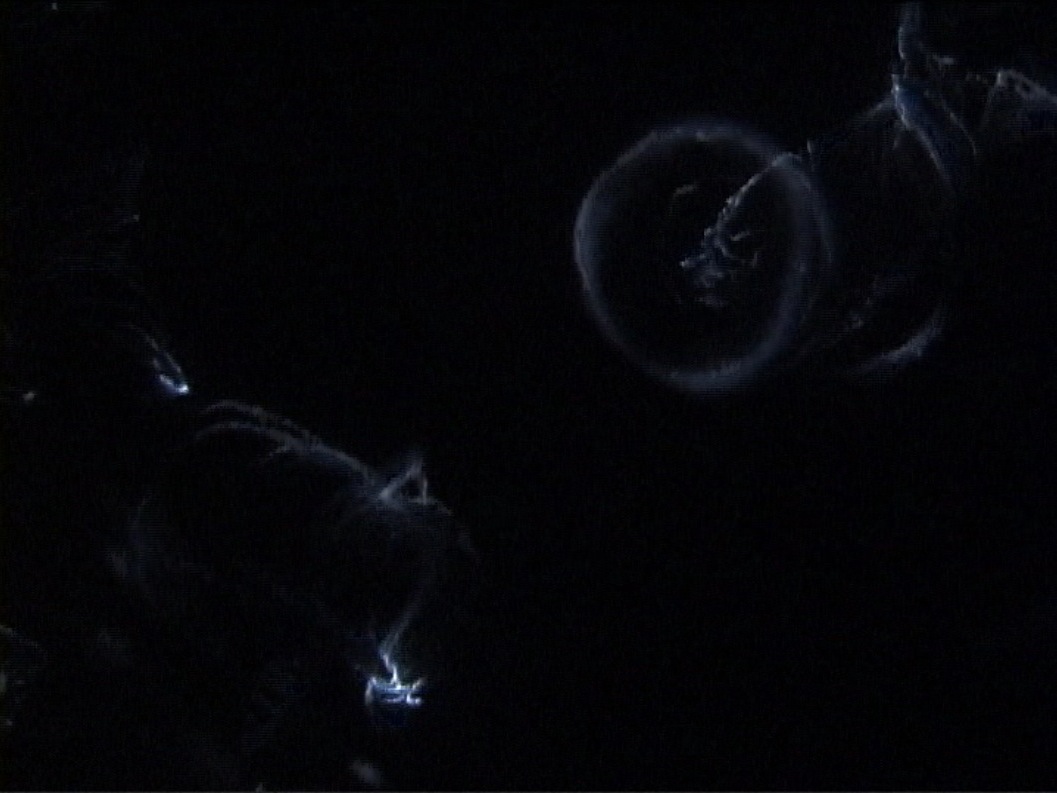
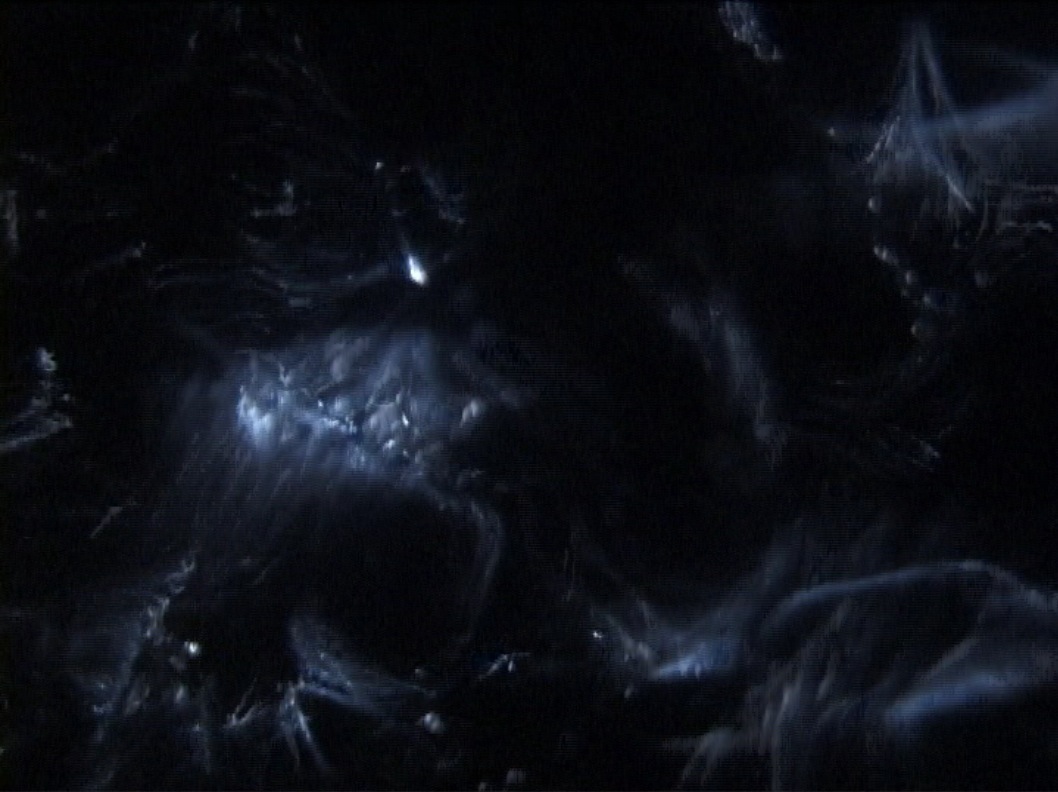
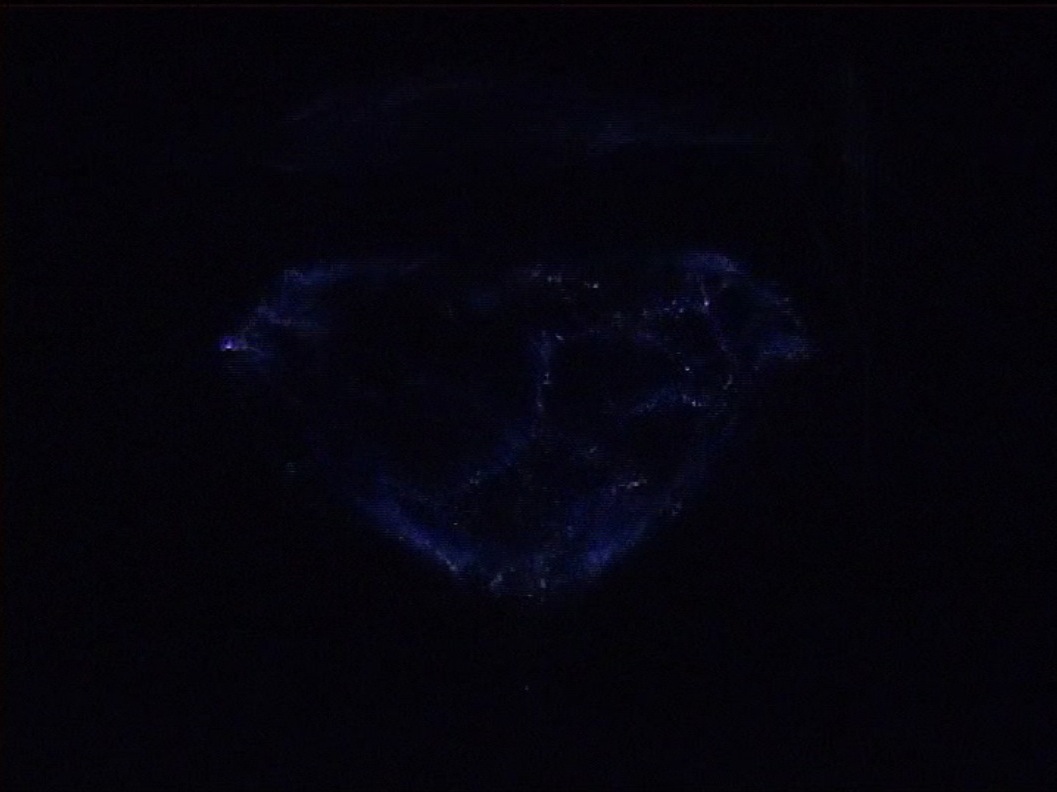
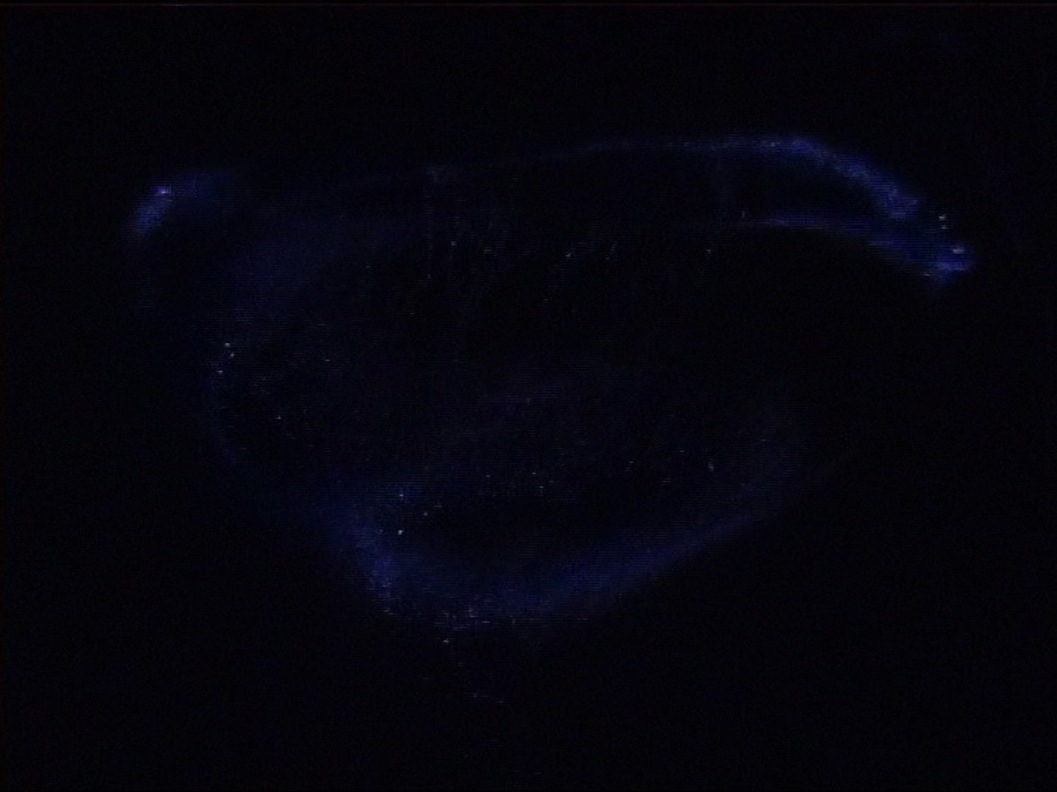
lightstreams by tarrl lightowler (these images unravel over a 70 minute period):


-each of these forms has a specific tempo; each a specific resonance. the ensemble has the intensity of a complex mechanism, as precise and unpredictable as a clock activated by the weight of a given mass of condensing vapor.
francis ponge describing rain.

mr. lightowler is a trained alchemist (in the old tradition) that works with film/video, sound, and photography to create works that are beyond description, and work almost like a manual for arriving at and entering the sublime. over the years, he has dedicated himself and his alchemical skills to capturing light on water, both visually and sonically. because he has worked in this specific area for so long, the work is virtuosic (yet mysterious). through duration and abstraction, mr. lightowler arrives at the transmutation of common metals into gold or silver. the results are just as staggering as the process.

mr. lightowler's alchemical studies of water and light have fascinated me for a long time now. beyond the beauty of them, there is an intense disorientation from being thrown headfirst into such a mysterious abyss. on one side, you are looking at 2 simple elements: water and light, and on the other side, you have no idea what you are looking at, you are totally lost, the world has ceased to exist and you are dreaming, it is almost like you are water, dreaming (or the great bernhard gunter's borgesian title: time, dreaming itself).

mr. lightowler is in many ways a sort of sponge that has absorbed the history of the sublime (in art, literature, music, photography, and film). this sponge has then been gently wiped over your eyes, and you see a glimmer of this obsession. it is of course unnoticeable for most people, but this is what makes it so powerful.

this unnoticeable quality is what is so unique; the work is extremely liminal (ambiguous, indeterminate), it is avant-garde. and at the same time, it is nothing and does not exist.


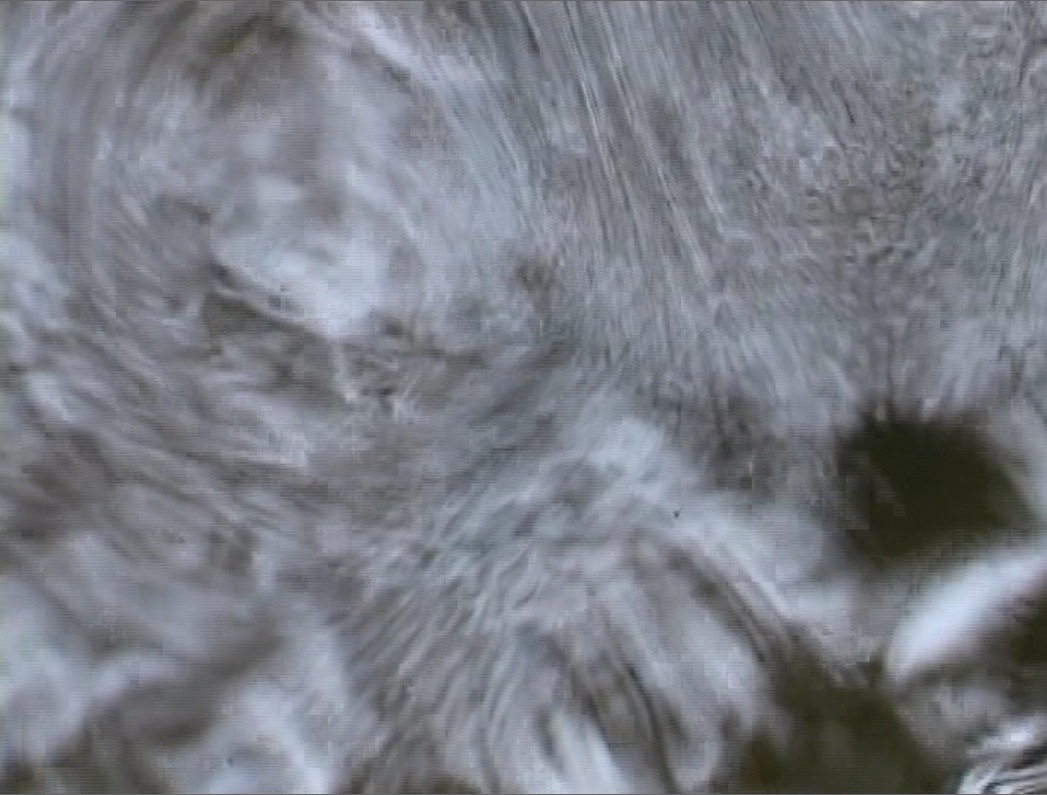
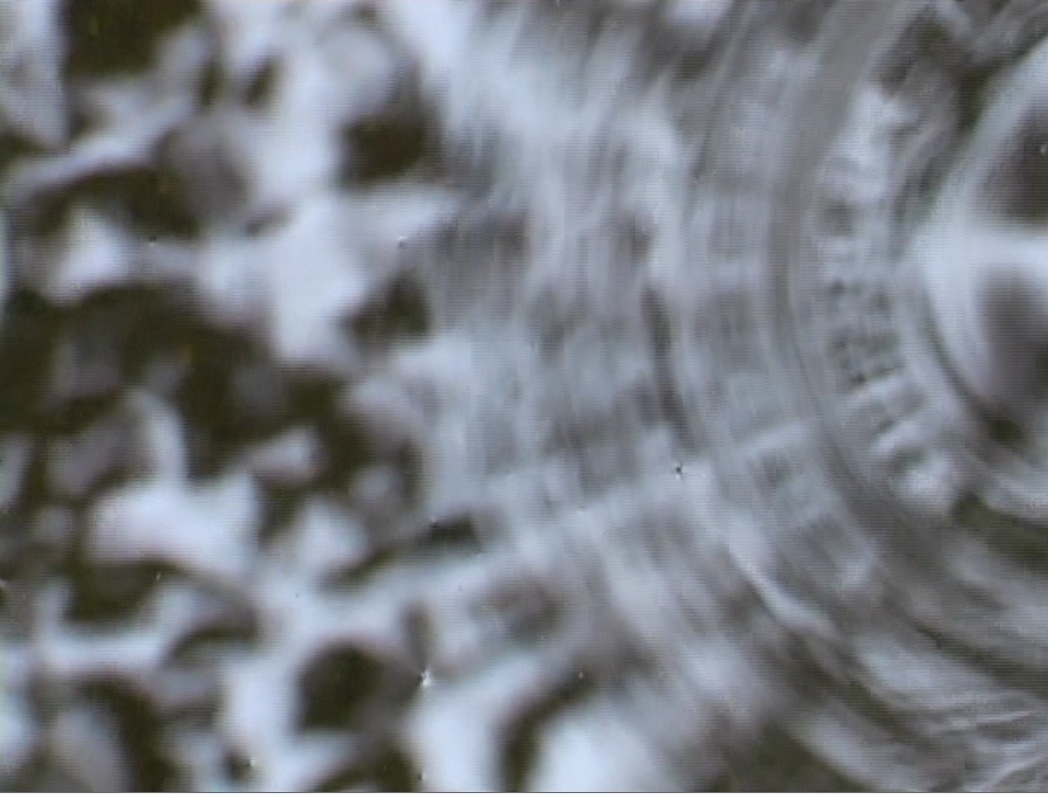
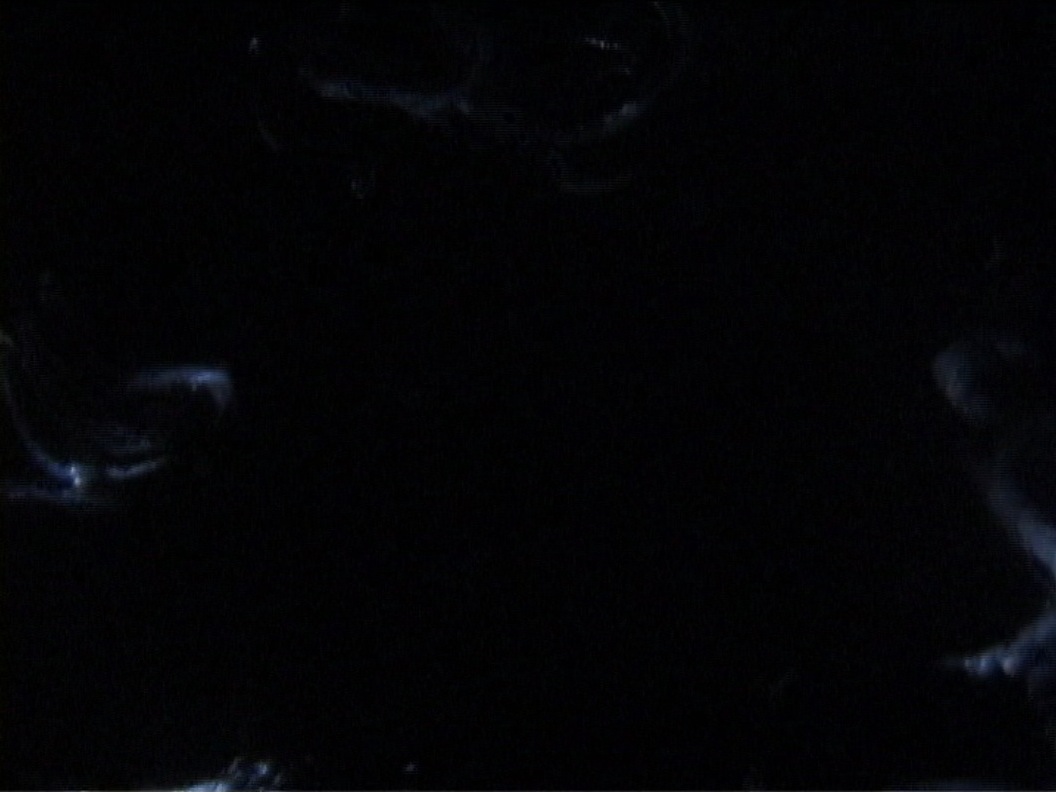
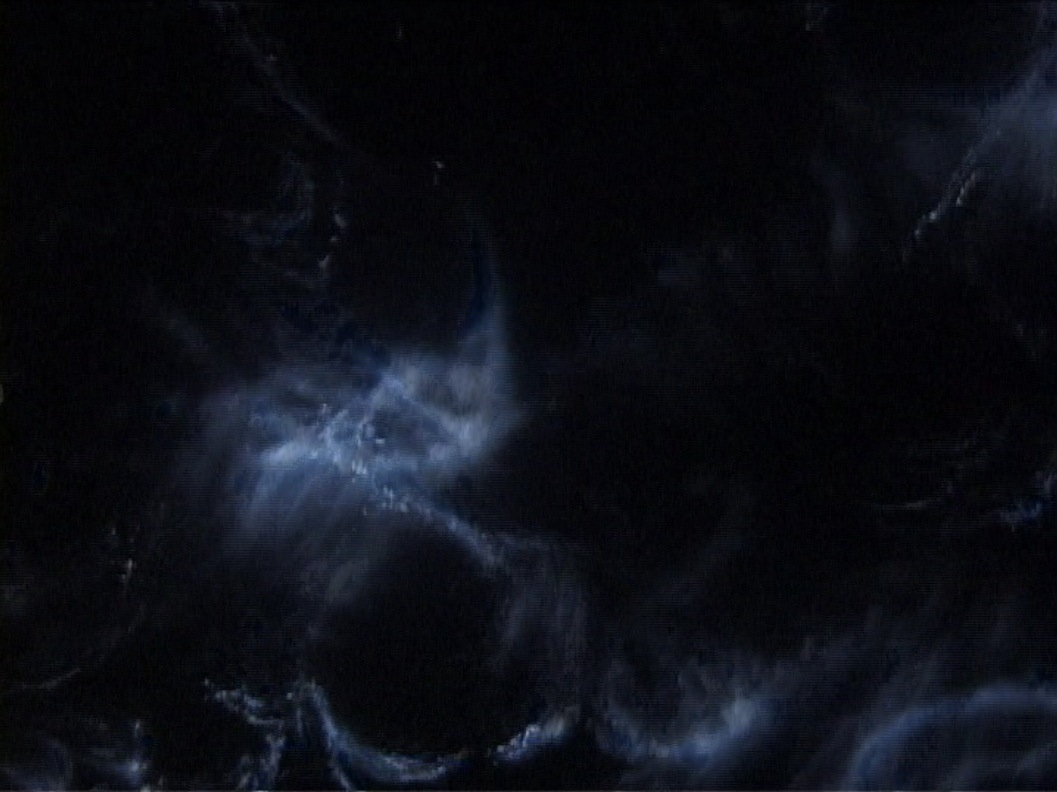
camera lucida by evelina domnitch + dmitry gelfand:


taylor deupree and richard chartier episode


evelina domnitch and dmitry gelfand episode


asmus tietchens episode

-all art constantly aspires towards the condition of music.
walter pater
-architecture is frozen music.
johann wolfgang von goethe

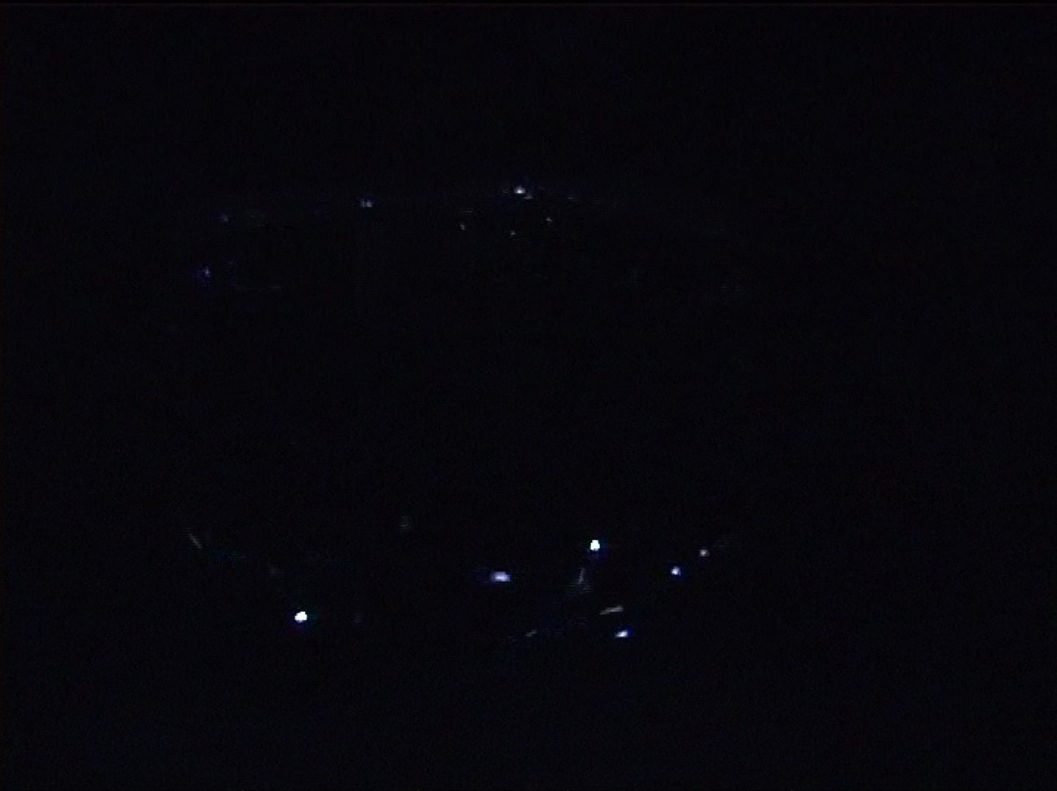
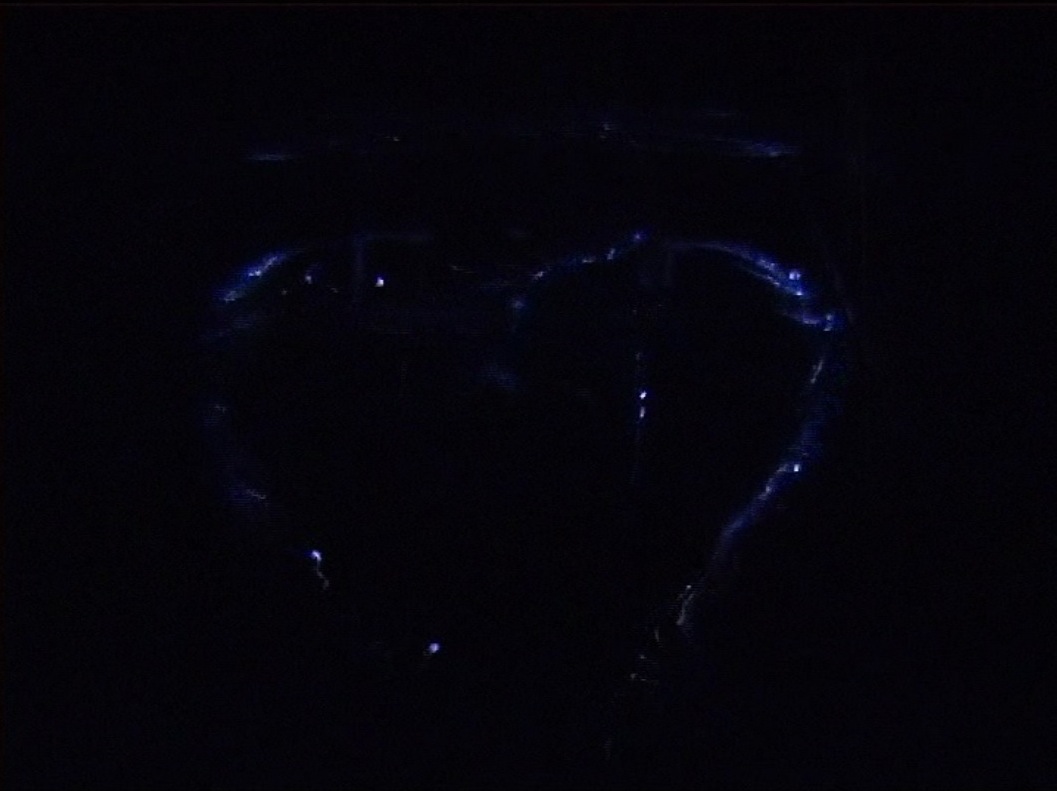
i find these 2 quotes very useful in thinking about domnitch & gelfand's dvd camera lucida. the visuals for the dvd (a gas infused liquid irradiated by high-frequency sound waves that are directly transformed into emissions of light by means of a phenomenon called sonochemistry) were created from the liquid's direct interaction with sound.

looking at the elegant results of this interaction of sound and liquid, i feel as if i am watching numerous frames of frozen music animated or brought to life by the soundtracks (created by such sound-artist as taylor deupree, richard chartier, evelina domnitch, dmitry gelfand, kenneth kirschner, asmus tietchens, carter-tutti and others).

goethe's "frozen music" has such a beautiful and mysterious sound to it. one pictures a moment of j.s. bach's music frozen and transformed into something else (a drawing/painting as in paul klee, or the moving image as seen in camera lucida and tarrl lightowler's work).

the walter pater quote is useful here as well, these beautiful moments of "frozen music" constantly aspiring towards the sound, that there is a competition between the 2, sound always pushing the image to be more beautiful, and always winning out. it brings to mind many of robert bresson's lovely ideas on the intricate and complex relationship between sound and image possible in film (partly collected in this entry).

for the soundtracks to these works, the sound artists were asked to "developed works out of ordinary inaudible acoustic phenomena (22 kHz - 140 kHz).... recorded with a hydrophone (a microphone submerged in liquid that is sensitive to high frequencies), which translated into the human hearing spectrum the sound emitted by multiple ultrasonic transducers as well as the resultant bubble implosions".

the results are as close to "perfect film" as can be imagined. the perfection comes from the intricate relationship of sound and image, and the delicacy of each. for this perfection, the 2 must act together, and at the same time, be independent. these ideas were explored by the "structuralist" film-makers*, in particular michael snow, ernie gehr, andy warhol, peter kubelka, paul sharits, leighton pierce, chris welsby and others (as an example: the tripod clicks found in <-> (back and forth) or the sound of the tripod device moving the camera around in every conceivable direction in la région centrale [both michael snow films]).

this perfection of sound and image is similar to the effect that indian music has, and specifically the drone. through duration and minimalism (with pandit pran nath); time and space become heightened yet ambiguous. actually, they cease to exist. this phenomena is achieved most beautifully in films like la région centrale by michael snow, satantango by bela tarr, and also in long music works like the well-tuned piano by la monte young , string quartet no. 2 by morton feldman and the longer number pieces by john cage. total emersion in these works is: the sublime. my only problem with the dvd of camera lucida, is that the works are to short. for this reason, i would advise having the tracks on repeat.

*see p. adams sitneys writings on structural film including his film culture issue n. 47 summer 1969 and visionary film from 1974/79. sitney writes: theirs is a cinema of structure in which the shape of the whole film is predetermined and simplified, and it is the shape which is the primal impression of the film.....the structural film insists on its shape, and what content it has is minimal and subsidiary to the outline.....the structural film approaches the condition of meditation and evokes states of consciousness without mediation; that is, with the sole mediation of the camera.....in the work of michael snow and ernie gehr, the camera is fixed in a mystical contemplation of a portion of space.....warhol challenged the viewer's ability to endure emptiness or sameness. the great challenge, then, of the structural film became how to orchestrate duration; how to permit the wandering attention that triggered ontological awareness while watching warhol films and at the same time guide that awareness to a goal.