the meaning of mystery is to be always in ambiguity, with double, triple aspects; in the hints of aspects (images in images), forms which will be, or which become according to the state of mind of the beholder. all things become more suggestive because they appear.
odilon redon (from
as in a dream: odilon redon)
this entry looks at the work of 3 contemporary artists working in filmic abstractions, specifically abstraction in video.
the works discussed are:
lightstreams (2005) by
tarrl ligtowlercamera lucida (2002 to present) by
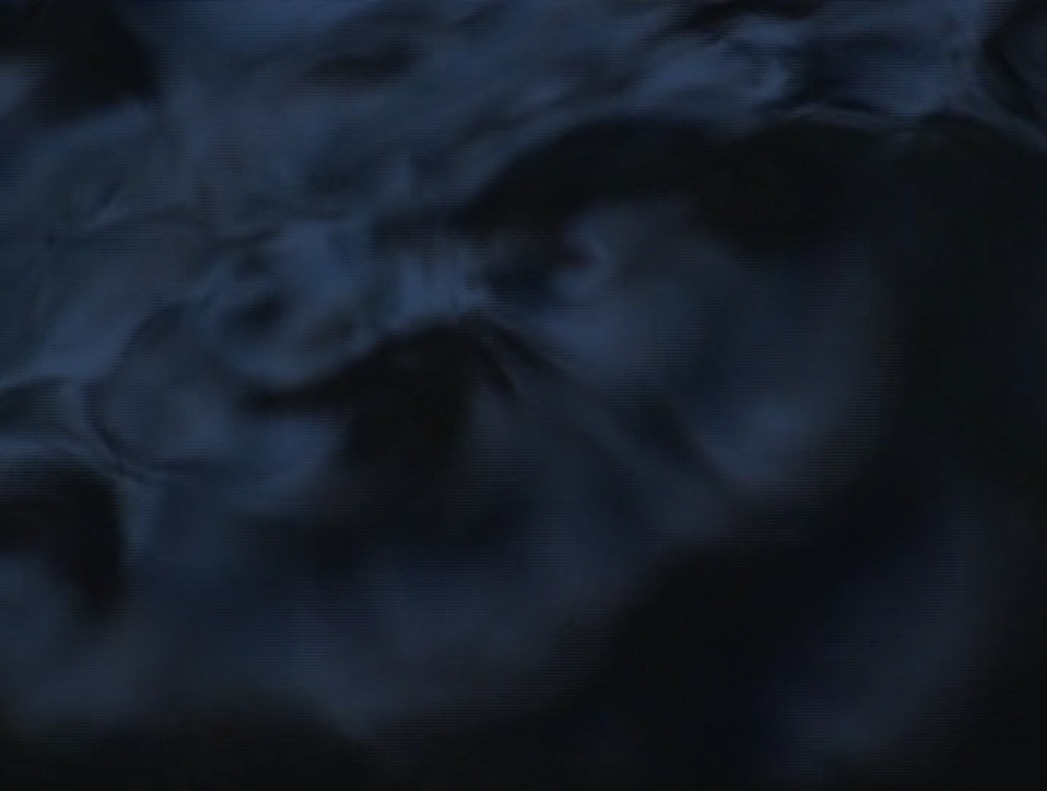
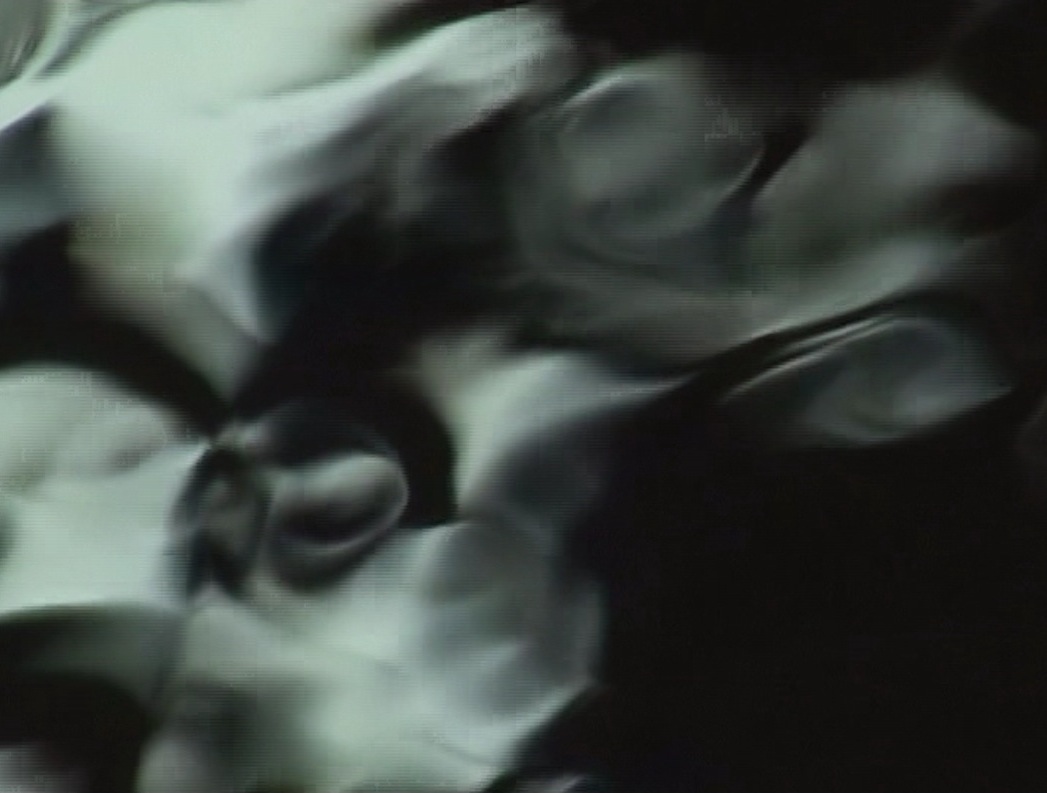
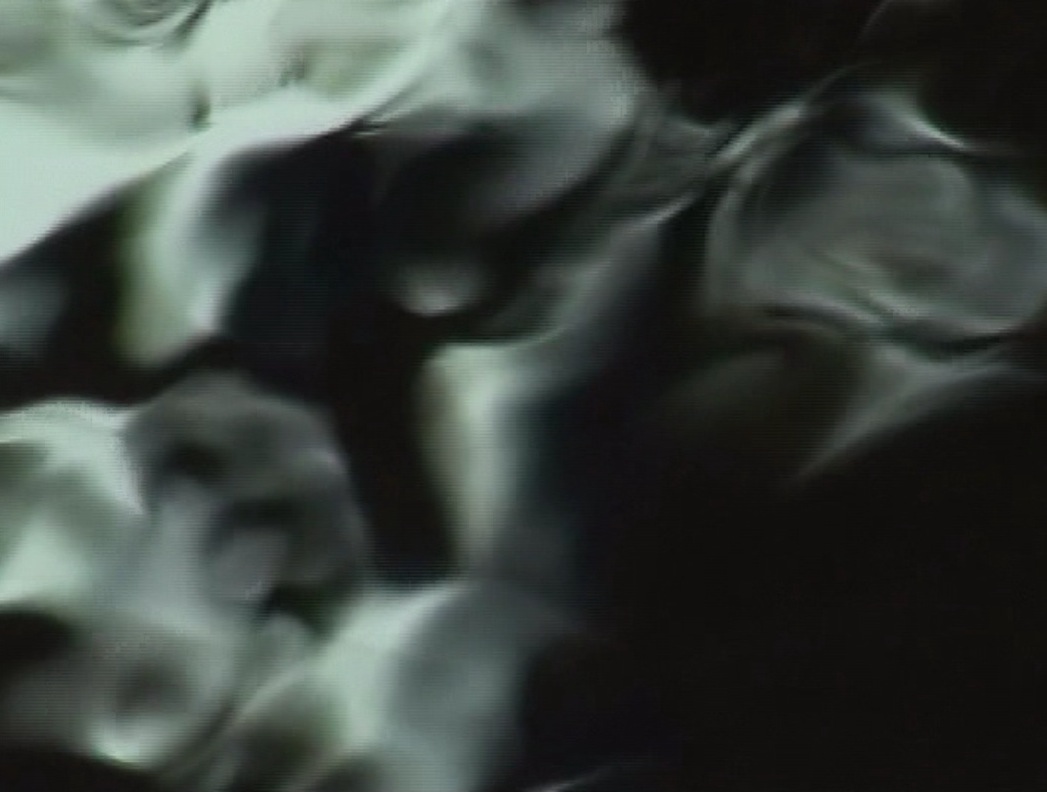
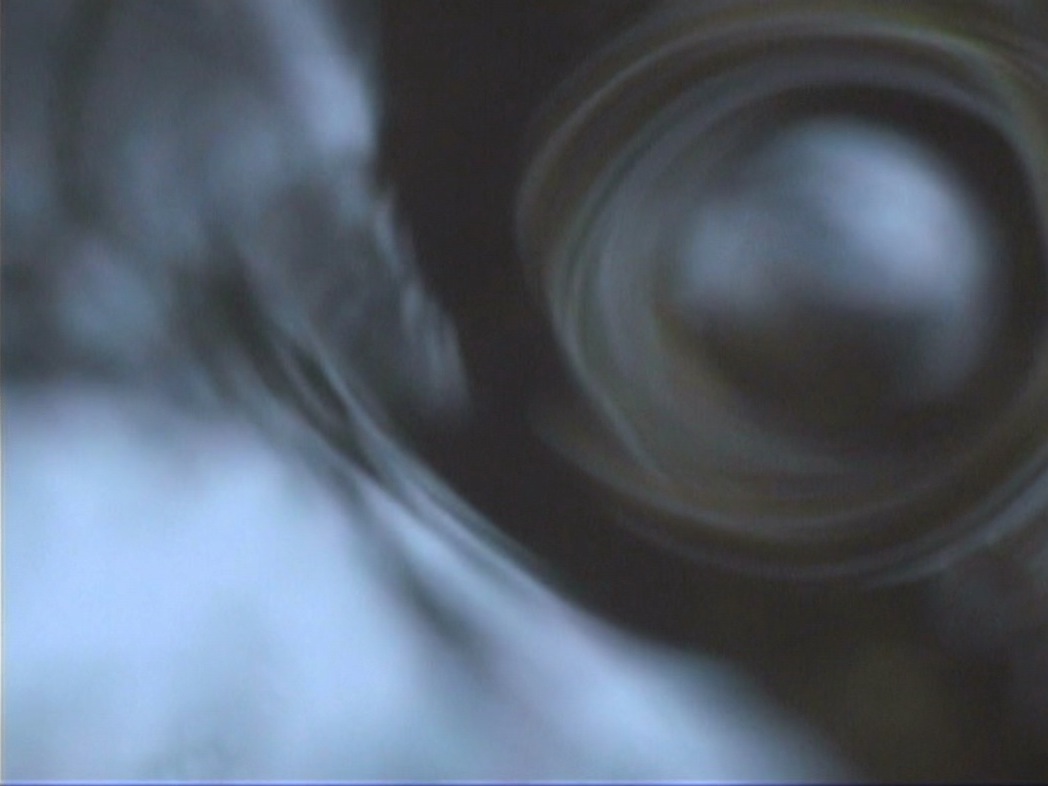
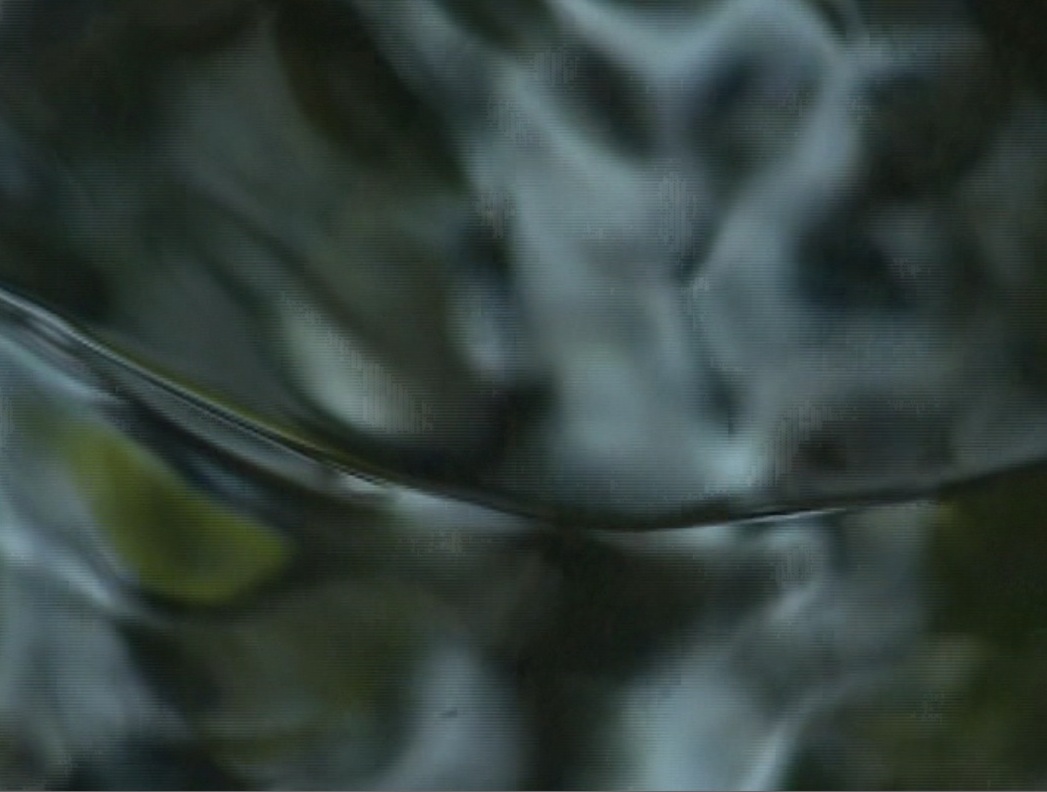
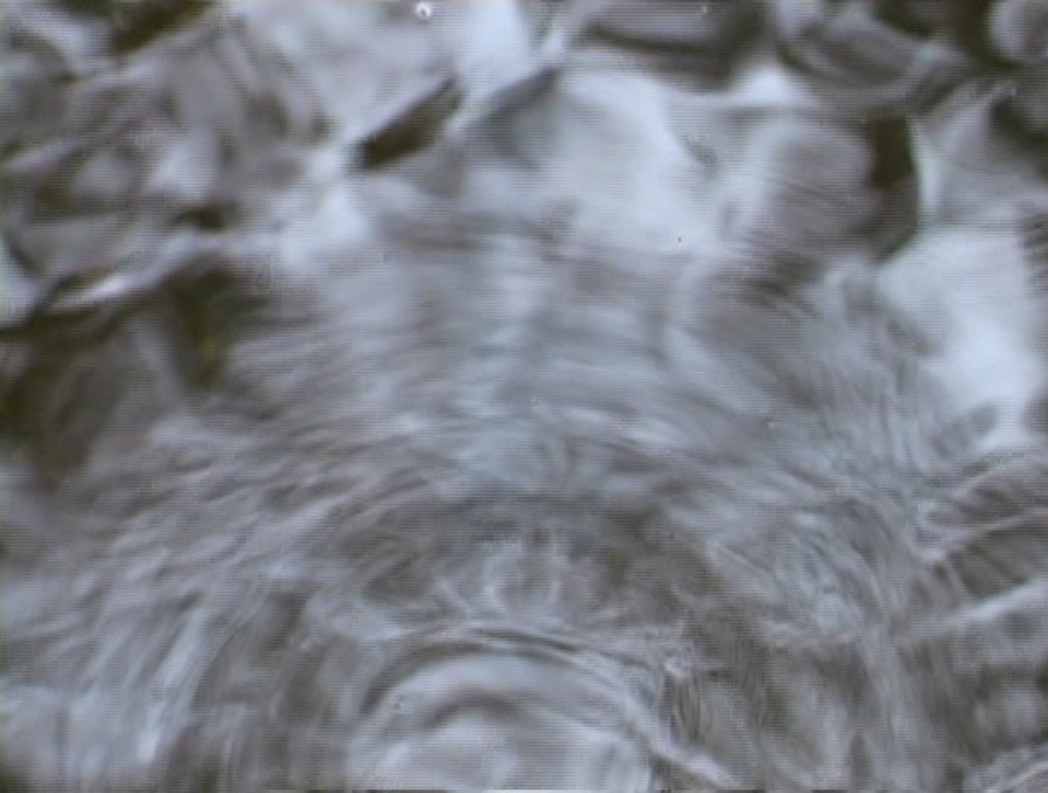
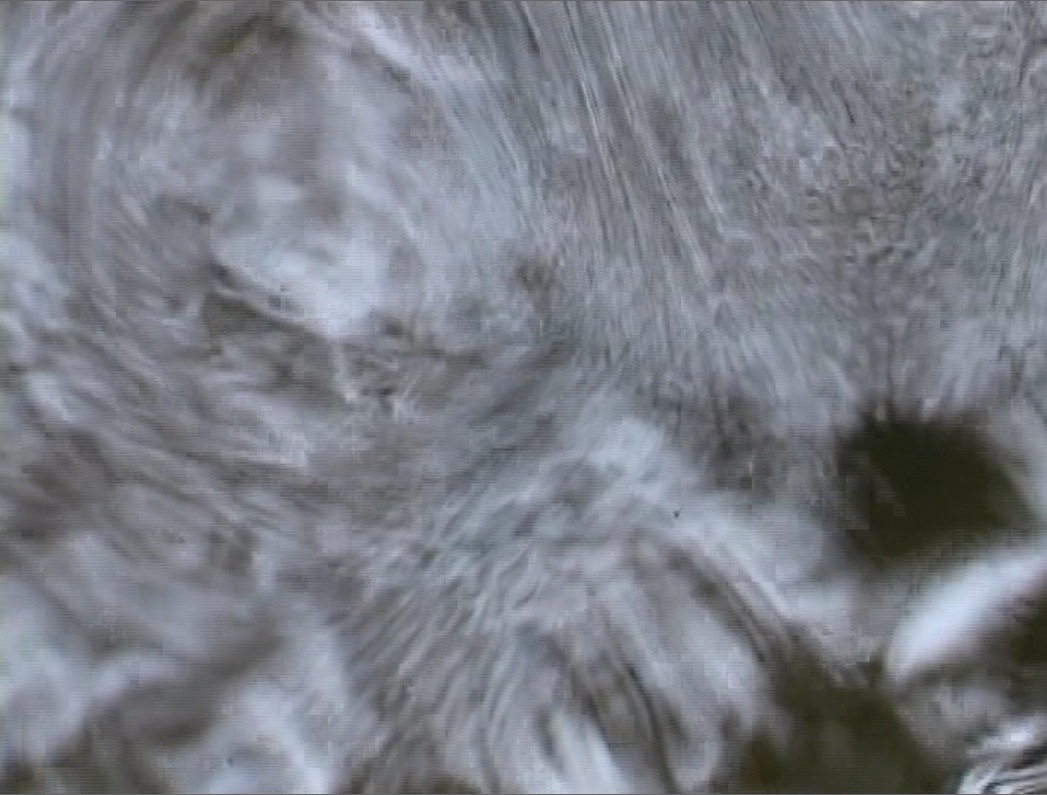
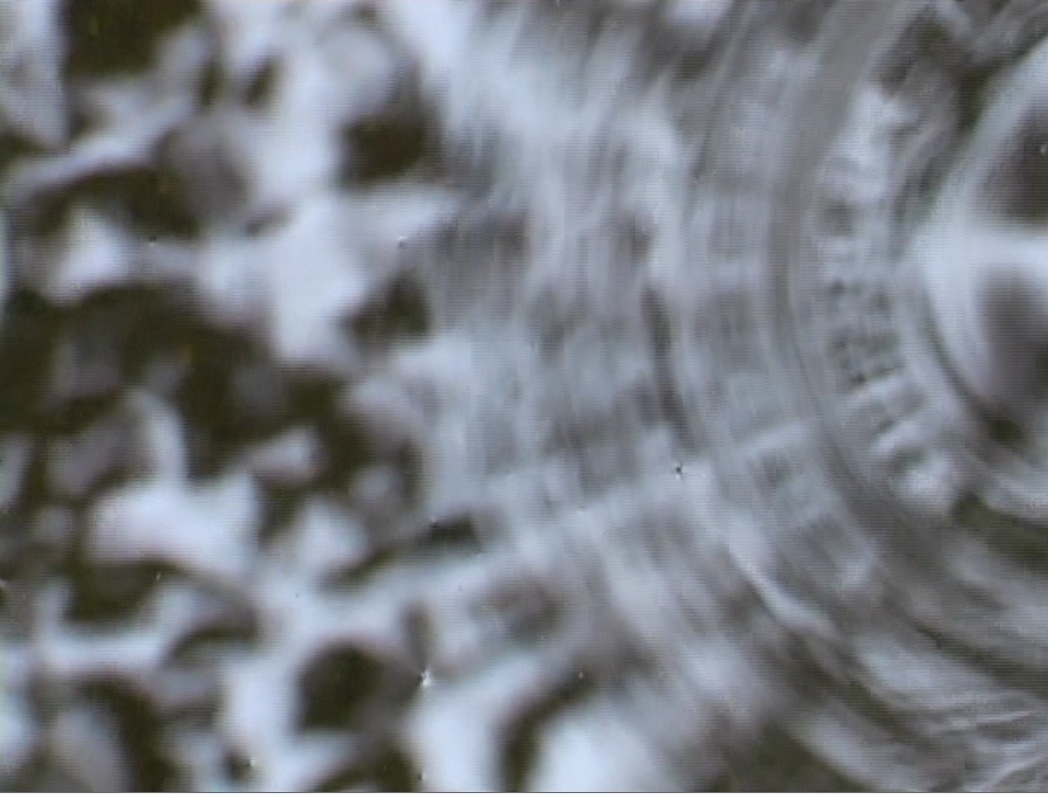
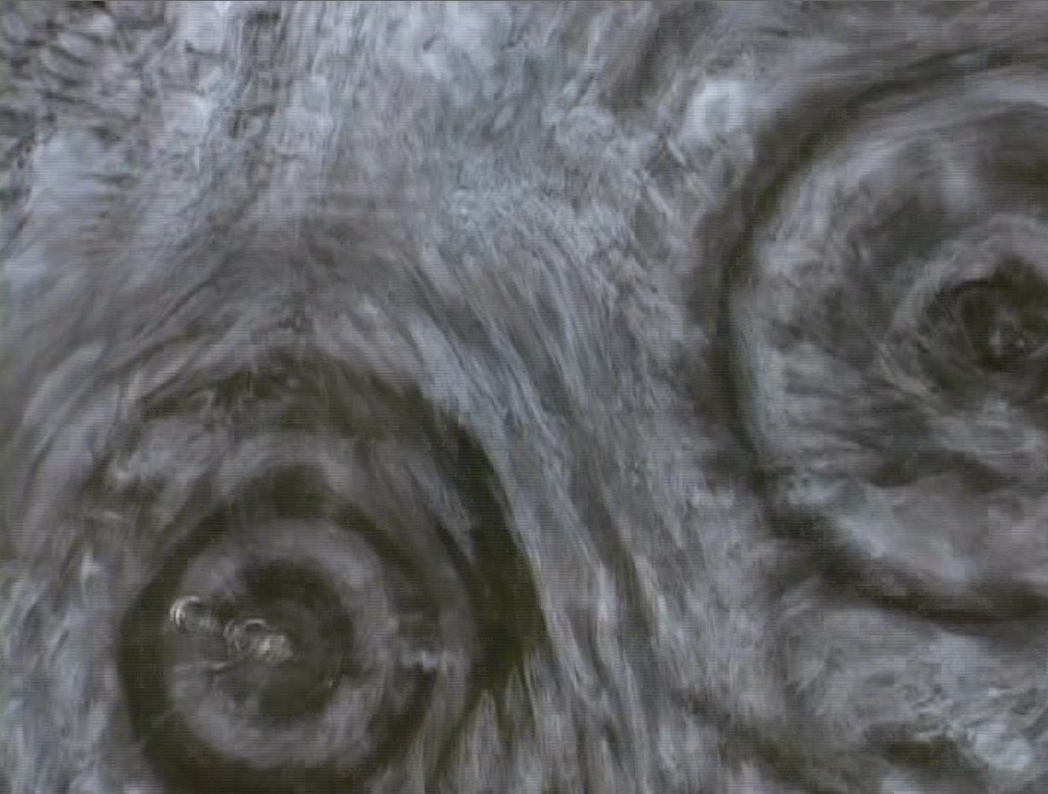
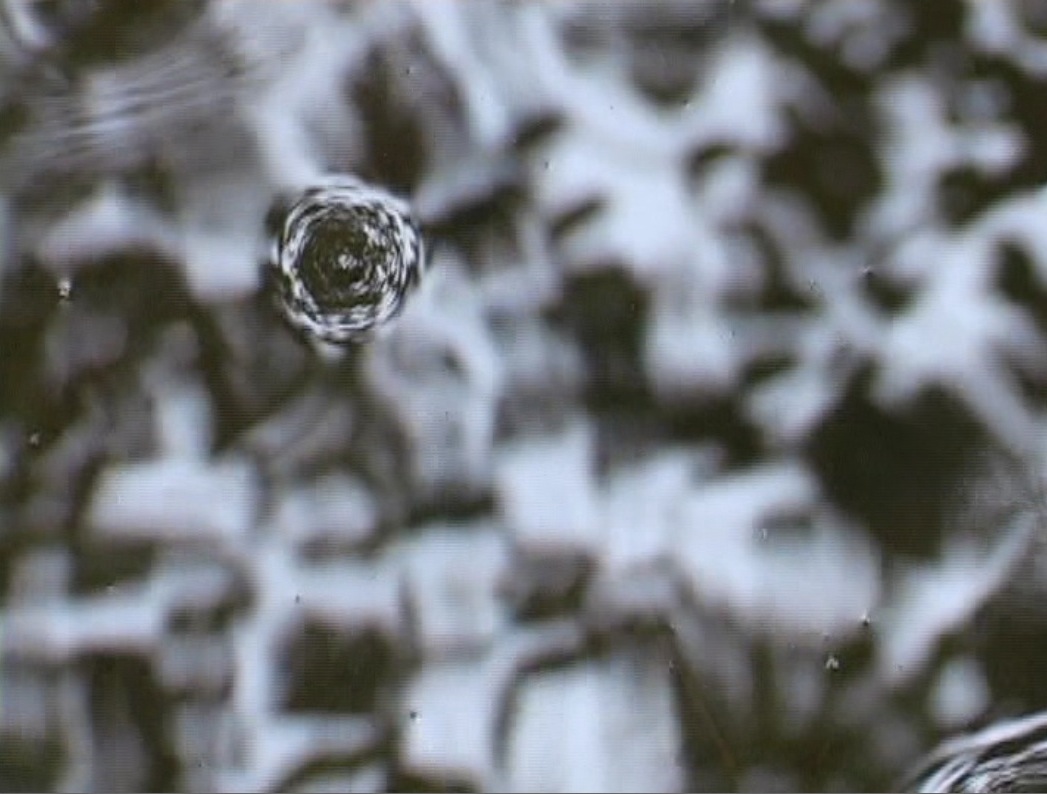
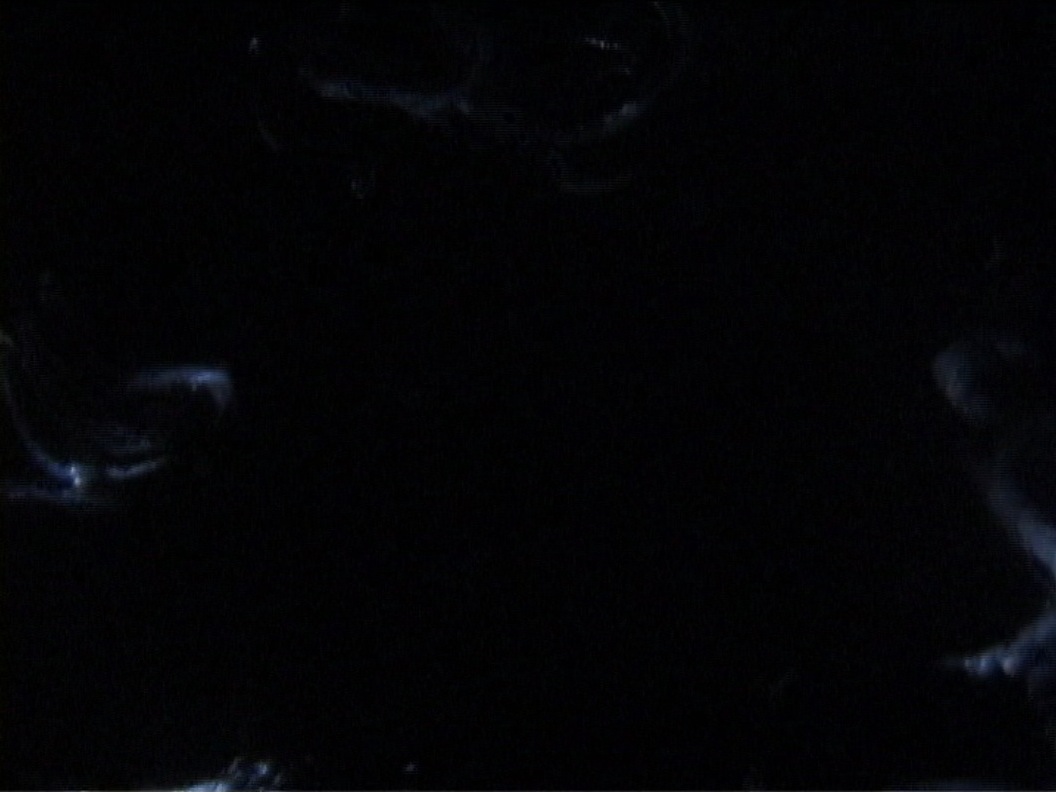
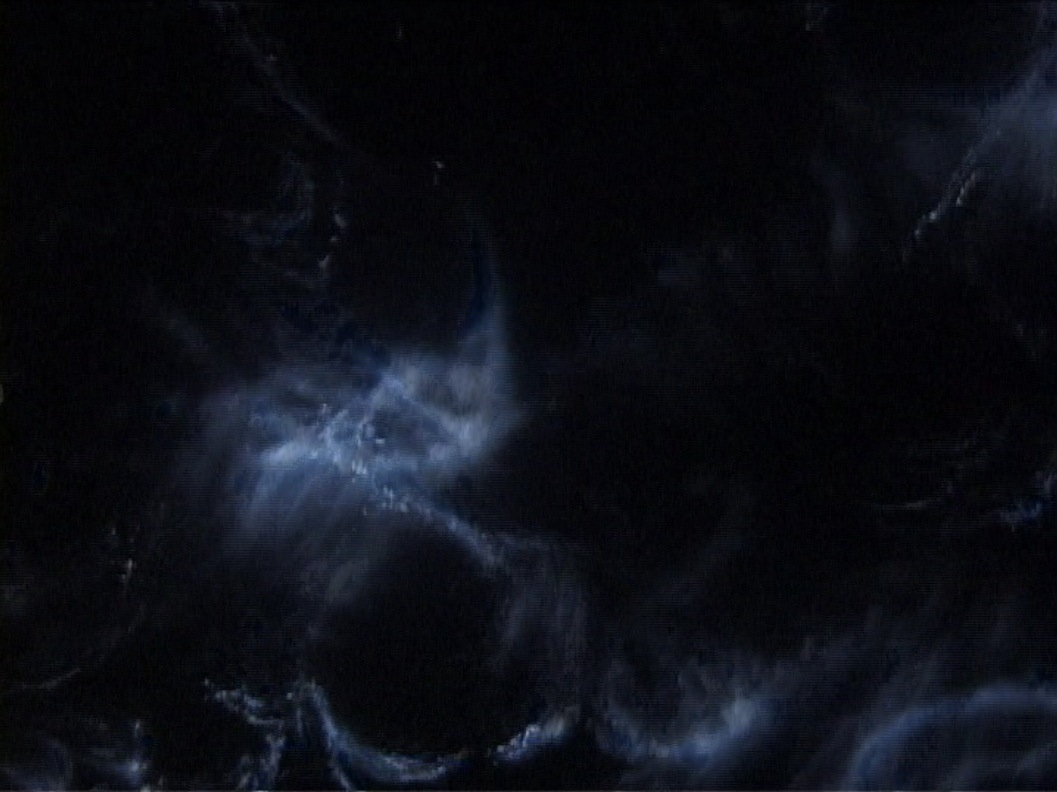
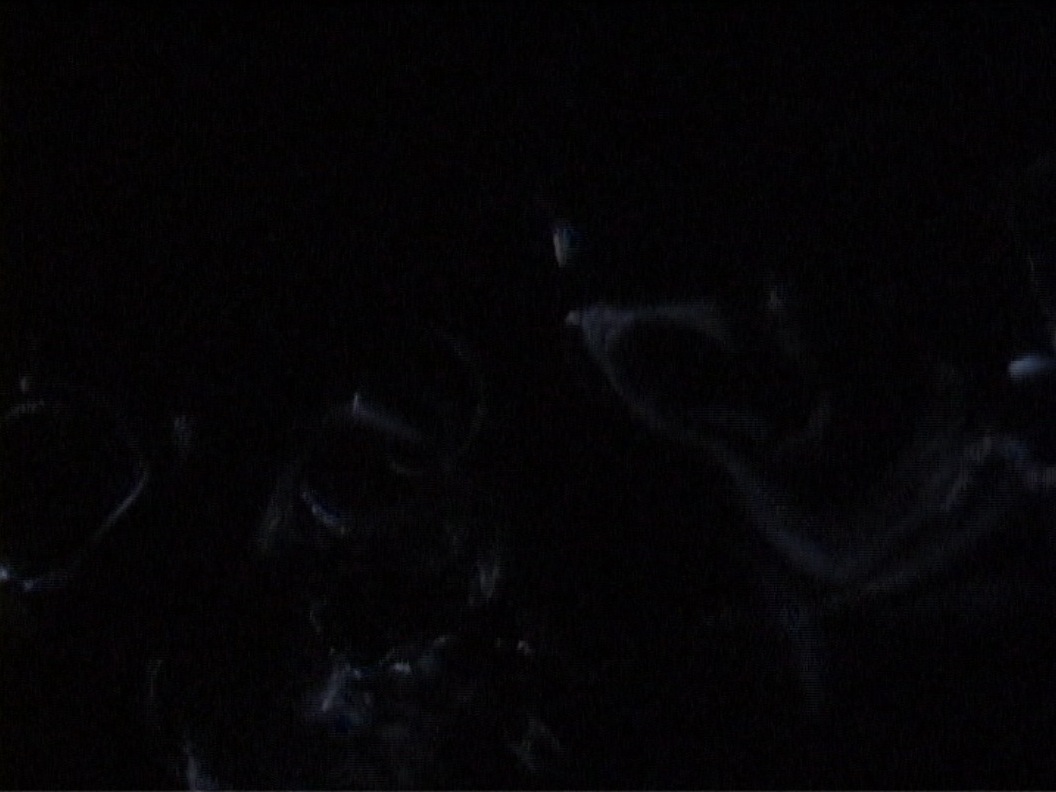
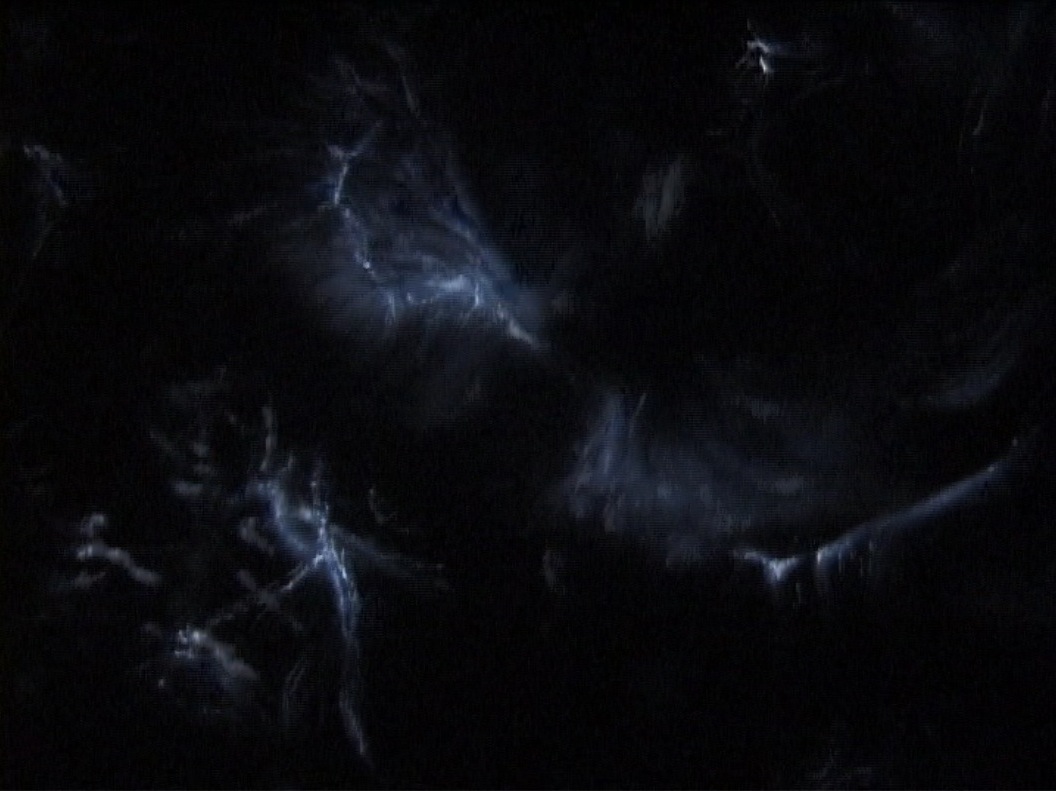
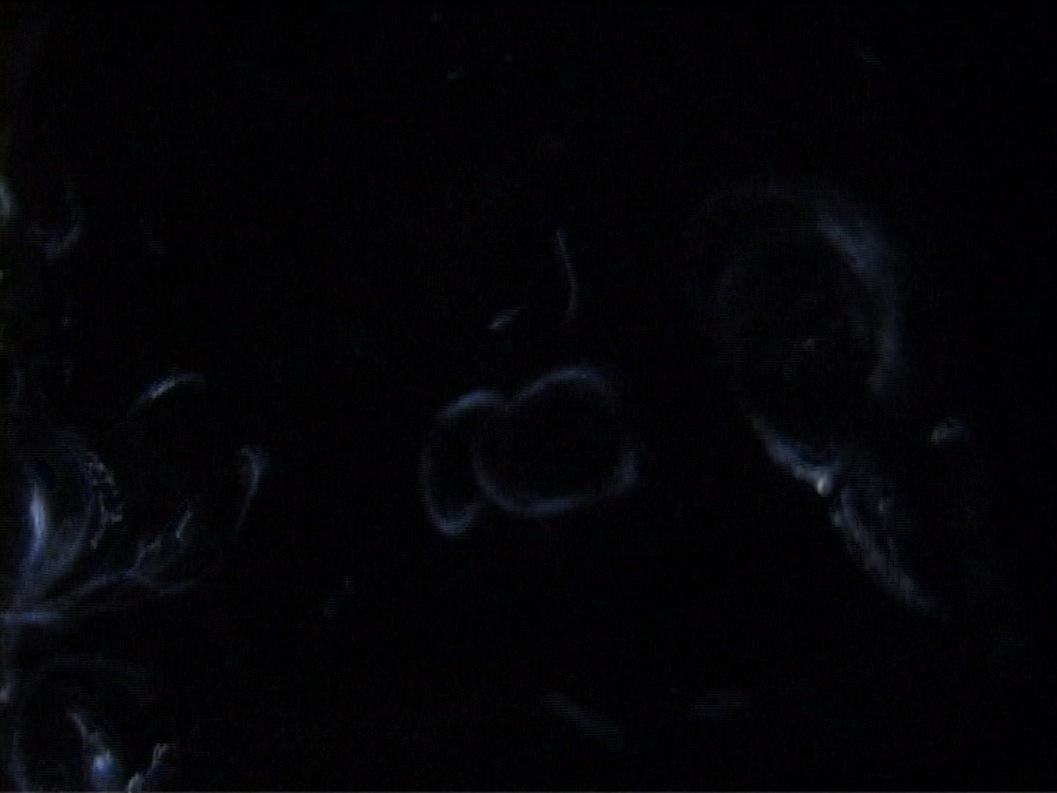
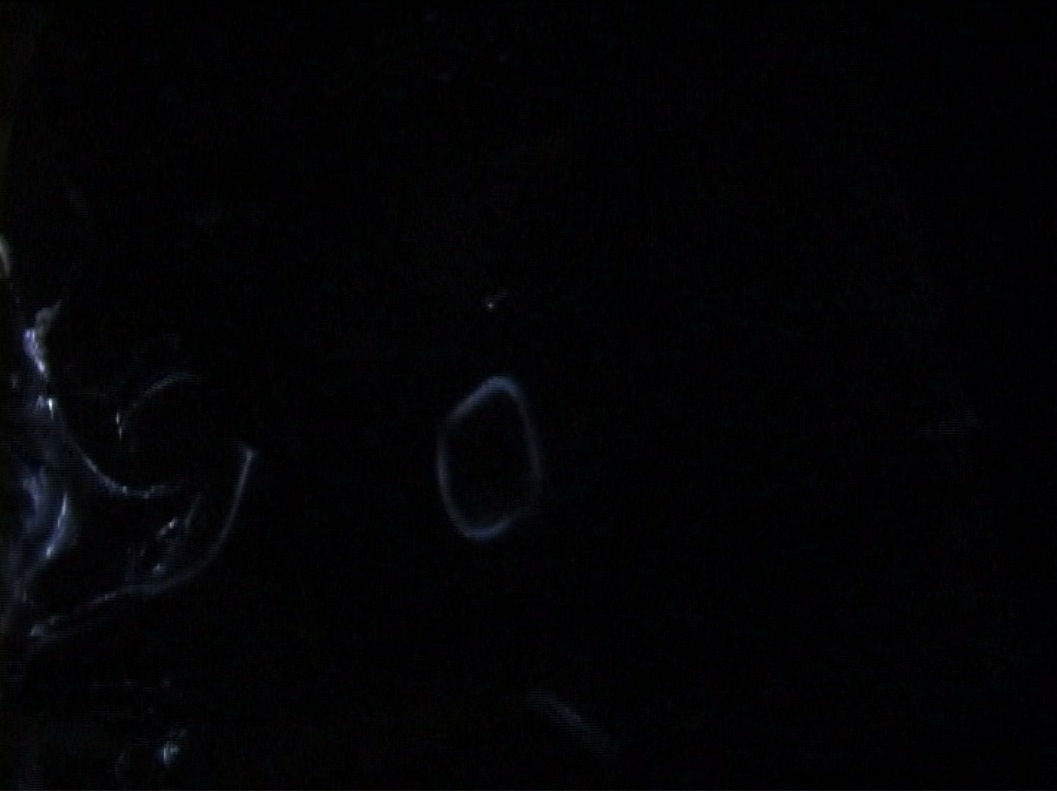
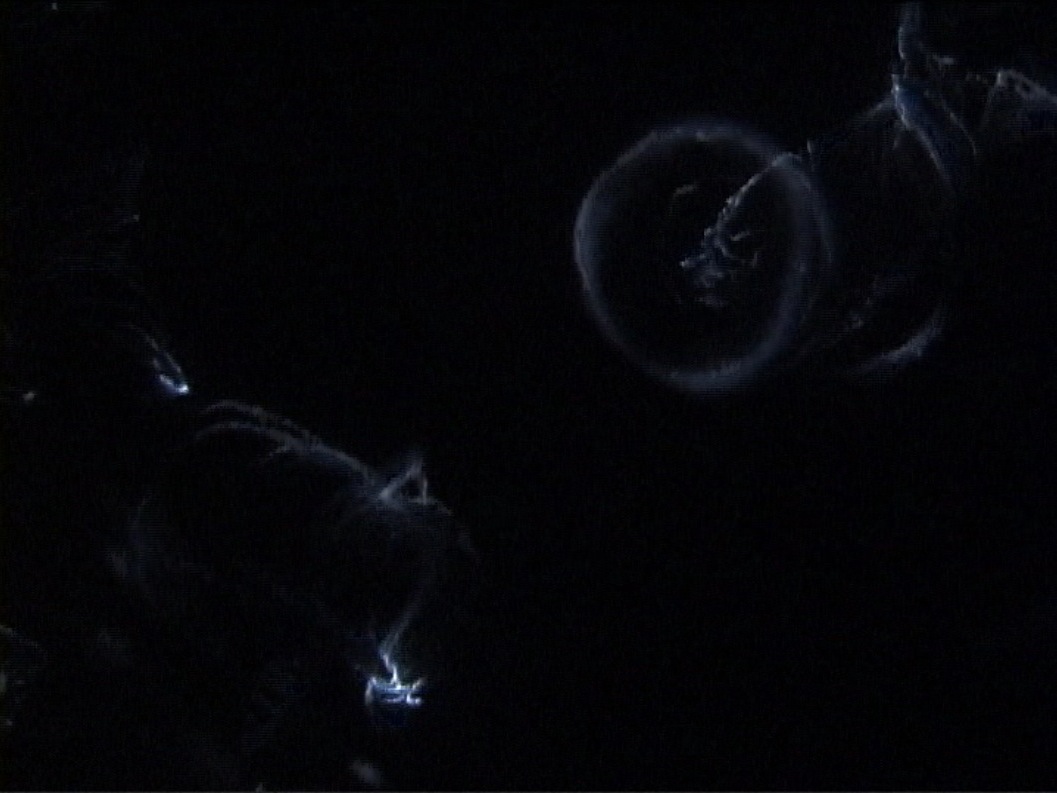
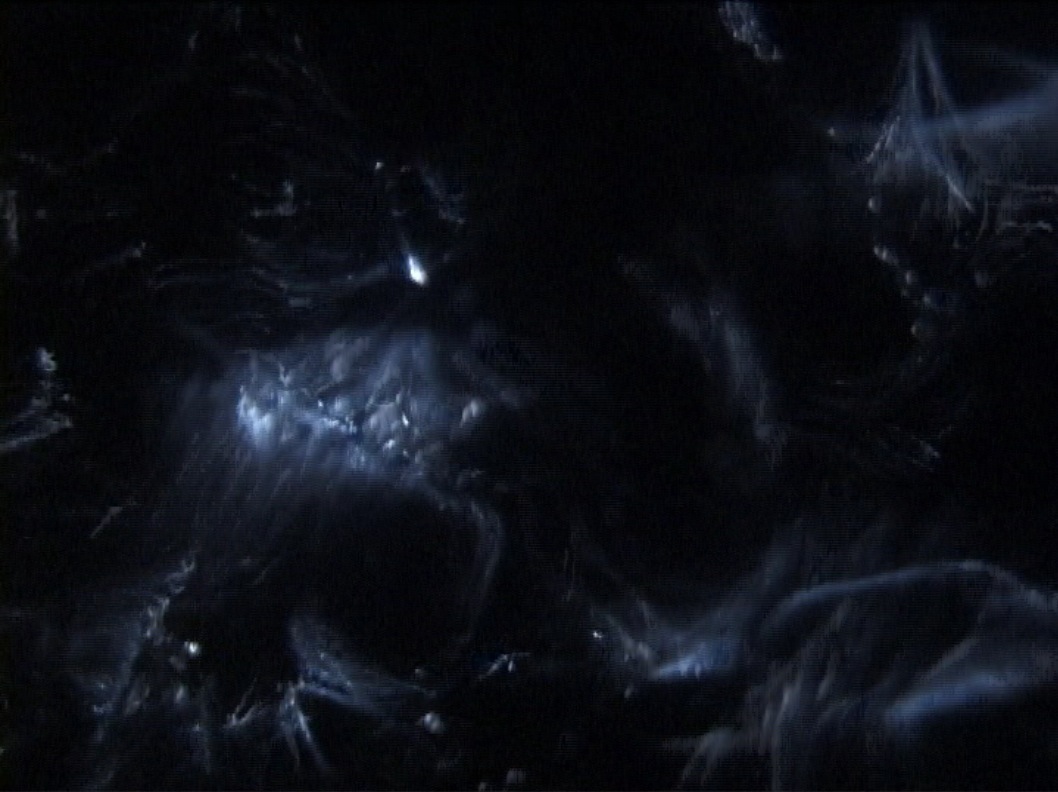
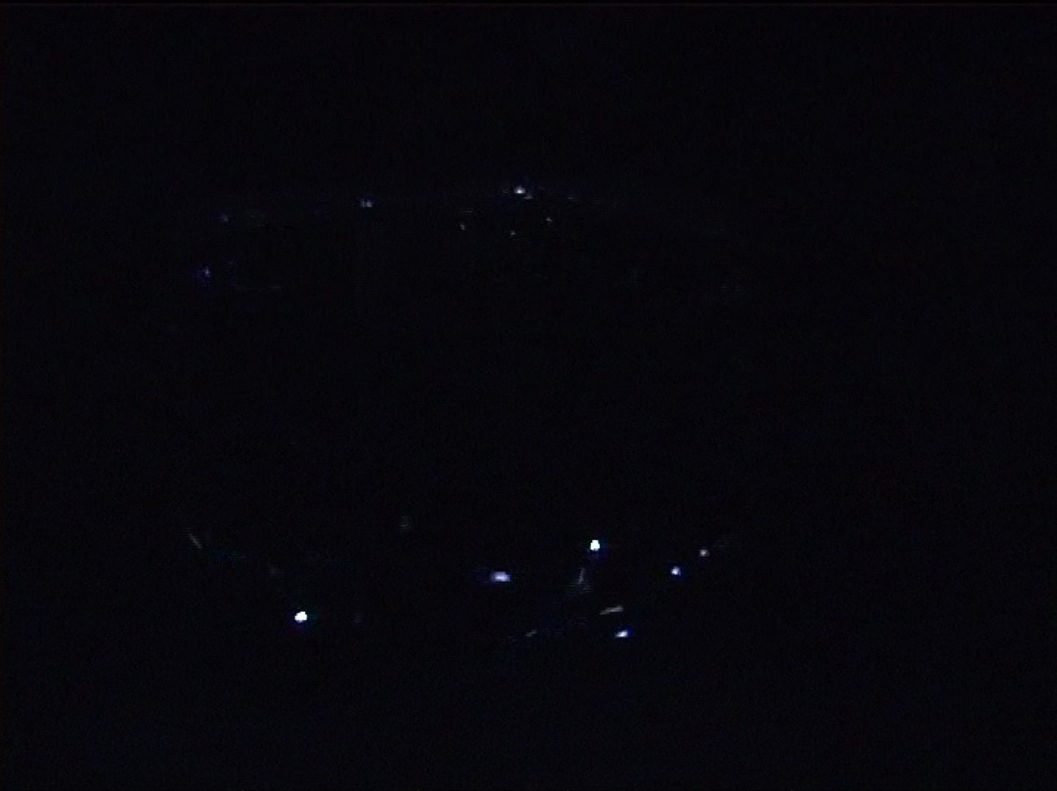
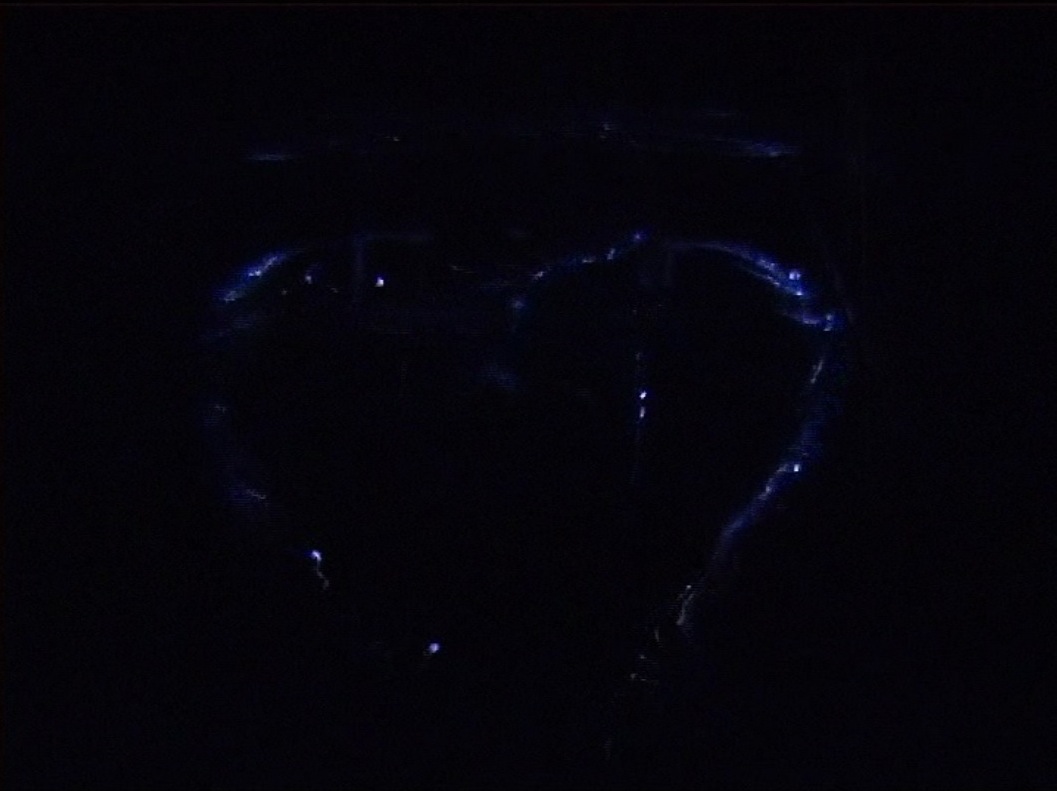
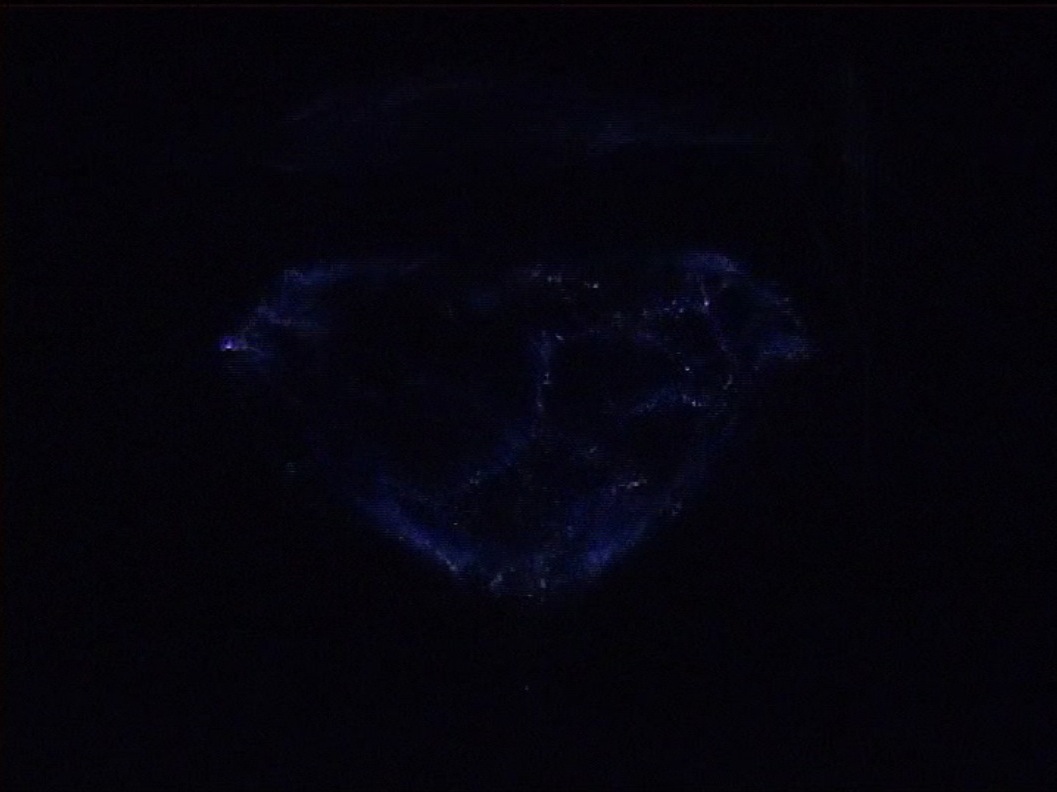
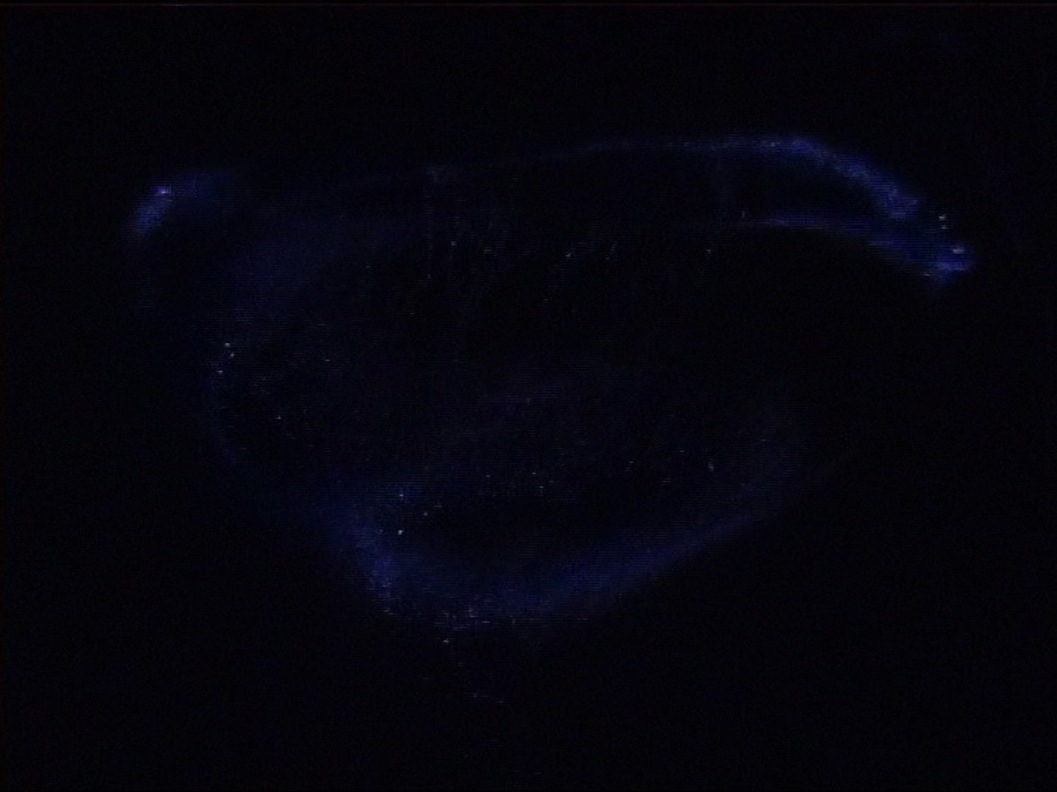
evelina domnitch + dmitry gelfandlightstreams by tarrl lightowler (these images unravel over a 70 minute period):


-each of these forms has a specific tempo; each a specific resonance. the ensemble has the intensity of a complex mechanism, as precise and unpredictable as a clock activated by the weight of a given mass of condensing vapor.
francis ponge describing rain.
mr. lightowler is a trained alchemist (in the old tradition) that works with film/video, sound, and photography to create works that are beyond description, and work almost like a manual for arriving at and entering the sublime. over the years, he has dedicated himself and his alchemical skills to capturing light on water, both visually and sonically. because he has worked in this specific area for so long, the work is virtuosic (yet mysterious). through duration and abstraction,
mr. lightowler arrives at the transmutation of common metals into gold or silver. the results are just as staggering as the process.
mr. lightowler's alchemical studies of water and light have fascinated me for a long time now. beyond the beauty of them, there is an intense disorientation from being thrown headfirst into such a mysterious abyss. on one side, you are looking at 2 simple elements: water and light, and on the other side, you have no idea what you are looking at, you are totally lost, the world has ceased to exist and you are dreaming, it is almost like you are water, dreaming (or the great
bernhard gunter's
borgesian title:
time, dreaming itself).
mr. lightowler is in many ways a sort of sponge that has absorbed the history of the sublime (in art, literature, music, photography, and film). this sponge has then been gently wiped over your eyes, and you see a glimmer of this obsession. it is of course unnoticeable for most people, but this is what makes it so powerful.
this unnoticeable quality is what is so unique; the work is extremely liminal (ambiguous, indeterminate), it is avant-garde. and at the same time, it is nothing and does not exist.
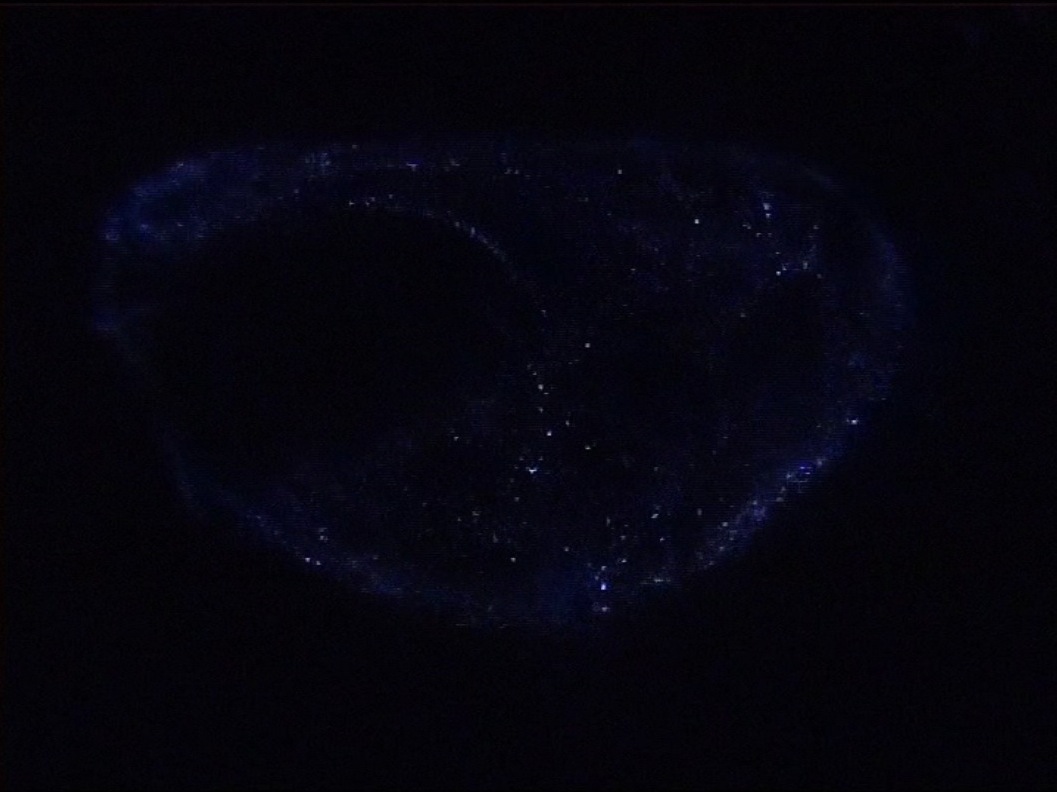
camera lucida by evelina domnitch + dmitry gelfand:


 taylor deupree
 and
richard chartier episode


 evelina domnitch
 and
dmitry gelfand episode


 asmus tietchens
 episode
-all art constantly aspires towards the condition of music.
walter pater-architecture is frozen music.
johann wolfgang von goethei find these 2 quotes very useful in thinking about
domnitch & gelfand's dvd
camera lucida. the visuals for the dvd (a gas infused liquid irradiated by high-frequency sound waves that are directly transformed into emissions of light by means of a phenomenon called sonochemistry) were created from the liquid's direct interaction with sound.
looking at the elegant results of this interaction of sound and liquid, i feel as if i am watching numerous frames of frozen music animated or brought to life by the soundtracks (created by such sound-artist as
taylor deupree,
richard chartier,
evelina domnitch,
dmitry gelfand,
kenneth kirschner,
asmus tietchens,
carter-tutti and others).
goethe's "frozen music" has such a beautiful and mysterious sound to it. one pictures a moment of
j.s. bach's music frozen and transformed into something else (a drawing/painting as in
paul klee, or the moving image as seen in
camera lucida and
tarrl lightowler's work).
the
walter pater quote is useful here as well, these beautiful moments of "frozen music" constantly aspiring towards the sound, that there is a competition between the 2, sound always pushing the image to be more beautiful, and always winning out. it brings to mind many of
robert bresson's lovely ideas on the intricate and complex relationship between sound and image possible in film (partly collected in this
entry).
for the soundtracks to these works, the sound artists were asked to "developed works out of ordinary inaudible acoustic phenomena (22 kHz - 140 kHz).... recorded with a hydrophone (a microphone submerged in liquid that is sensitive to high frequencies), which translated into the human hearing spectrum the sound emitted by multiple ultrasonic transducers as well as the resultant bubble implosions".
the results are as close to "perfect film" as can be imagined. the perfection comes from the intricate relationship of sound and image, and the delicacy of each. for this perfection, the 2 must act together, and at the same time, be independent. these ideas were explored by the "structuralist" film-makers
*, in particular
michael snow,
ernie gehr,
andy warhol,
peter kubelka,
paul sharits,
leighton pierce,
chris welsby and others (as an example: the tripod clicks found in
<-> (
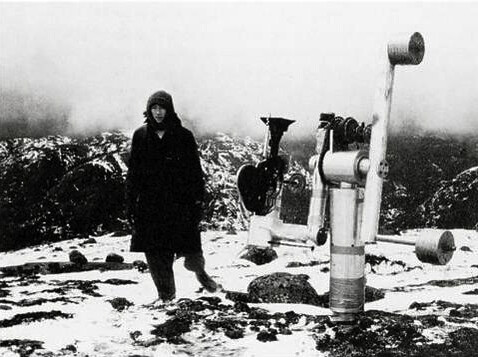
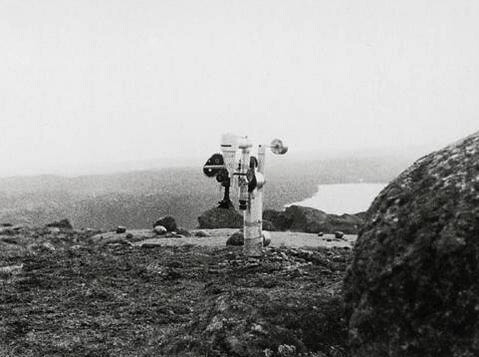
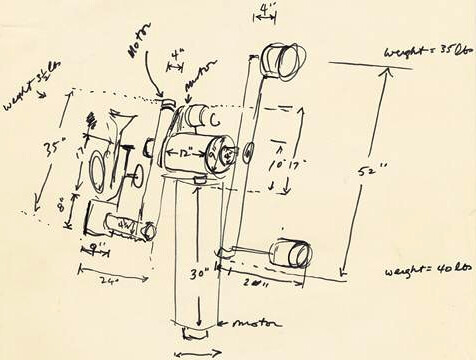
back and forth) or the sound of the tripod device moving the camera around in every conceivable direction in
la région centrale [both
michael snow films]).
this perfection of sound and image is similar to the effect that indian music has, and specifically the drone. through duration and minimalism (with
pandit pran nath); time and space become heightened yet ambiguous. actually, they cease to exist. this phenomena is achieved most beautifully in films like
la région centrale by
michael snow,
satantango by
bela tarr, and also in long music works like
the well-tuned piano by
la monte young ,
string quartet no. 2 by
morton feldman and the longer number pieces by
john cage. total emersion in these works is: the sublime. my only problem with the dvd of
camera lucida, is that the works are to short. for this reason, i would advise having the tracks on repeat.
*see
p. adams sitneys writings on structural film including his
film culture issue n. 47 summer 1969 and
visionary film from 1974/79.
sitney writes: theirs is a cinema of structure in which the shape of the whole film is predetermined and simplified, and it is the shape which is the primal impression of the film.....the structural film insists on its shape, and what content it has is minimal and subsidiary to the outline.....the structural film approaches the condition of meditation and evokes states of consciousness without mediation; that is, with the sole mediation of the camera.....in the work of
michael snow and
ernie gehr, the camera is fixed in a mystical contemplation of a portion of space.....
warhol challenged the viewer's ability to endure emptiness or sameness. the great challenge, then, of the structural film became how to orchestrate duration; how to permit the wandering attention that triggered ontological awareness while watching
warhol films and at the same time guide that awareness to a goal.


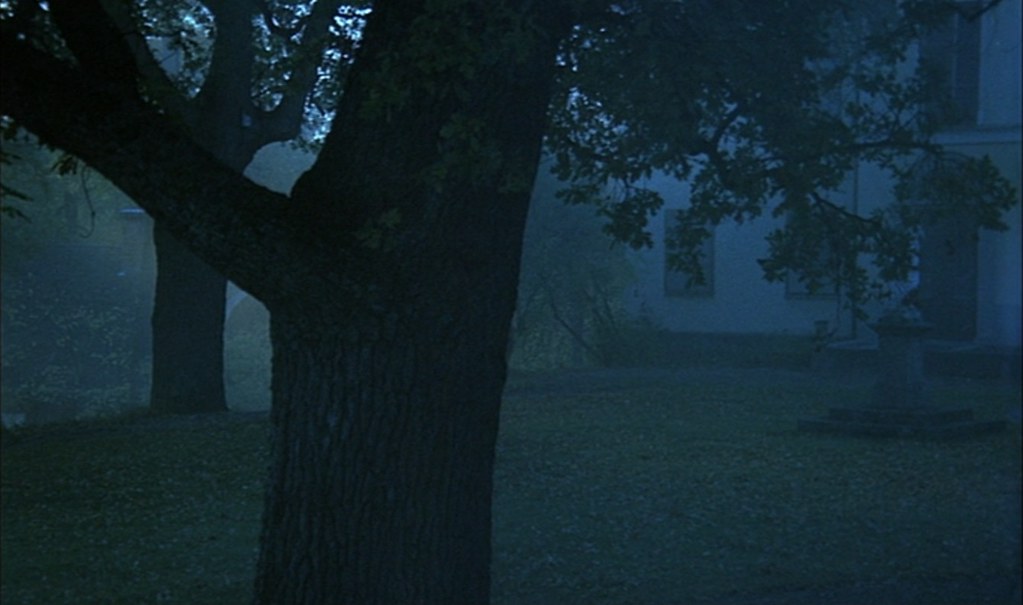
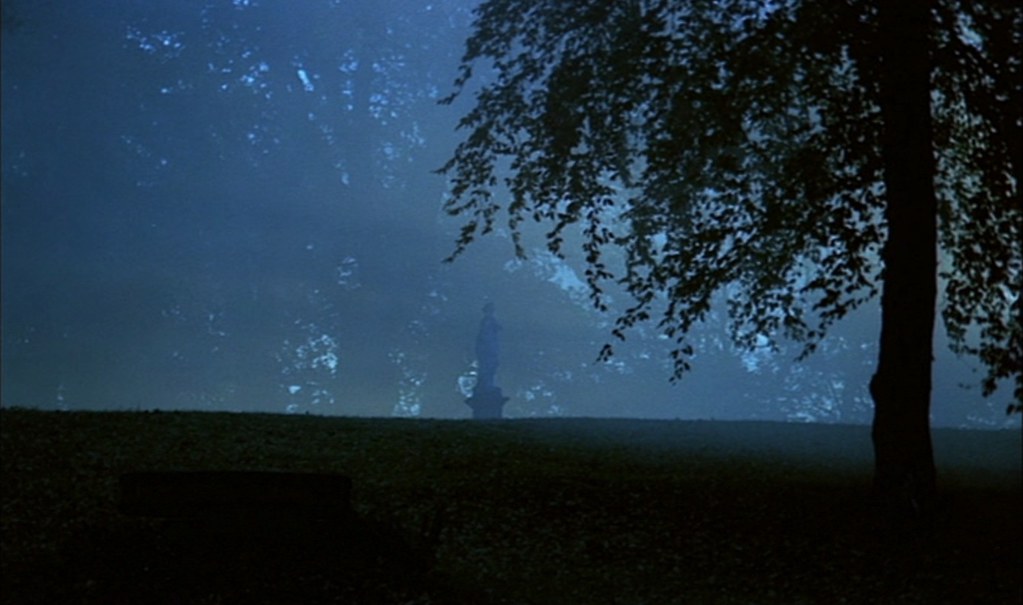
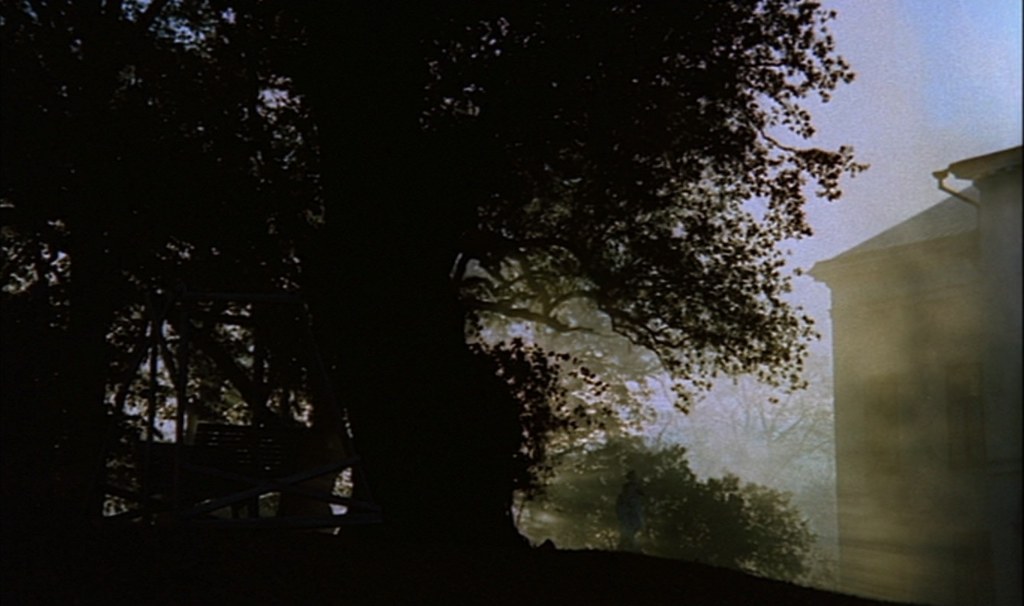
 (fade to red)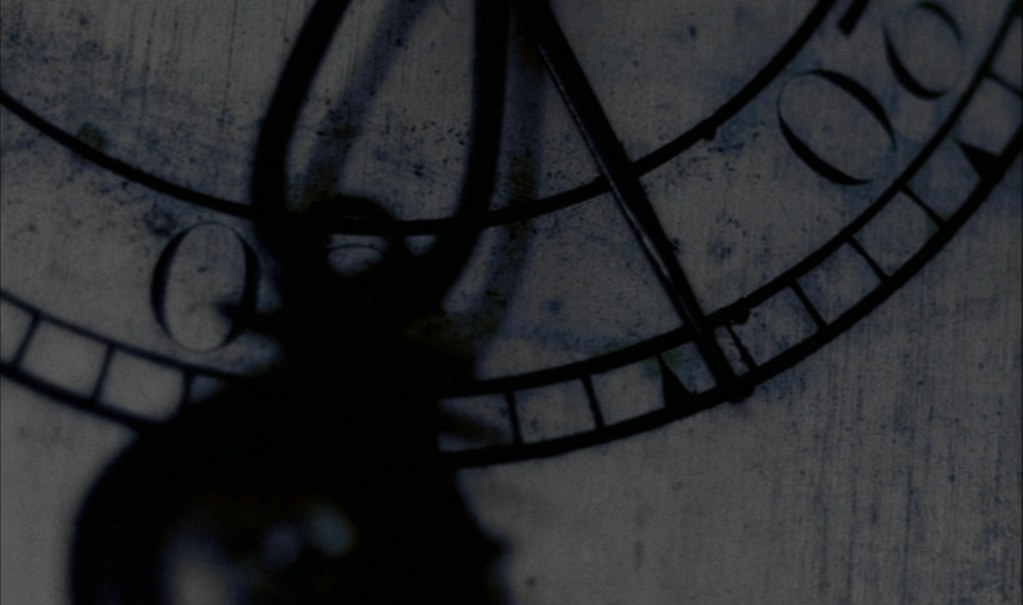

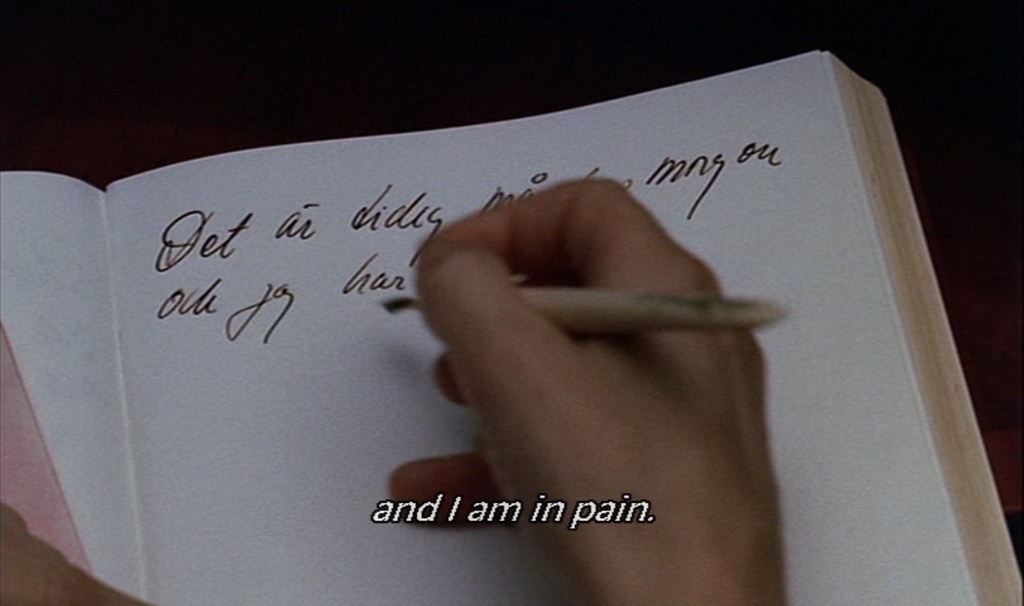 it is early in the morning and i am in pain
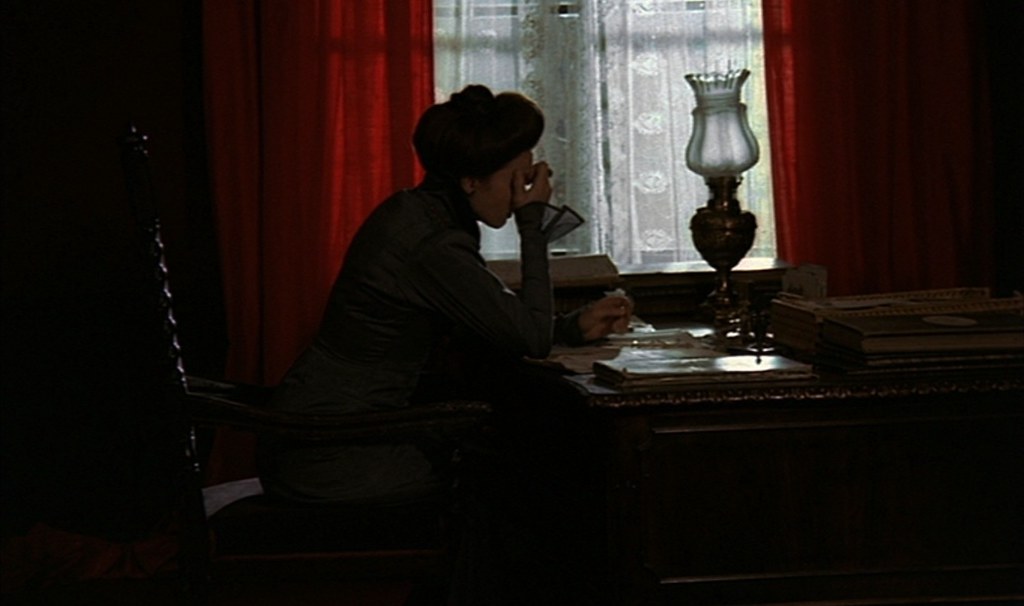
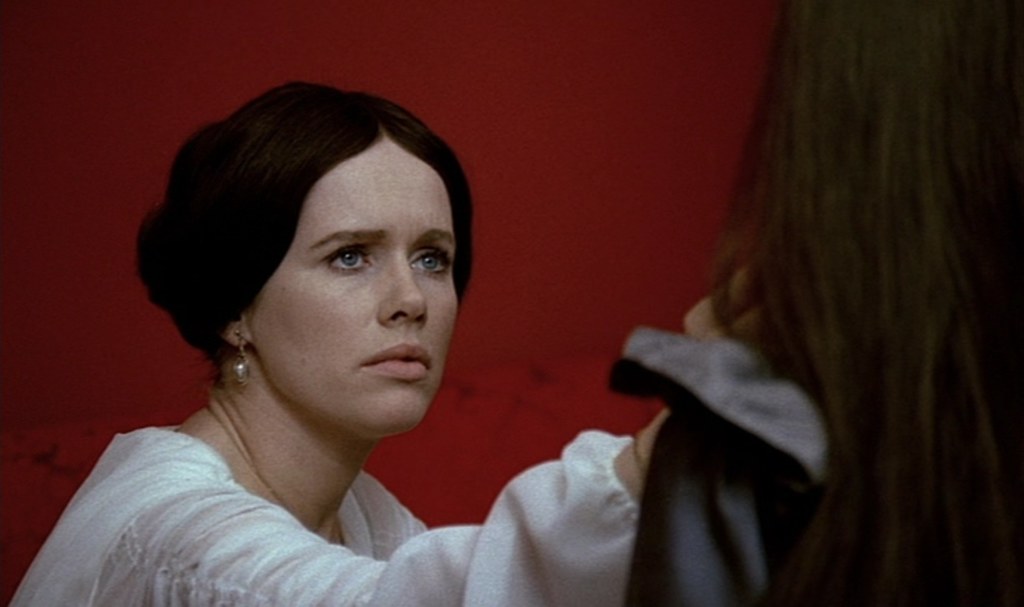

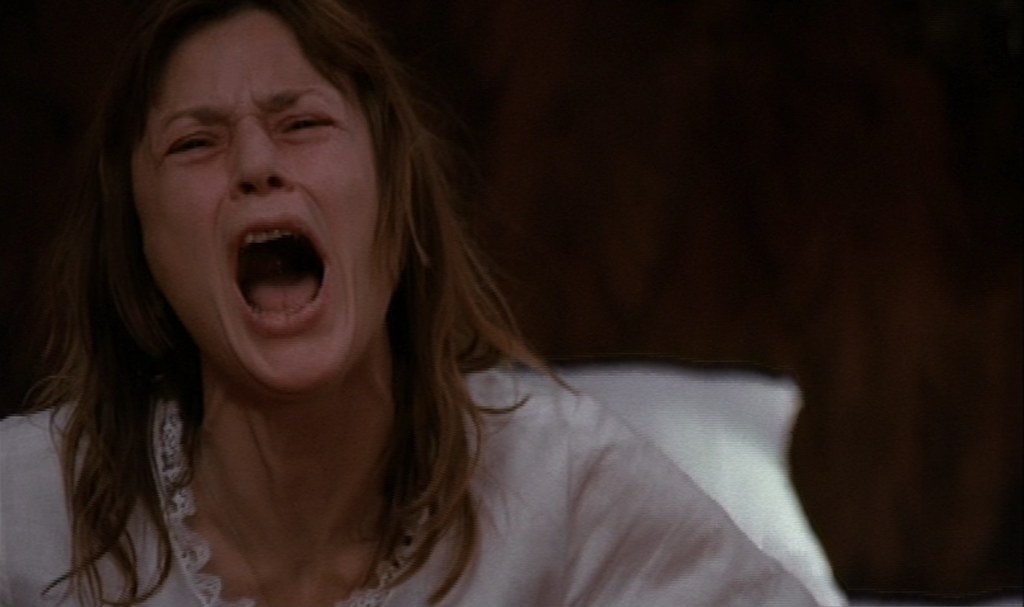

 (cinematography by sven nykvist)