stan brakhage
 -
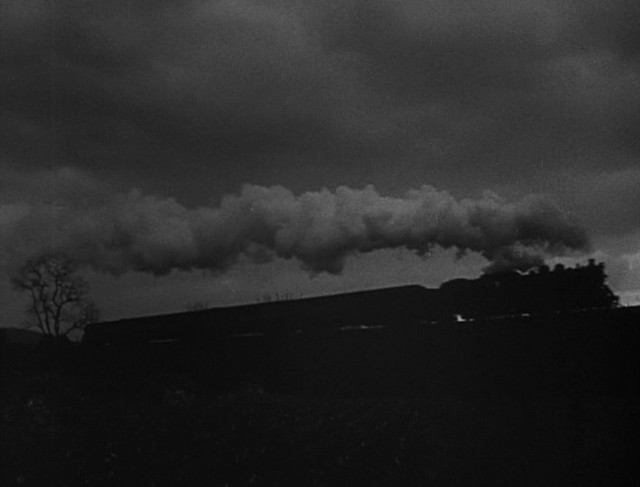
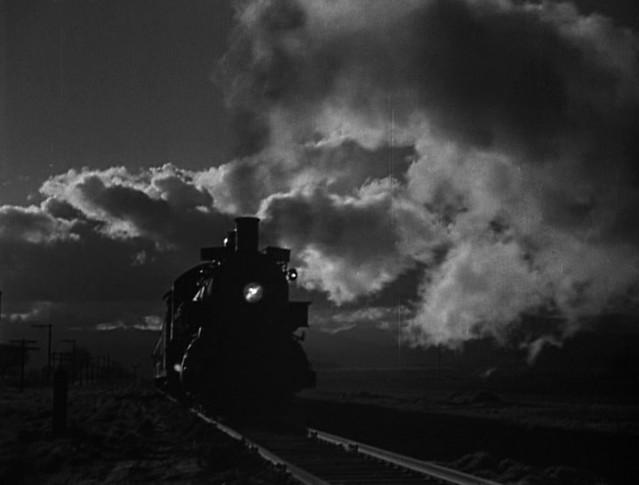
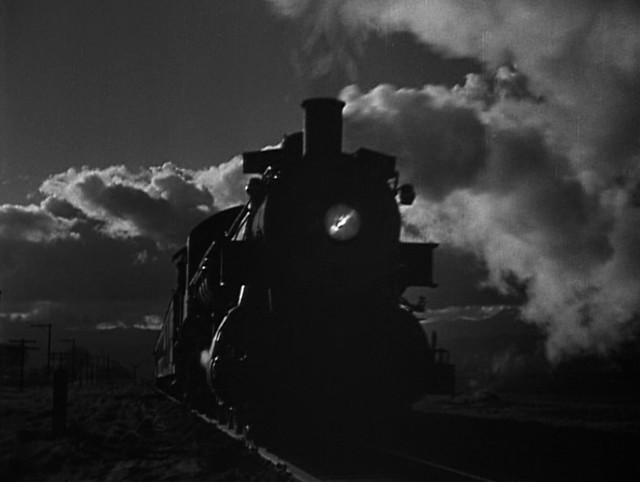
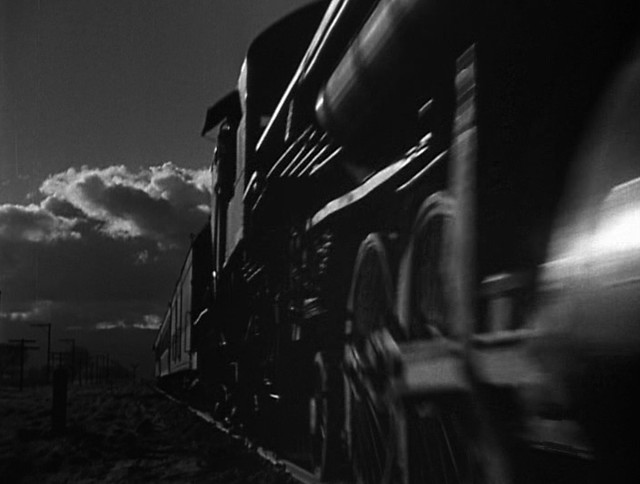
dog star man - 1964
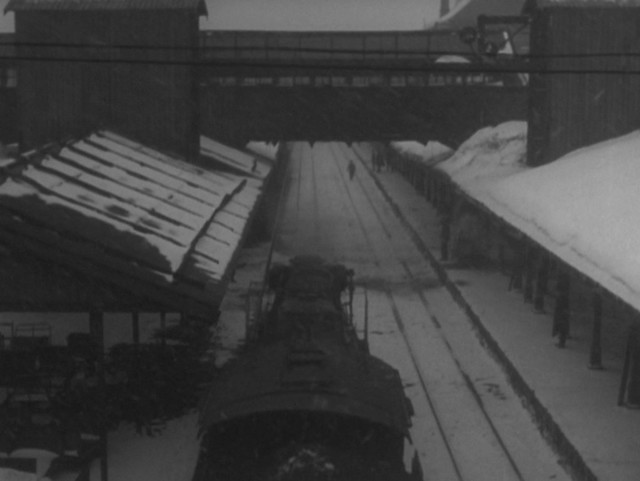
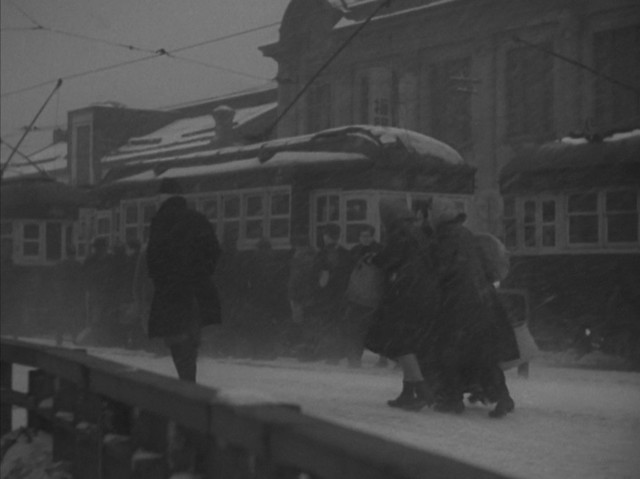
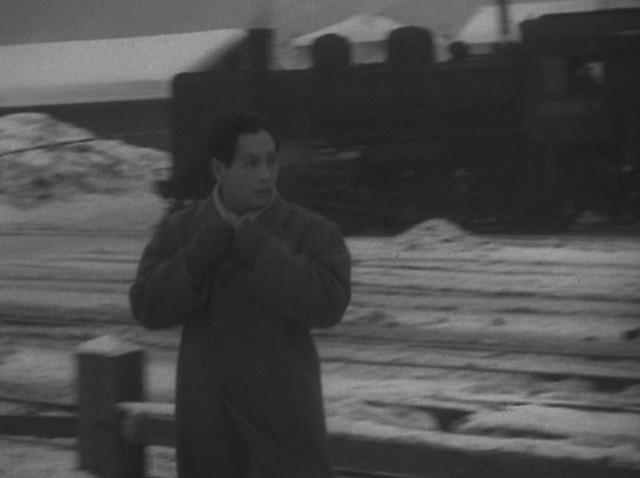
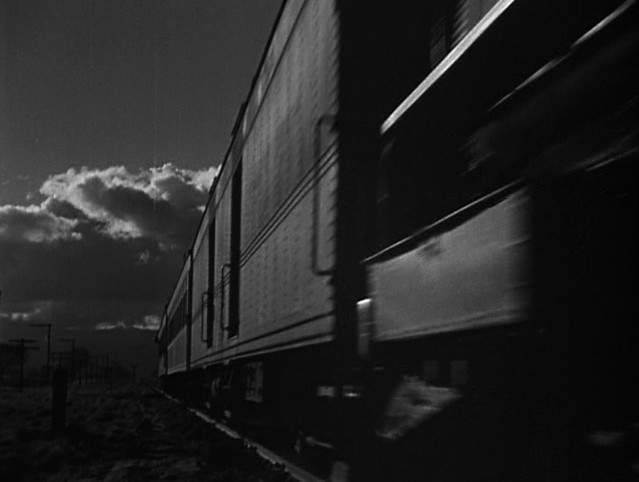
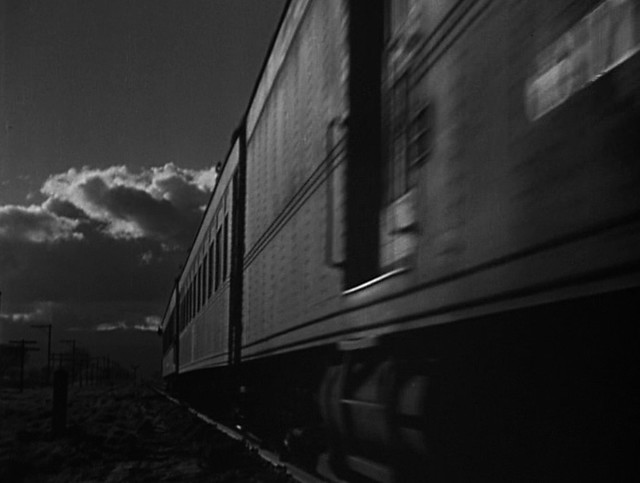
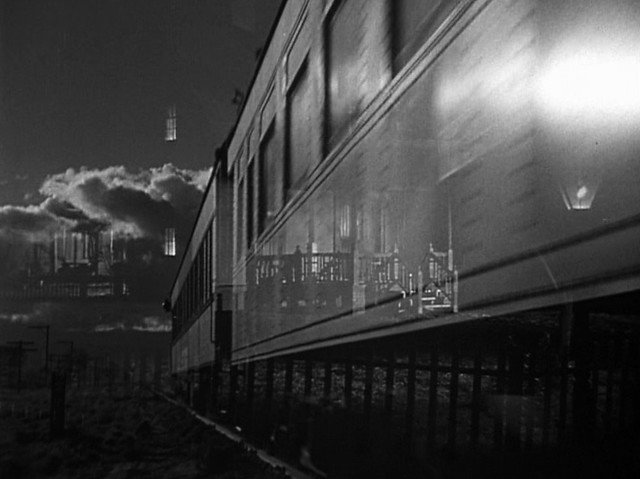
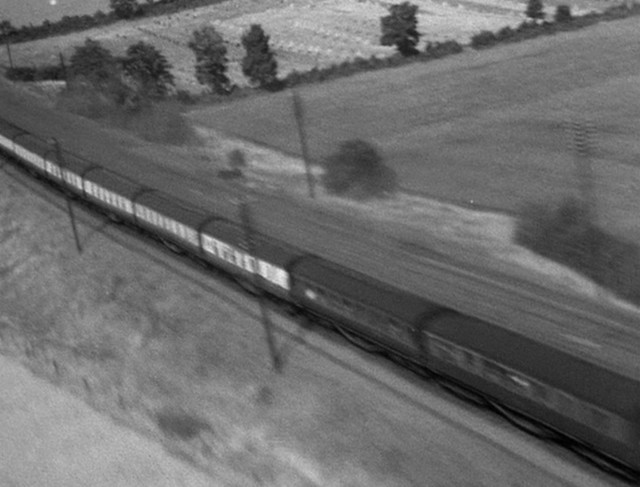
(representations of plato's cave)
"imagine mankind as dwelling in an underground cave with a long entrance open to the light across the whole width of the cave; in this they have been from childhood, with necks and legs fettered, so they have to stay where they are. they cannot move their heads round because of the fetters, and they can only look forward, but light comes to them from fire burning behind them higher up at a distance. between the fire and the prisoners is a road above their level, and along it imagine a low wall has been built, as puppet showmen have screens in front of their people over which they work their puppets."
"i see," he said.
"see, then, bearers carrying along this wall all sorts of articles which they hold projecting above the wall, statues of men and other living things, made of stone or wood and all kinds of stuff, some of the bearers speaking and some silent, as you might expect."
"what a remarkable image," he said, "and what remarkable prisoners!"
"just like ourselves," i said. "for, first of all, tell me this: what do you think such people would have seen of themselves and each other except their shadows, which the fire cast on the opposite wall of the cave?"
"i don't see how they could see anything else," said he, "if they were compelled to keep their heads unmoving all their lives!"
"very well, what of the things being carried along? would not this be the same?"
"of course it would."
"suppose the prisoners were able to talk together, don't you think that when they named the shadows which they saw passing they would believe they were naming things?"
"necessarily."
"then if their prison had an echo from the opposite wall, whenever one of the passing bearers uttered a sound, would they not suppose that the passing shadow must be making the sound? don't you think so?"
"indeed i do," he said.
"if so," said i, "such persons would certainly believe that there were no realities except those shadows of handmade things."
"so it must be," said he.
"now consider," said i, "what their release would be like, and their cure from these fetters and their folly; let us imagine whether it might naturally be something like this. one might be released, and compelled suddenly to stand up and turn his neck round, and to walk and look towards the firelight; all this would hurt him, and he would be too much dazzled to see distinctly those things whose shadows he had seen before. what do you think he would say, if someone told him that what he saw before was foolery, but now he saw more rightly, being a bit nearer reality and turned towards what was a little more real? what if he were shown each of the passing things, and compelled by questions to answer what each one was? don't you think he would be puzzled, and believe what he saw before was more true than what was shown to him now?"
"far more," he said.
"then suppose he were compelled to look towards the real light it would hurt his eyes, and he would escape by turning them away to the things which he was able to look at, and these he would believe to be clearer than what was being shown to him."
"just so," said he.
"suppose, now," said i, "that someone should drag him thence by force, up the rough ascent, the steep way up, and never stop until he could drag him out into the light of the sun, would he not be distressed and furious at being dragged; and when he came into the light, the brilliance would fill his eyes and he would not be able to see even one of the things now called real?"
"that he would not," said he, "all of a sudden."
"he would have to get used to it, surely, i think, if he is to see the things above. first he would most easily look at shadows, after that images of mankind and the rest in water, lastly the things themselves. after this he would find it easier to survey by night the heavens themselves and all that is in them, gazing at the light of the stars and moon, rather than by day the sun and the sun's light."
"of course."
"last of all, i suppose, the sun; he could look on the sun itself by itself in its own place, and see what it is like, not reflections of it in the water or as it appears in some alien setting."
"necessarily," said he.
"and only after all this he might reason about it, how this is he who provides seasons and years, and is set over all there is in the visible region, and he is in a manner the cause of all things which they saw"
"yes, it is clear," said he, "that after all that, he would come to this last."
w.h.d. rouse's translation of book VII from
plato's
the republic -
the great dialogues of plato - 1956
thanks for
robert motherwell and
steve anker for making more clear this invisible region
also of note -
stan brakhage's
visions in meditation #3: plato's cave
images found in: 23 minutes, 27 minutes, 47 minutes, 51 minutes, 58 minutes, 59 minutes, and last, 60 minutes


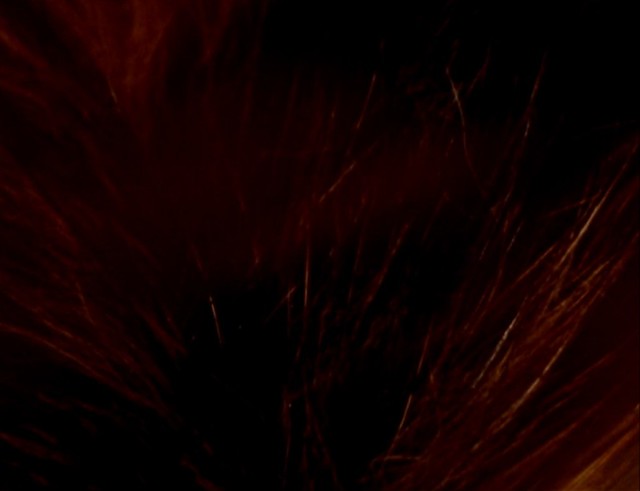
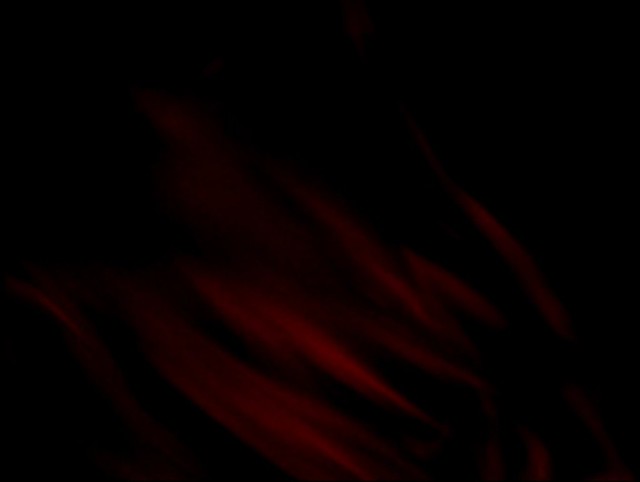
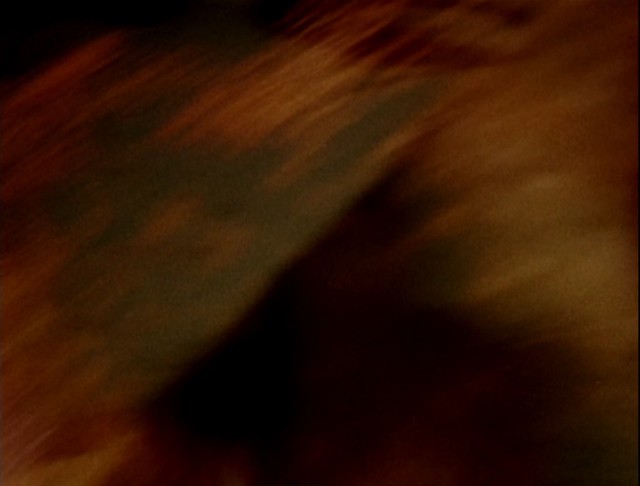 stan brakhage - prelude - dog star man - 1964
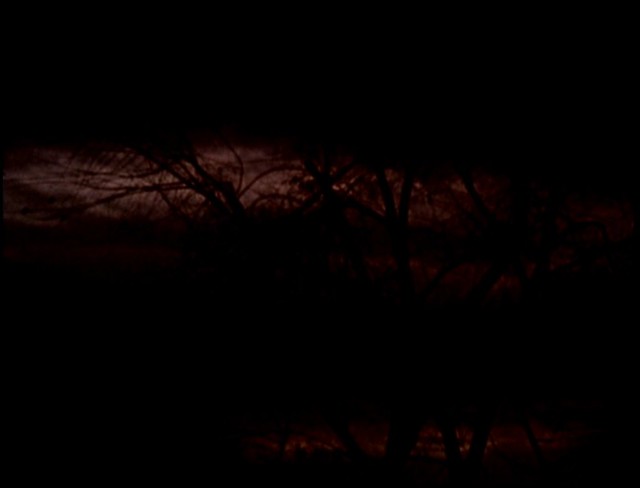
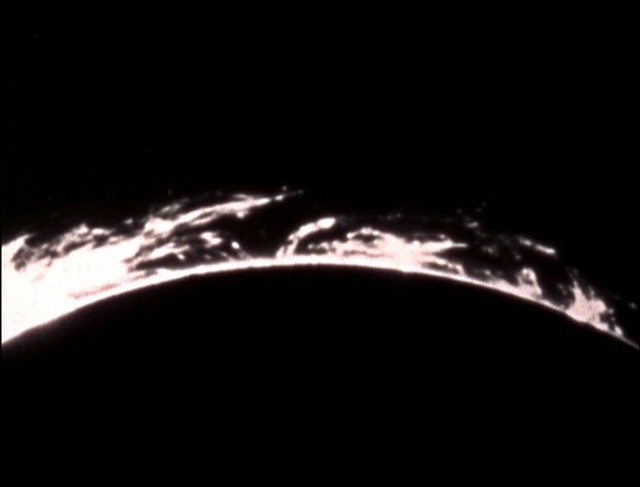

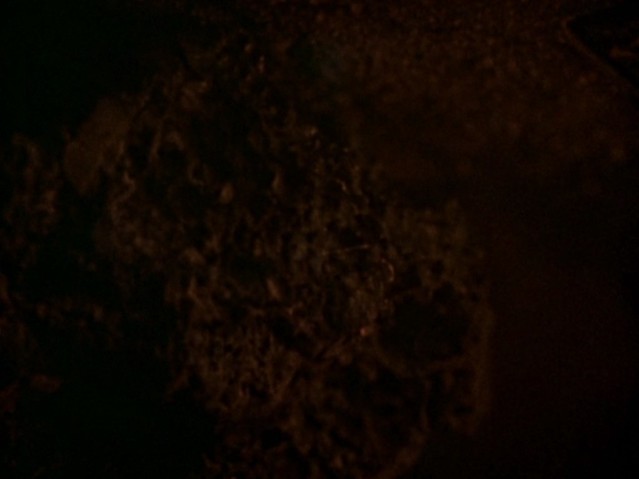 stan brakhage - dog star man - 1964
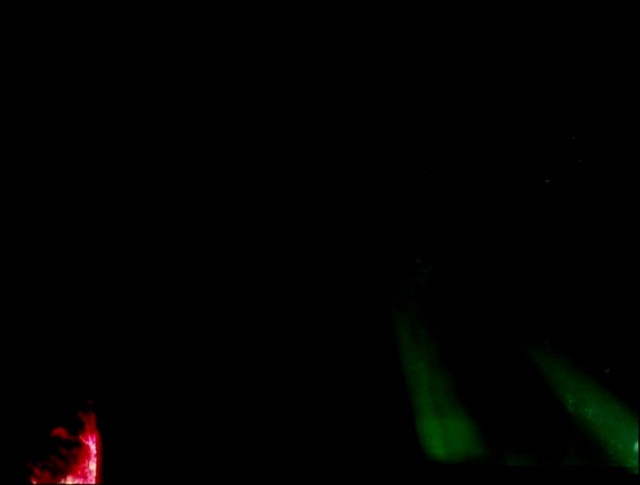
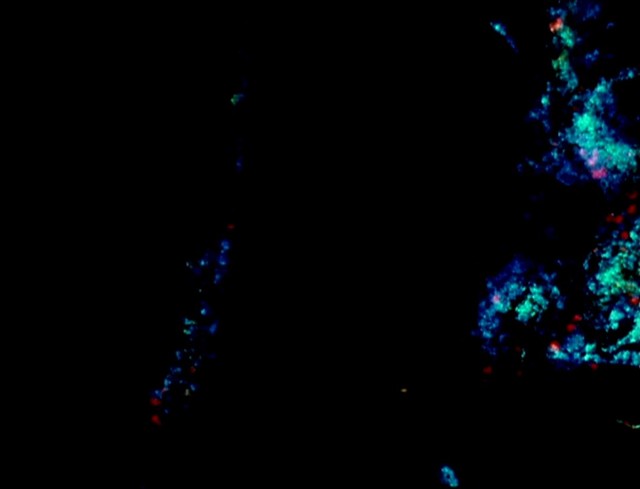
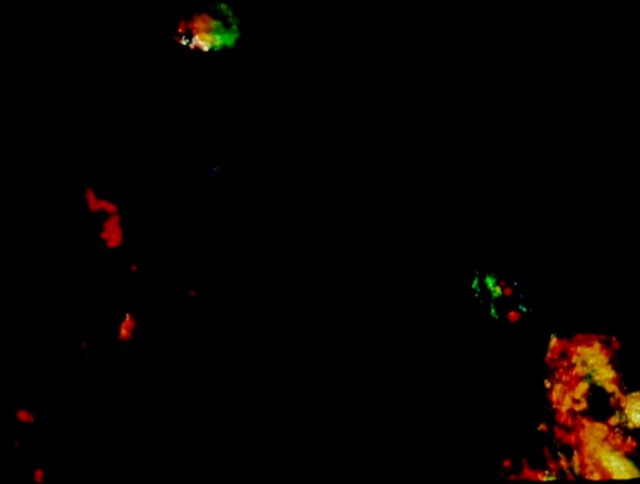
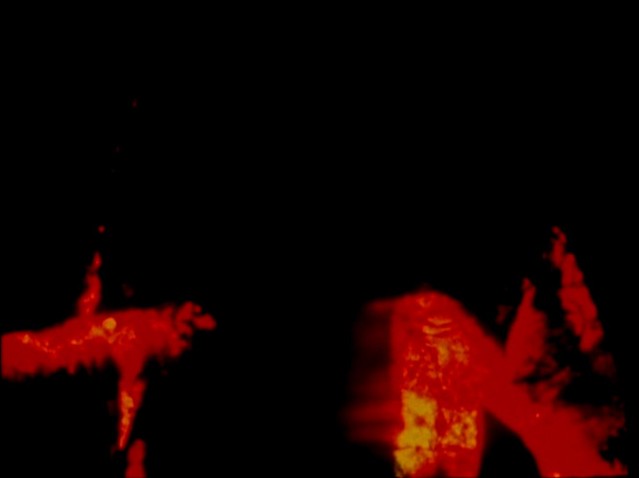
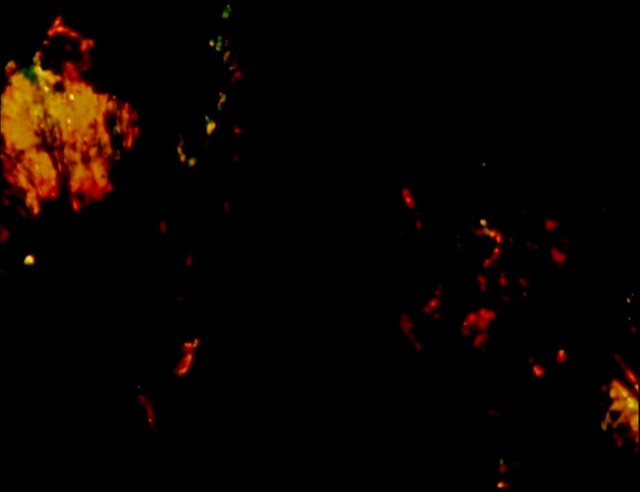

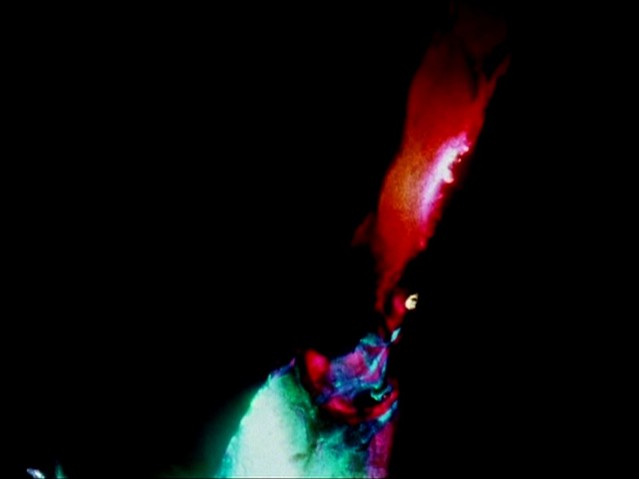
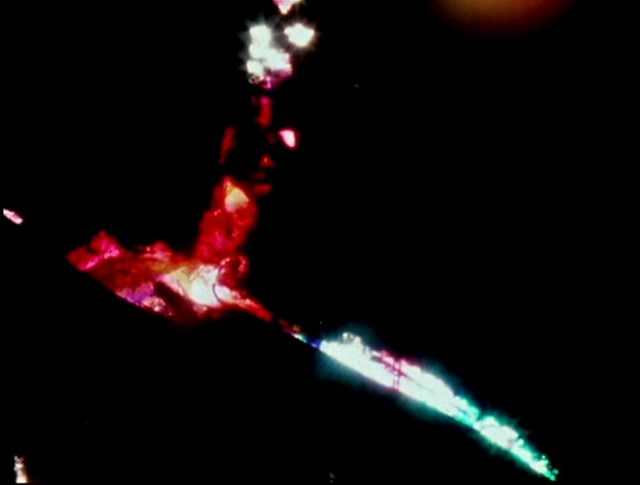

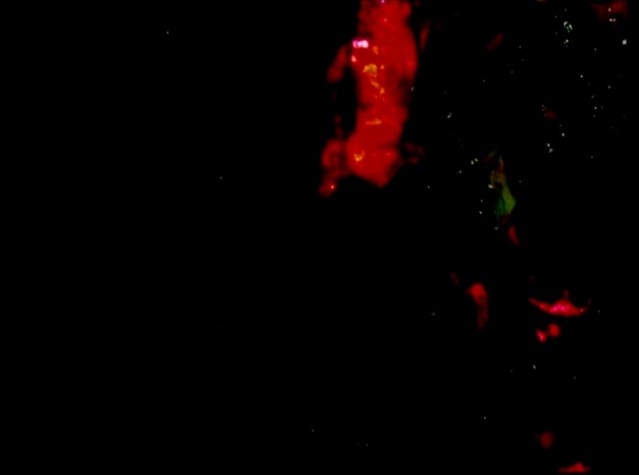
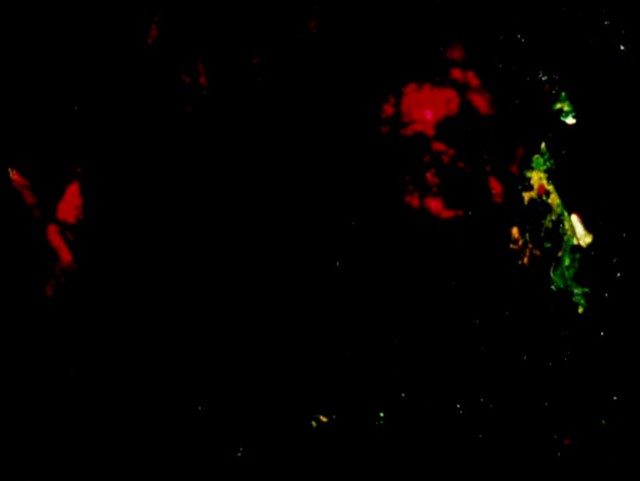
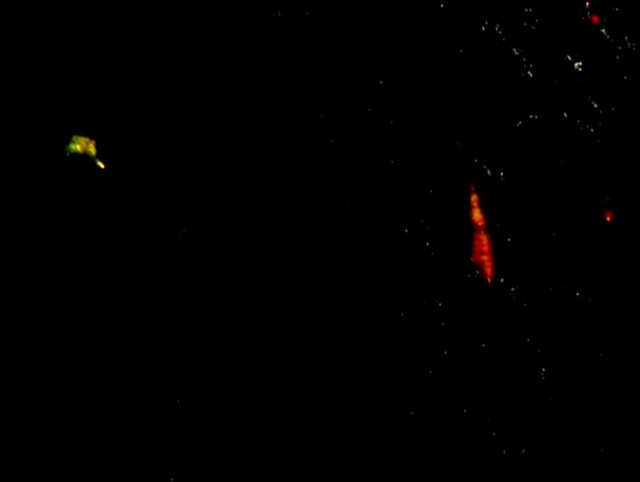
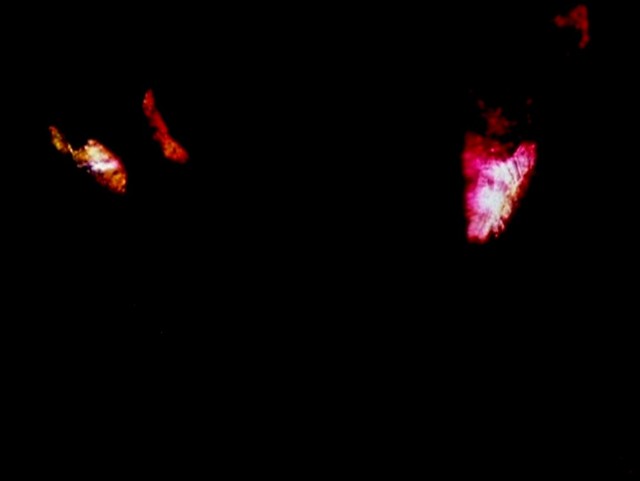
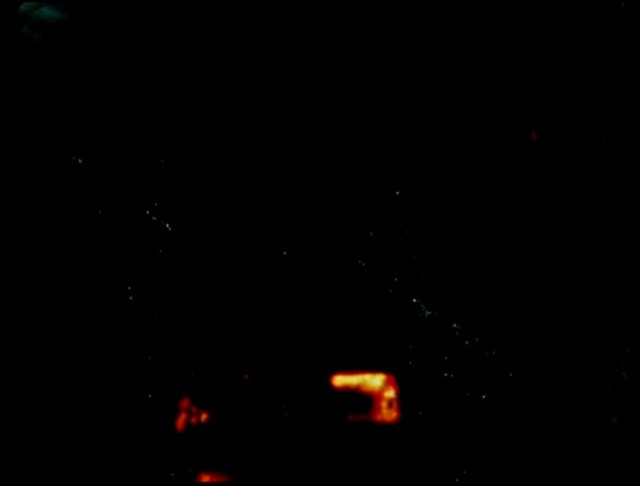
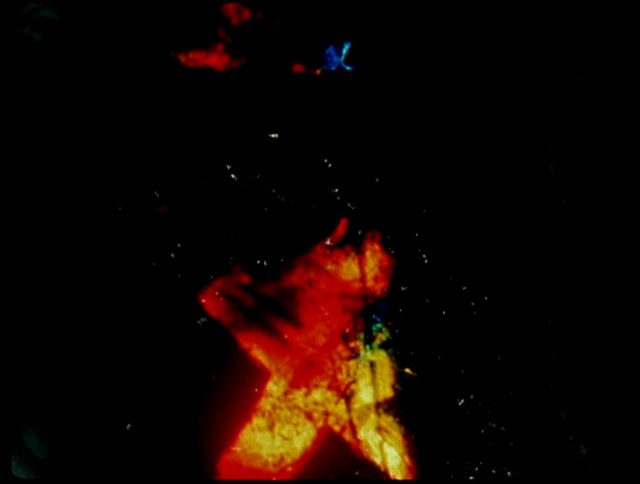 the blackest moments from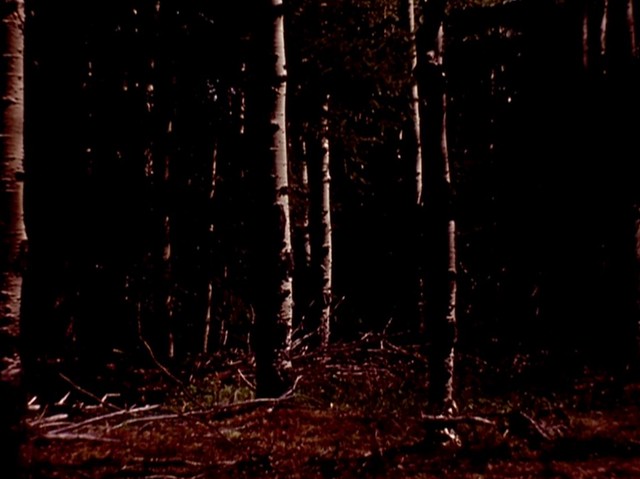


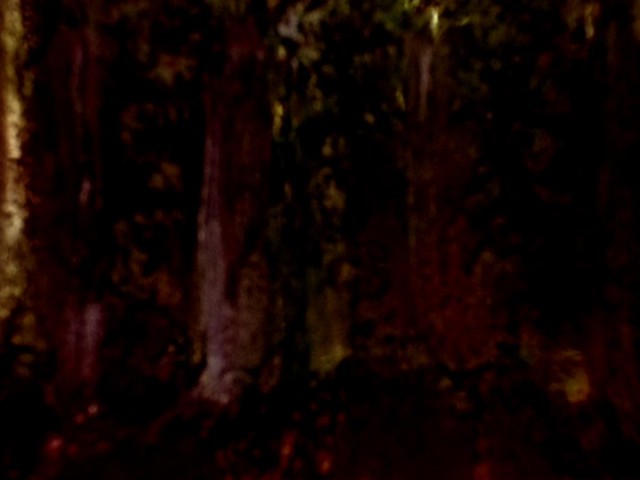
 stan brakhage - the wold shadow - 1972
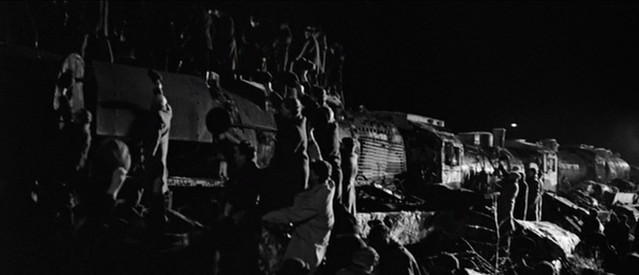
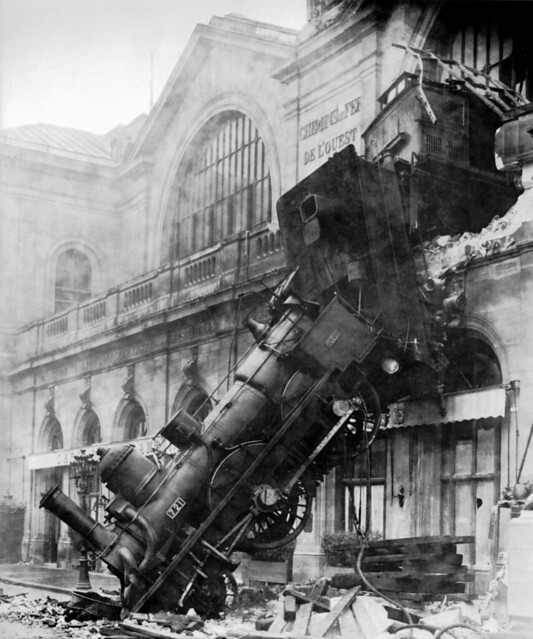 train wreck at montparnasse - 1895